
Sweet Fern
Comptonia peregrina asplenifolia
Educational content — not medical, botanical, or professional advice. Plant identification, safety, and edibility depend on local conditions, cultivars, and correct identification. Consult a qualified botanist or forager before consuming or handling wild specimens. How we source & review →
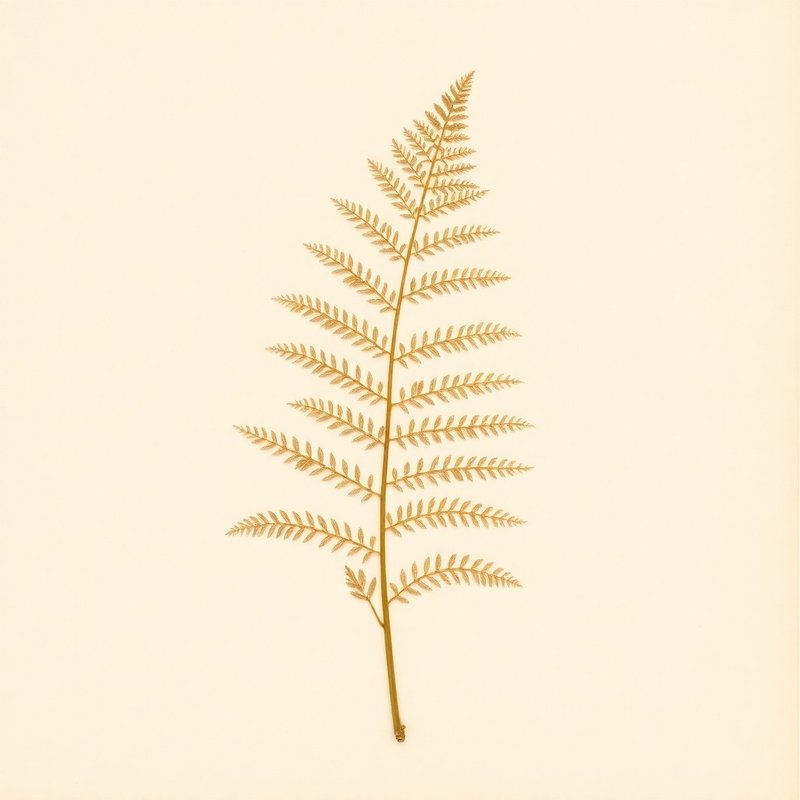
Pl. 044D — Comptonia peregrina asplenifolia
Comptonia peregrina asplenifoliaComptonia peregrina asplenifoliaComptonia peregrina asplenifoliaComptonia peregrina asplenifoliaComptonia peregrina asplenifoliaComptonia peregrina asplenifoliaComptonia peregrina asplenifoliaComptonia peregrina asplenifoliaComptonia peregrina asplenifoliaComptonia peregrina asplenifoliaComptonia peregrina asplenifoliaComptonia peregrina asplenifoliaComptonia peregrina asplenifoliaComptonia peregrina asplenifolia
IOverview
Overview
Sweet Fern, scientifically known as Comptonia peregrina asplenifolia, is a deciduous shrub native to the northeastern and southeastern United States. It thrives in light to partial shade and prefers dry to moist soil conditions, making it adaptable to various environments within its native range from Connecticut to Georgia. Known for its edible fruit, this plant can be found in areas with well-drained soils such as sandy or loamy grounds. Its distinctive feature lies in the aromatic leaves that emit a sweet scent when crushed, earning it its common name. Sweet Fern is hardy in zones 4-8 and reaches a height of about 1.2 meters, making it suitable for ornamental purposes while also providing a food source for wildlife.
Quick answers
What is Sweet Fern?
Sweet Fern, scientifically known as Comptonia peregrina asplenifolia, is a deciduous shrub native to the northeastern and southeastern United States.
Growingconditions · propagation · uses
VCultivation
Cultivation
Sweet Fern thrives in full to partial sun and prefers well-drained, light or medium soil that is moist but not overly wet. It is hardy in zones 4-8 and can grow up to 1.2 meters tall. To propagate, use cuttings or division. While it grows best in dry conditions, it will also tolerate moisture. Harvest the fruit for edible uses.
Light
Full sun, Partial sun/shade
Water
Dry, Moist
Soil
Light (sandy), Medium
Hardiness
4-8
Mature size
1.2 m tall
For first-time growers
How to grow Sweet Fern for the first time
8steps
Sweet Fern is a low-maintenance plant perfect for beginners looking to add an aromatic shrub to their garden.
- 1
What you'll need
A Sweet Fern plant, gardening gloves, and a trowel.
- 2
Best time to plant
Plant in spring or early fall when the weather is cooler.
- 3
Soil and container prep
Use well-draining soil with a pH between 5.0 and 6.5, ensuring it's light (sandy) or medium.
- 4
Sowing or transplanting
Transplant young plants from the nursery into your garden or a large container.
- 5
First two weeks
Water regularly to help establish roots, then reduce watering as it becomes more established.
- 6
Ongoing care
Provide full sun to partial shade and avoid overwatering. Prune lightly in late winter or early spring.
- 7
Harvest or pruning
Prune in late winter or early spring to maintain shape and encourage new growth.
- 8
Common mistakes
Overwatering, planting in heavy soil, and not providing enough sunlight are common issues beginners should avoid.
VIEdible & utility
Edible & utility
Edible parts:Fruit
Edible uses: Condiment, Tea
Other uses:FragrancePackingPest controlNitrogen fixer
Contextrange · companions · related
VIIDistribution
29 native · 0 introduced
Distribution
29 native · 0 introducedDistribution across1 continent· 29 native
Asia1 region
native (1)Georgia
Broader regions
native:Connecticut, Delaware, Illinois, Kentucky, Maine, Masachusettes, Michigan, Minnesota, New Brunswick, New Hampshire, New Jersey, New York, North Carolina, Nova Scotia, Ohio, Ontario, Pennsylvania, Prince Edward I., Québec, Rhode I., South Carolina, Tennessee, Vermont, Virginia, West Virginia, Wisconsin, Indiana, Maryland
IXSpecimen gallery
1 image
Specimen gallery
1 imageXI
Explore further
Companion planting
Growing zone
XII
About this entry
- Last updated
- Citation
- How to cite this entry · Submit a correction
Back to the cataloguePlant id · 044d440e-1e57-48df-b999-46c773f73dfa
Decision aid
Choosing between Sweet Fern and something else?
Continue reading
❦❦❦❦
Endpaper · archive updates
Get archive updates
Occasional email when substantial new content lands — plant profiles, seasonal growing notes, folk-remedy additions. Free, no tracking, unsubscribe anytime.