
Conanthera bifolia
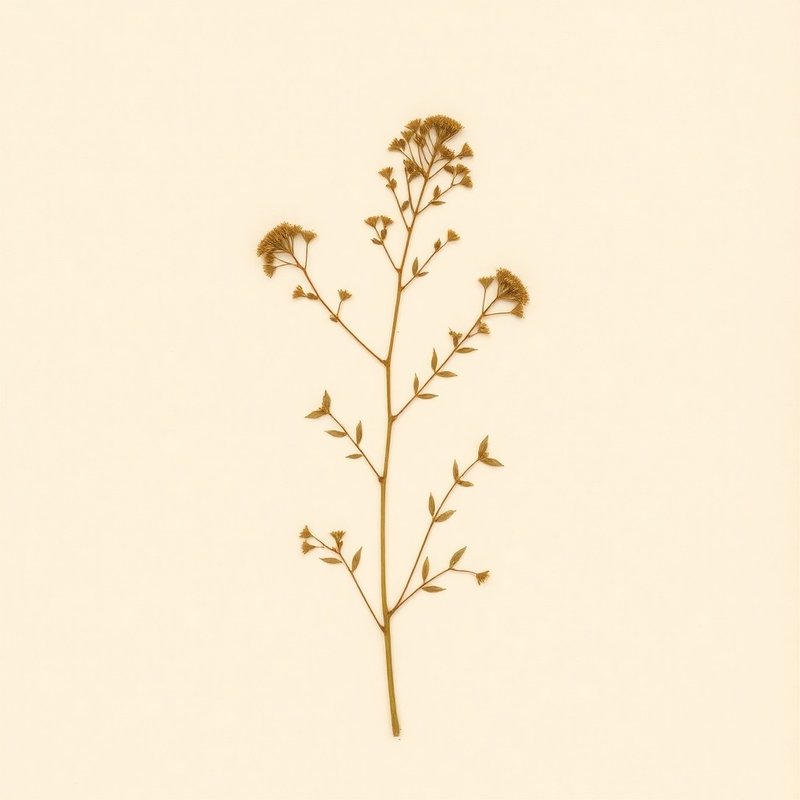
IOverview
Overview
Conanthera bifolia, known simply as Skip in common parlance, is a member of the Bromeliaceae family and thrives in the Central region of Chile. This plant is valued for its edible roots, making it a useful addition to gardens or landscapes where its light-loving nature and moisture requirements can be met. With a height of 0.5 meters and a preference for full sun, Skip prefers well-drained soil that is either light (sandy) or medium in texture. Hardy from zones 8-11, this plant is not only ornamental but also serves as a source of sustenance, making it a versatile choice for gardeners interested in both aesthetics and edibility.
What is Conanthera bifolia?
Conanthera bifolia, known simply as Skip in common parlance, is a member of the Bromeliaceae family and thrives in the Central region of Chile. This plant is valued for its edible roots, making it a useful addition to gardens or landscapes where its light-loving nature and moisture requirements can be met.
VCultivation
Cultivation
How to grow Conanthera bifolia for the first time
Start with Conanthera bifolia by planting it in a sunny spot and following these simple steps.
- 1
What you'll need
Seeds or small plants, potting soil, containers, water.
- 2
Best time to plant
Plant Conanthera bifolia during spring when the weather is warming up.
- 3
Soil and container prep
Use a light, well-draining soil mix in containers with drainage holes.
- 4
Sowing or transplanting
Direct sow seeds outdoors after all danger of frost has passed, or start them indoors 4-6 weeks before planting out.
- 5
First two weeks
Keep the soil consistently moist and place in a sunny location to encourage healthy growth.
- 6
Ongoing care
Water regularly to maintain moisture but avoid overwatering. Provide full sun exposure.
- 7
Harvest or pruning
Prune lightly if needed for shape, but wait until the plant is established before harvesting roots.
- 8
Common mistakes
Overwatering, planting in heavy soil, neglecting to provide enough sunlight.
VIEdible & utility
Edible & utility
VIIDistribution
1 native · 0 introduced
Distribution
1 native · 0 introducedIXSpecimen gallery
1 image
Specimen gallery
1 imageExplore further
About this entry
- Last updated
- Citation
- How to cite this entry · Submit a correction
Continue reading
Get archive updates
Occasional email when substantial new content lands — plant profiles, seasonal growing notes, folk-remedy additions. Free, no tracking, unsubscribe anytime.