
Coprosma virescens
IOverview
Overview
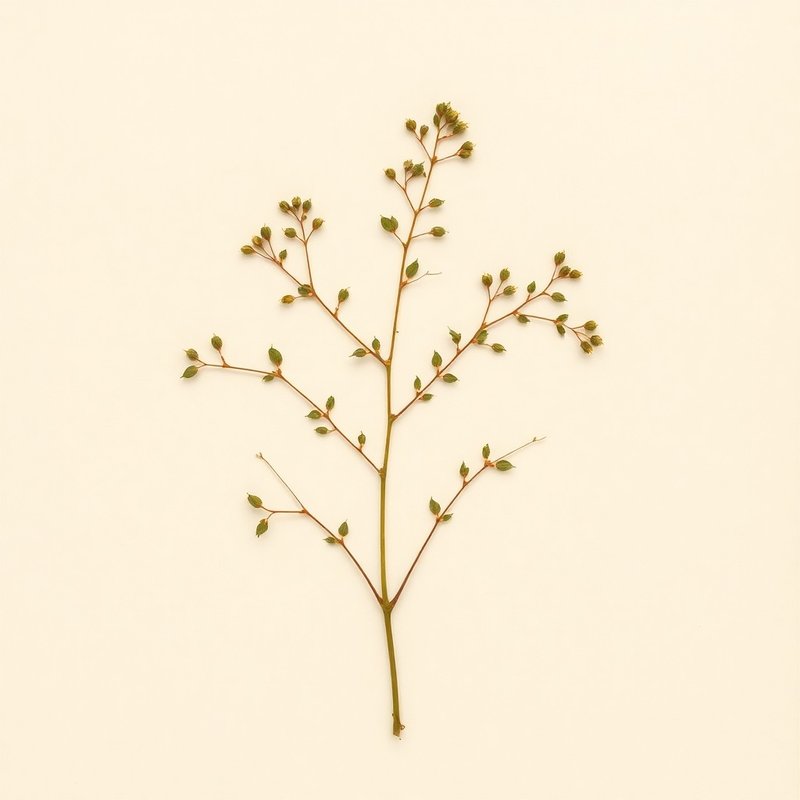
Coprosma virescens, commonly known as the New Zealand native plant, is an evergreen shrub that thrives in the forests and coastal areas of both the North and South Islands of New Zealand. This plant is well-suited to full sun or partial shade and prefers moist, light (sandy) to medium soil conditions. Hardy from zones 7-10, it can grow up to 2 meters tall. While primarily known for its ornamental value, the plant also offers edible fruit that can be enjoyed, making it a versatile addition to gardens and landscapes. Its distinctive feature lies in its adaptability to various environmental conditions and its role as a native species in New Zealand's ecosystem. For optimal growth, ensure the soil remains consistently moist but well-draining. Propagation can be done through cuttings. The fruit of Coprosma virescens can be used to make a coffee-like beverage, adding a unique flavor to your morning routine.
What is Coprosma virescens?
Coprosma virescens, commonly known as the New Zealand native plant, is an evergreen shrub that thrives in the forests and coastal areas of both the North and South Islands of New Zealand. This plant is well-suited to full sun or partial shade and prefers moist, light (sandy) to medium soil conditions.
VCultivation
Cultivation
How to grow Coprosma virescens for the first time
Start with planting Coprosma virescens in a sunny spot and follow these beginner-friendly steps.
- 1
What you'll need
Coprosma virescens plants, well-draining soil, water can, mulch.
- 2
Best time to plant
Plant in spring or autumn when the weather is mild.
- 3
Soil and container prep
Use light, sandy or medium soil. Ensure good drainage for containers.
- 4
Sowing or transplanting
Transplant young plants from a nursery or divide mature plants in spring.
- 5
First two weeks
Water regularly to keep the soil moist but not waterlogged. Mulch around the base.
- 6
Ongoing care
Provide full sun to partial shade, and water when the top inch of soil feels dry.
- 7
Harvest or pruning
Prune in late winter to maintain shape and remove any dead or damaged branches.
- 8
Common mistakes
Overwatering, planting in heavy soil, neglecting to prune regularly.
VIEdible & utility
Edible & utility
VIIDistribution
2 native · 0 introduced
Distribution
2 native · 0 introducedIXSpecimen gallery
1 image
Specimen gallery
1 imageExplore further
About this entry
- Last updated
- Citation
- How to cite this entry · Submit a correction
Continue reading
Get archive updates
Occasional email when substantial new content lands — plant profiles, seasonal growing notes, folk-remedy additions. Free, no tracking, unsubscribe anytime.