
Jute
Corchorus capsularis
Educational content — not medical, botanical, or professional advice. Plant identification, safety, and edibility depend on local conditions, cultivars, and correct identification. Consult a qualified botanist or forager before consuming or handling wild specimens. How we source & review →
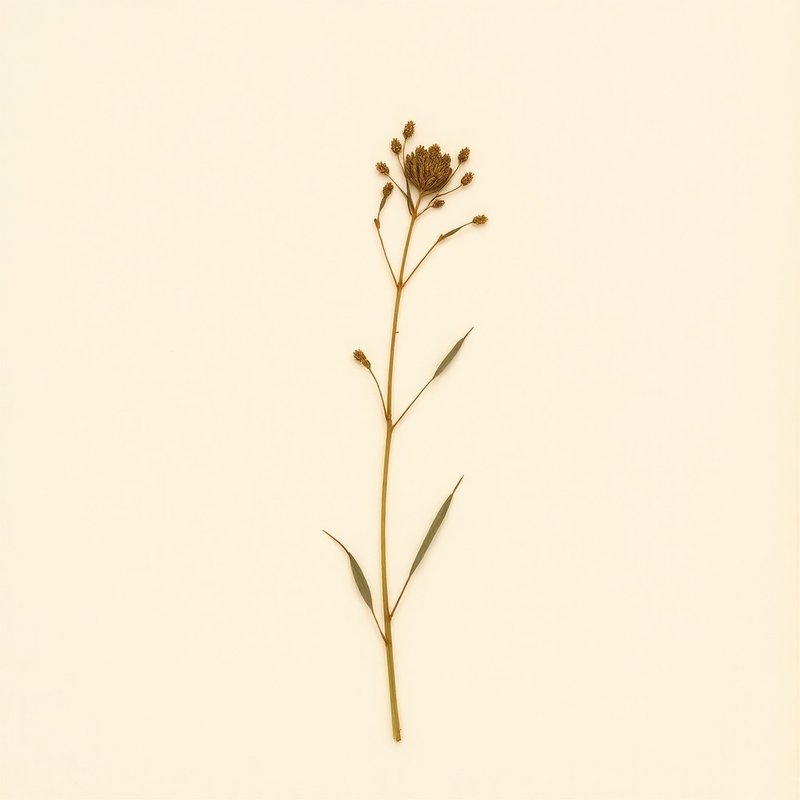
Pl. D4A4 — Corchorus capsularis
Corchorus capsularisCorchorus capsularisCorchorus capsularisCorchorus capsularisCorchorus capsularisCorchorus capsularisCorchorus capsularisCorchorus capsularisCorchorus capsularisCorchorus capsularisCorchorus capsularisCorchorus capsularisCorchorus capsularisCorchorus capsularis
IOverview
Overview
Jute (Corchorus capsularis) is a versatile plant native to regions including Assam, Bangladesh, and various parts of India. It thrives in full sun and moist soil, adapting well to light, medium, or heavy clay soils. Known for its edible leaves and seeds, jute can grow up to 3.5 meters tall and is both an annual and perennial plant. Its native range extends across East Himalaya, China Southeast, and other South Asian countries, making it a significant agricultural crop in these regions. One distinctive feature of jute is its ability to grow in diverse environments, contributing to its widespread cultivation for textile fibers as well as food.
Quick answers
What is Jute?
Jute (Corchorus capsularis) is a versatile plant native to regions including Assam, Bangladesh, and various parts of India. It thrives in full sun and moist soil, adapting well to light, medium, or heavy clay soils. Known for its edible leaves and seeds, jute can grow up to 3.
Growingconditions · propagation · uses
VCultivation
Cultivation
Jute thrives in full sun and prefers moist soil that is light (sandy), medium, or heavy (clay). It grows well in zones 9-11 and can be either an annual or perennial. Jute reaches a height of about 3.5 meters and should be planted in areas with a native range including Assam, Bangladesh, China, India, Laccadive Islands, Myanmar, Nepal, Pakistan, Sri Lanka, Taiwan, and Thailand. For propagation, seeds are commonly used. Ensure the soil remains consistently moist but avoid overwatering to prevent root rot.
Light
Full sun
Water
Moist
Soil
Light (sandy), Medium, Heavy (clay)
Hardiness
9-11
Life cycle
Annual, Perennial
Mature size
3.5 m tall
For first-time growers
How to grow Jute for the first time
8steps
Start with jute as an annual in your garden for a simple and rewarding experience.
- 1
What you'll need
Seeds, a trowel, a watering can or hose.
- 2
Best time to plant
Plant seeds outdoors after the last frost, when soil temperatures are warm.
- 3
Soil and container prep
Choose a location with full sun. Prepare loose, well-draining soil rich in organic matter.
- 4
Sowing or transplanting
Direct sow seeds 1-2 cm deep, spacing them about 30 cm apart. Thin seedlings to 60 cm apart as they grow.
- 5
First two weeks
Keep the soil consistently moist and provide light shade if temperatures are very high.
- 6
Ongoing care
Water regularly, especially during dry spells. Mulch around plants to retain moisture and suppress weeds.
- 7
Harvest or pruning
Prune any dead or yellowing leaves to encourage new growth. Harvest seed pods when they turn brown.
- 8
Common mistakes
Overwatering, planting in heavy clay soil, not providing enough sunlight, neglecting to prune.
VIEdible & utility
Edible & utility
Edible parts:LeavesSeed
Edible uses: Tea
Other uses:FibertextilesLumber
Contextrange · companions · related
VIIDistribution
16 native · 14 introduced
Distribution
16 native · 14 introducedDistribution across3 continents· 16 native· 14 introduced
Asia16 regions
native (11)BangladeshChinaIndiaLaosMaldivesMyanmarNepalPakistanSri LankaTaiwanThailand
introduced (5)CambodiaPhilippinesSouth KoreaUzbekistanVietnam
Americas2 regions
introduced (2)CubaPuerto Rico
Africa1 region
introduced (1)Tanzania
Broader regions
native:East Himalaya, Laccadive Is.
introduced:Northern Territory, Panamá, Réunion, Windward Is., Andaman Is., Brazil Southeast
IXSpecimen gallery
1 image
Specimen gallery
1 imageXI
Explore further
Companion planting
Growing zone
XII
About this entry
- Last updated
- Citation
- How to cite this entry · Submit a correction
Back to the cataloguePlant id · d4a463c7-2e8b-4366-9a4a-0da5a90cf49c
Decision aid
Choosing between Jute and something else?
Continue reading
❦❦❦❦
Endpaper · archive updates
Get archive updates
Occasional email when substantial new content lands — plant profiles, seasonal growing notes, folk-remedy additions. Free, no tracking, unsubscribe anytime.