
Bentham's Cornel
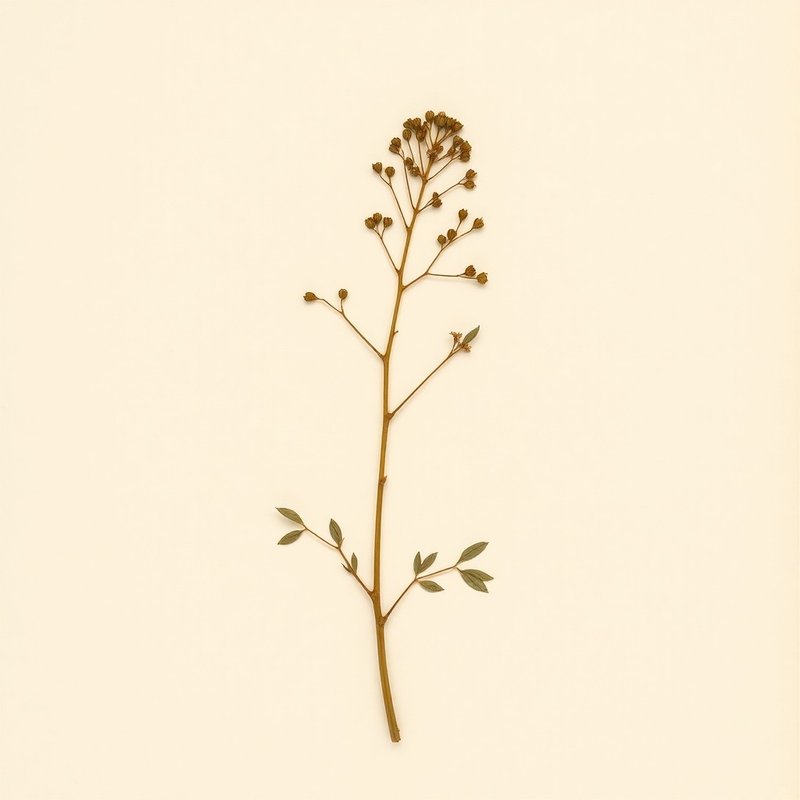
IOverview
Overview
Bentham's Cornel (Cornus capitata) is a small tree in the dogwood family, Cornaceae, capable of reaching about 12 metres in height. It is native to the eastern Himalayas and neighbouring parts of Southeast Asia, with a range that includes Assam, Nepal, Pakistan, Tibet, the East and West Himalaya, China South-Central and China Southeast, Laos, Myanmar, and Vietnam. It has also been introduced to both the North and South Islands of New Zealand. In the wild it grows at a medium rate and is not notably drought resistant, favouring moist sites. It accepts light sandy, medium, and heavy clay soils and will grow in full sun or partial shade, with hardiness reported for zones 7 to 10. The fruit is the edible part of the plant and can be eaten fresh or dried for later use; no other part is recorded as edible here. Beyond its fruit, the tree has practical uses: it is a source of tannin and lumber, and its wood serves as a fire starter. In cultivation it is commonly raised from seed or cuttings and is grown primarily for its fruit as the main harvestable crop. As this profile covers a species many readers will not know, any use of the fruit or other material should rest on confident identification and sound local guidance rather than assumption.
What is Bentham's Cornel?
Bentham's Cornel (Cornus capitata) is a small tree in the dogwood family, Cornaceae, capable of reaching about 12 metres in height.
VCultivation
Cultivation
How to grow Bentham's Cornel for the first time
Start with planting Bentham's Cornel in a sunny spot and follow these beginner-friendly steps.
- 1
What you'll need
Bentham's Cornel saplings, garden gloves, spade or trowel.
- 2
Best time to plant
Plant Bentham's Cornel in spring or early fall when the weather is mild.
- 3
Soil and container prep
Ensure soil is well-draining with a pH between 5.5 and 7.0; amend as needed.
- 4
Sowing or transplanting
Transplant saplings into prepared soil, ensuring the root ball is level.
- 5
First two weeks
Water regularly to keep the soil moist but not waterlogged; mulch around the base.
- 6
Ongoing care
Provide full sun or partial shade and regular watering. Prune lightly in late winter.
- 7
Harvest or pruning
Prune in late winter to maintain shape and remove dead branches; harvest fruit when ripe.
- 8
Common mistakes
Overwatering, planting in heavy clay soil, neglecting winter protection, not providing enough sunlight.
VIEdible & utility
Edible & utility
VIIDistribution
11 native · 2 introduced
Distribution
11 native · 2 introducedIXSpecimen gallery
1 image
Specimen gallery
1 imageExplore further
About this entry
- Last updated
- Citation
- How to cite this entry · Submit a correction
Continue reading
Get archive updates
Occasional email when substantial new content lands — plant profiles, seasonal growing notes, folk-remedy additions. Free, no tracking, unsubscribe anytime.