
Strapwort
Corrigiola littoralis
Educational content — not medical, botanical, or professional advice. Always consult a qualified clinician before using any herbal preparation — especially during pregnancy, breastfeeding, while on medication, or for children. How we source & review →
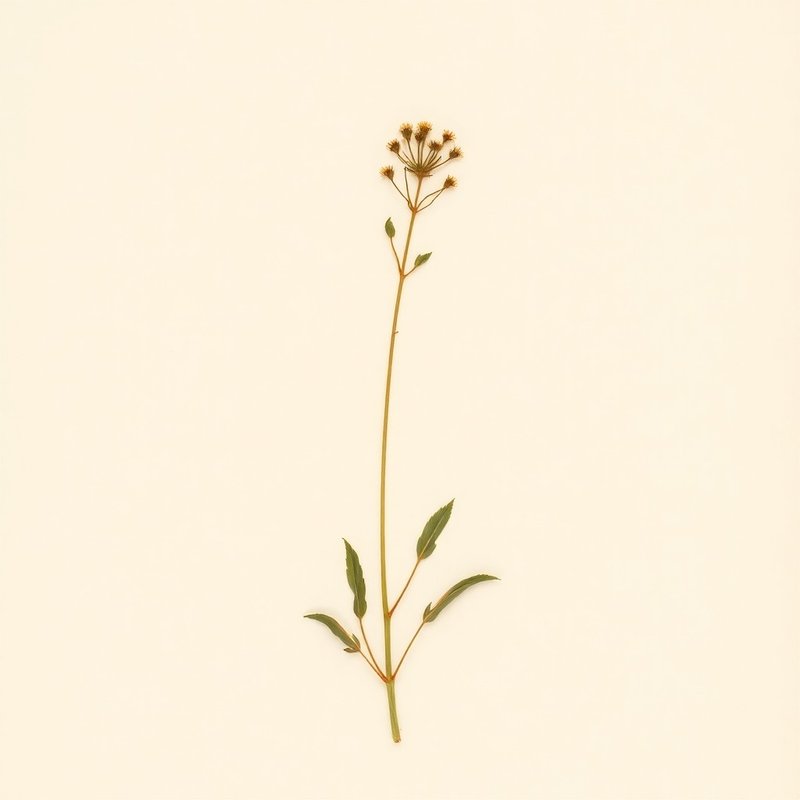
Pl. 695E — Corrigiola littoralis
Corrigiola littoralisCorrigiola littoralisCorrigiola littoralisCorrigiola littoralisCorrigiola littoralisCorrigiola littoralisCorrigiola littoralisCorrigiola littoralisCorrigiola littoralisCorrigiola littoralisCorrigiola littoralisCorrigiola littoralisCorrigiola littoralisCorrigiola littoralis
IOverview
Overview
Strapwort, scientifically known as Corrigiola littoralis, is an annual or biennial forb that thrives in moist, light (sandy) to medium soil with a pH of 5.5–6.5. Native to regions including Albania, Algeria, and parts of Europe such as Belgium and Bulgaria, this plant is notable for its edible leaves and documented medicinal uses. One distinctive feature of strapwort is its height, reaching up to 0.3 meters; another is its light energy requirement, which aligns with its preference for open, sunny areas.
Quick answers
What is Strapwort?
Strapwort, scientifically known as Corrigiola littoralis, is an annual or biennial forb that thrives in moist, light (sandy) to medium soil with a pH of 5.5–6.5.
IV·bMixology suggestions
2 drafts
Mixology suggestions
2 draftsEditorial drafts. These pairings are AI-suggested from traditional herbal lore. Always verify with a qualified herbalist before brewing.
Digestive Aid
digestiontincture
Historically used for digestive issues.
Growingconditions · propagation · uses
VCultivation
Cultivation
Strapwort thrives in light to moderately moist conditions and prefers a soil pH between 5.5 and 6.5. It grows well in light (sandy) and medium soils and is hardy in temperate regions. The plant requires full sun or partial shade, making it suitable for various garden settings. For best results, propagate Strapwort through seeds as it is an annual or biennial. Harvest the edible leaves throughout the growing season.
Light
8/10
Water
Moist
Soil
Light (sandy), Medium
Life cycle
Annual, Biennial
Habit
Forb/herb
Mature size
0.3 m tall
Soil pH
5.5–6.5
For first-time growers
How to grow Strapwort for the first time
8steps
Start with simple soil and basic care for a successful Strapwort planting.
- 1
What you'll need
Seeds or young plants, potting mix suitable for light soils, containers or garden beds.
- 2
Best time to plant
Plant in spring after the last frost when temperatures are mild and stable.
- 3
Soil and container prep
Use a well-draining soil with a pH between 5.5 and 6.5, ensuring good drainage for light sandy or medium soils.
- 4
Sowing or transplanting
Direct sow seeds in the garden or start them indoors about 4-6 weeks before planting outside. Transplant young plants carefully to avoid damaging roots.
- 5
First two weeks
Water regularly, keeping soil moist but not waterlogged. Provide light shade if direct sun is intense.
- 6
Ongoing care
Water when the top inch of soil feels dry and mulch to retain moisture. Fertilize sparingly with a balanced fertilizer every 4-6 weeks.
- 7
Harvest or pruning
Prune back after flowering to encourage new growth and prevent self-seeding, but avoid cutting too much as it may affect next year's blooms.
- 8
Common mistakes
Overwatering, planting in heavy soil, not providing enough light, neglecting regular pruning, and using the wrong fertilizer type.
VIEdible & utility
Edible & utility
Edible parts:Leaves
Edible uses: Strapwort leaves are edible and can be consumed fresh or cooked. They are typically prepared by adding them to salads for a mild flavor or incorporating them into soups and stews. The leaves can also be dried for later use in cooking. Skip the invention of specific recipes as per instructions.
Other uses:Essential OilFragrance
Contextrange · companions · related
VIIDistribution
30 native · 0 introduced
Distribution
30 native · 0 introducedDistribution across3 continents· 30 native
Europe11 regions
native (11)BelgiumBulgariaFranceGermanyGreeceItalyNetherlandsPolandPortugalSpainUnited Kingdom
Asia1 region
native (1)Palestine
Africa8 regions
native (8)AlgeriaBotswanaLesothoMaliMauritaniaMoroccoMozambiqueZambia
Broader regions
native:Cape Provinces, Czechoslovakia, East Aegean Is., Free State, Kriti, KwaZulu-Natal, Lebanon-Syria, Northern Provinces
IXSpecimen gallery
1 image
Specimen gallery
1 imageXI
Explore further
Companion planting
XII
About this entry
- Last updated
- Citation
- How to cite this entry · Submit a correction
Back to the cataloguePlant id · 695ef27f-9021-4c1c-a8c1-bd169d53fc14
Decision aid
Choosing between Strapwort and something else?
Continue reading
❦❦❦❦
Endpaper · archive updates
Get archive updates
Occasional email when substantial new content lands — plant profiles, seasonal growing notes, folk-remedy additions. Free, no tracking, unsubscribe anytime.