
American Hazel
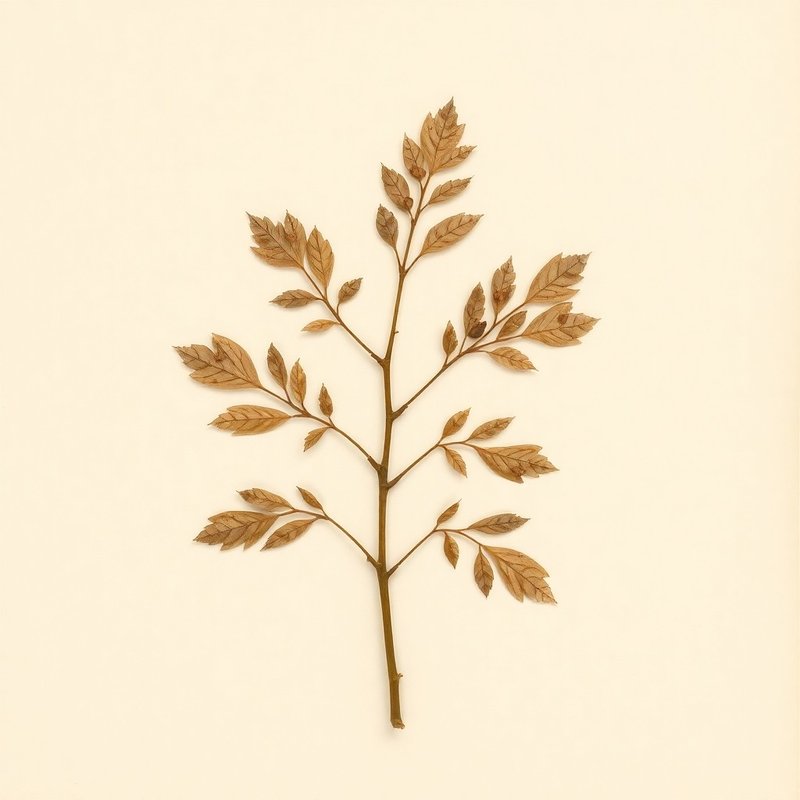
IOverview
Overview
American Hazel (Corylus americana) is a deciduous shrub native to the eastern United States and parts of Canada, ranging from Alabama to Wisconsin. This plant thrives in various soil types, including light sandy, medium, and heavy clay soils, and prefers full sun to partial shade. Hardy in zones 4-8, American Hazel can grow up to 3 meters tall and is valued for its edible seeds, which serve as a valuable food source. Its distinctive appearance and ecological benefits make it a suitable ornamental addition to gardens. American Hazel is also useful for hedgerows and can produce oil from its seeds. While primarily known for its edible and ornamental uses, it is important to note that no medicinal claims are supported by the provided data. This shrub is native to regions such as Alabama, Arkansas, Connecticut, Delaware, District of Columbia, Georgia, Illinois, Indiana, Iowa, Kansas, Kentucky, Louisiana, Maine, Manitoba, Maryland, Massachusetts, Michigan, Minnesota, Mississippi, Missouri, Nebraska, New Hampshire, New Jersey, New York, North Carolina, North Dakota, Ohio, Oklahoma, Ontario, Pennsylvania, Québec, Rhode Island, Saskatchewan, South Carolina, South Dakota, Tennessee, Vermont, Virginia, West Virginia, and Wisconsin. Its adaptability to different soil types and its ability to grow in both full sun and partial shade make it a versatile plant for various landscaping purposes.
What is American Hazel?
American Hazel (Corylus americana) is a deciduous shrub native to the eastern United States and parts of Canada, ranging from Alabama to Wisconsin. This plant thrives in various soil types, including light sandy, medium, and heavy clay soils, and prefers full sun to partial shade.
VCultivation
Cultivation
How to grow American Hazel for the first time
Start with American Hazel as a simple, low-maintenance addition to your garden.
- 1
What you'll need
Seeds or seedlings, gardening gloves, trowel.
- 2
Best time to plant
Plant in spring after the last frost or fall before the first freeze.
- 3
Soil and container prep
Choose a location with moist, light (sandy), medium, or heavy (clay) soil. Ensure good drainage.
- 4
Sowing or transplanting
Direct sow seeds in fall or start them indoors 8-10 weeks before the last frost and transplant seedlings in spring.
- 5
First two weeks
Water regularly to keep soil moist. Monitor for pests and diseases.
- 6
Ongoing care
Provide full sun to partial shade, water when dry, and mulch around the base.
- 7
Harvest or pruning
Prune in late winter before new growth starts to maintain shape and remove dead branches.
- 8
Common mistakes
Overwatering, planting in too sunny a spot, neglecting to prune.
VIEdible & utility
Edible & utility
VIIDistribution
41 native · 0 introduced
Distribution
41 native · 0 introducedIXSpecimen gallery
1 image
Specimen gallery
1 imageExplore further
About this entry
- Last updated
- Citation
- How to cite this entry · Submit a correction
Continue reading
Get archive updates
Occasional email when substantial new content lands — plant profiles, seasonal growing notes, folk-remedy additions. Free, no tracking, unsubscribe anytime.