
Common Hazelnut
IOverview
Overview
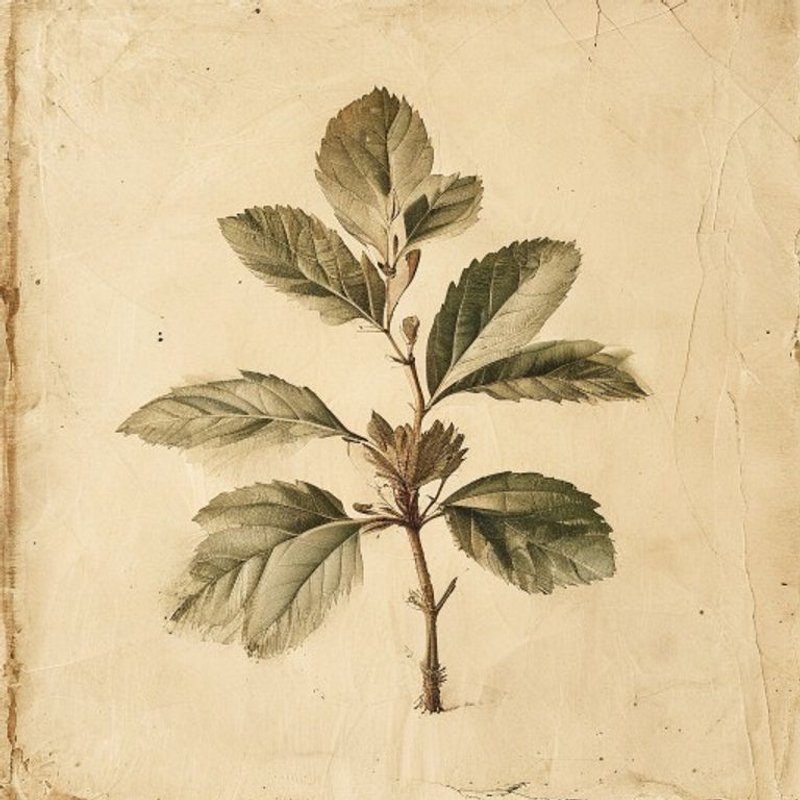
Common Hazelnut, Corylus avellana, is a deciduous shrub or small tree native to a wide range of European countries, including Albania, Austria, Belarus, and Ukraine. This hardy perennial, which can grow up to 6 meters in height and 3 meters in width, thrives in moist, light to heavy soils with a pH between 5.5 and 6.5, making it adaptable to various growing conditions. Known for its edible nuts, the common hazelnut is a valuable source of food, with its seeds and milk being used in culinary applications. This plant is often found in its native range and is also cultivated in gardens and orchards for its ornamental and edible qualities. One distinctive feature of the common hazelnut is its catkin-like male flowers, which appear before the leaves in early spring, followed by the female flowers that develop into the familiar nut. The common hazelnut is also known for its versatility in cultivation, serving as a weaving material, fire starter, cosmetic, hedgerow, and lumber source. While primarily known for its edible and ornamental uses, the common hazelnut can also be found in introduced regions such as the Azores, Kriti, Newfoundland, and Oregon.
What is Common Hazelnut?
Common Hazelnut, Corylus avellana, is a deciduous shrub or small tree native to a wide range of European countries, including Albania, Austria, Belarus, and Ukraine. This hardy perennial, which can grow up to 6 meters in height and 3 meters in width, thrives in moist, light to heavy soils with a pH between 5.
VCultivation
Cultivation
VIEdible & utility
Edible & utility
VIIDistribution
40 native · 4 introduced
Distribution
40 native · 4 introducedIXSpecimen gallery
1 image
Specimen gallery
1 imageExplore further
About this entry
- Last updated
- Citation
- How to cite this entry · Submit a correction
Continue reading
Get archive updates
Occasional email when substantial new content lands — plant profiles, seasonal growing notes, folk-remedy additions. Free, no tracking, unsubscribe anytime.