
Corylus avellana pontica
Corylus avellana ponticafam. Fagaceae
Educational content — not medical, botanical, or professional advice. Plant identification, safety, and edibility depend on local conditions, cultivars, and correct identification. Consult a qualified botanist or forager before consuming or handling wild specimens. How we source & review →
Garden journal pausedUse profile notes below
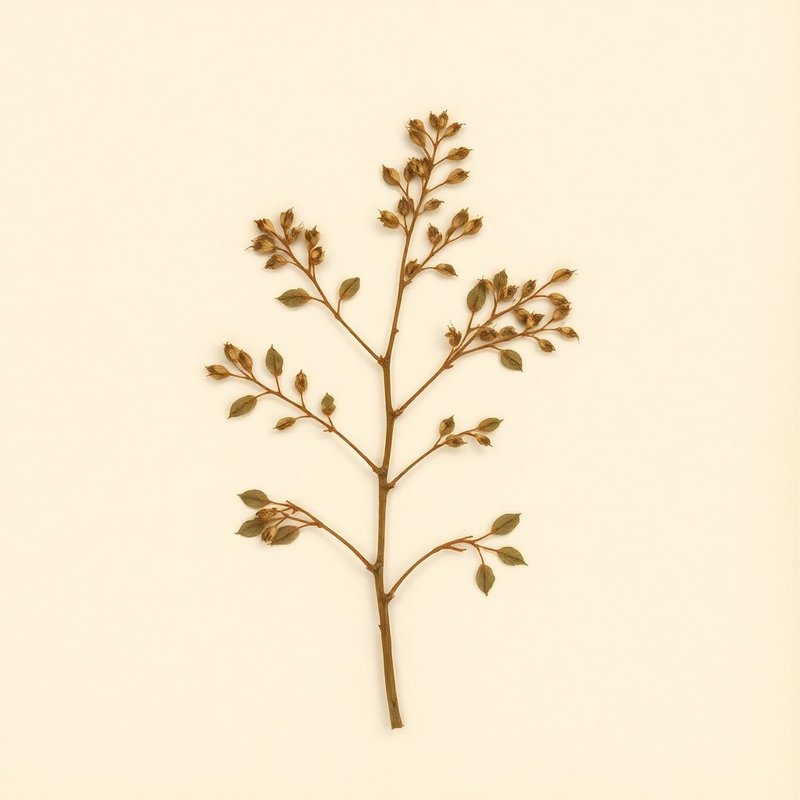
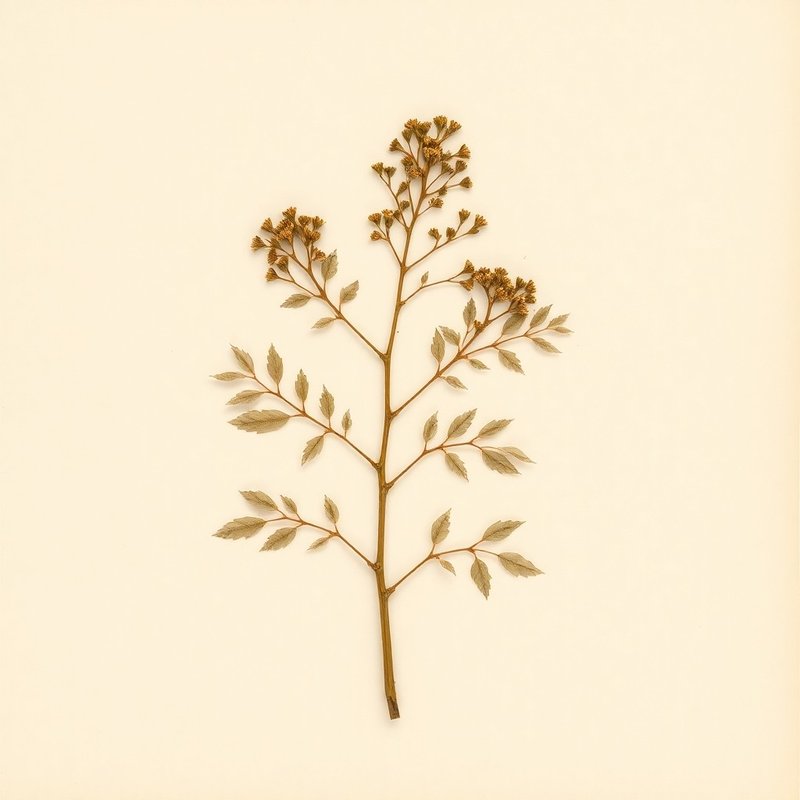
Pl. 497B — Corylus avellana pontica
Corylus avellana ponticaCorylus avellana ponticaCorylus avellana ponticaCorylus avellana ponticaCorylus avellana ponticaCorylus avellana ponticaCorylus avellana ponticaCorylus avellana ponticaCorylus avellana ponticaCorylus avellana ponticaCorylus avellana ponticaCorylus avellana ponticaCorylus avellana ponticaCorylus avellana pontica
IOverview
Overview
Corylus avellana pontica, a member of the Fagaceae family, is a shrub or small tree native to regions including Albania, Austria, and parts of Eastern Europe. This adaptable plant thrives in a variety of soil types, from light (sandy) to heavy (clay), and prefers a soil pH between 5.5 and 6.5. It requires moderate light, making it suitable for both sunny and partially shaded areas. Corylus avellana pontica is known for its edible seeds, which can be enjoyed raw or processed into milk, adding a nutty flavor to various culinary dishes. Its ability to grow in diverse soil conditions makes it a valuable ornamental and practical choice for those seeking sustainable food sources. While primarily used for its edible parts, this plant also offers practical uses such as weaving material, fire starter, hedgerow, and lumber. Its distinctive yellow flowers and growth habit as a tree or shrub make it easily recognizable in the landscape. Due to its diverse applications, Corylus avellana pontica is well-suited for gardens and hedgerows, providing both aesthetic and functional benefits.
Quick answers
What is Corylus avellana pontica?
Corylus avellana pontica, a member of the Fagaceae family, is a shrub or small tree native to regions including Albania, Austria, and parts of Eastern Europe. This adaptable plant thrives in a variety of soil types, from light (sandy) to heavy (clay), and prefers a soil pH between 5.
Growingconditions · propagation · uses
VCultivation
Cultivation
Corylus avellana pontica thrives in light to medium soil, with a preference for sandy, medium, or clay soil types. It requires moist conditions and a pH between 5.5 and 6.5. This plant prefers partial shade to full sun, with a light requirement of 5/10. For propagation, it can be grown from seeds or through suckers. The tree or shrub is hardy in temperate regions. Ensure consistent moisture and well-draining soil to support healthy growth.
Light
5/10
Water
Moist
Soil
Light (sandy), Medium, Heavy (clay)
Habit
Tree, Shrub
Soil pH
5.5–6.5
For first-time growers
How to grow Corylus avellana pontica for the first time
8steps
Start with planting Skip, a versatile shrub that requires minimal care and can be easily maintained by beginners.
- 1
What you'll need
Skip saplings or seeds, garden gloves, trowel, watering can.
- 2
Best time to plant
Plant in early spring or late autumn when the soil is moist and workable.
- 3
Soil and container prep
Ensure the soil drains well but retains moisture; pH should be between 5.5 and 6.5.
- 4
Sowing or transplanting
Transplant saplings in spring, or sow seeds in late autumn for germination next year.
- 5
First two weeks
Water regularly to keep the soil moist but not waterlogged; mulch around the base.
- 6
Ongoing care
Provide light pruning in early spring and ensure regular watering, especially during dry spells.
- 7
Harvest or pruning
Prune in late winter to maintain shape and remove dead branches; harvest seeds when ripe.
- 8
Common mistakes
Overwatering, planting in heavy clay soil, neglecting regular pruning, not providing enough light.
VIEdible & utility
Edible & utility
Edible parts:SeedMilk
Edible uses: Oil
Other uses:Weaving materialFire starterHedgerowoilPlant supportPolishLumber
Contextrange · companions · related
VIIDistribution
40 native · 4 introduced
Distribution
40 native · 4 introducedDistribution across2 continents· 40 native· 4 introduced
Europe25 regions
native (24)AlbaniaAustriaBelarusBelgiumBulgariaDenmarkFinlandFranceGermanyGreeceHungaryIrelandItalyNetherlandsNorwayPolandPortugalRomaniaRussiaSpainSwedenSwitzerlandUkraineUnited Kingdom
introduced (1)Portugal
Asia1 region
native (1)Turkey
Broader regions
native:Baltic States, Czechoslovakia, East Aegean Is., Føroyar, Transcaucasus, Yugoslavia
introduced:Kriti, Newfoundland, Oregon
IXSpecimen gallery
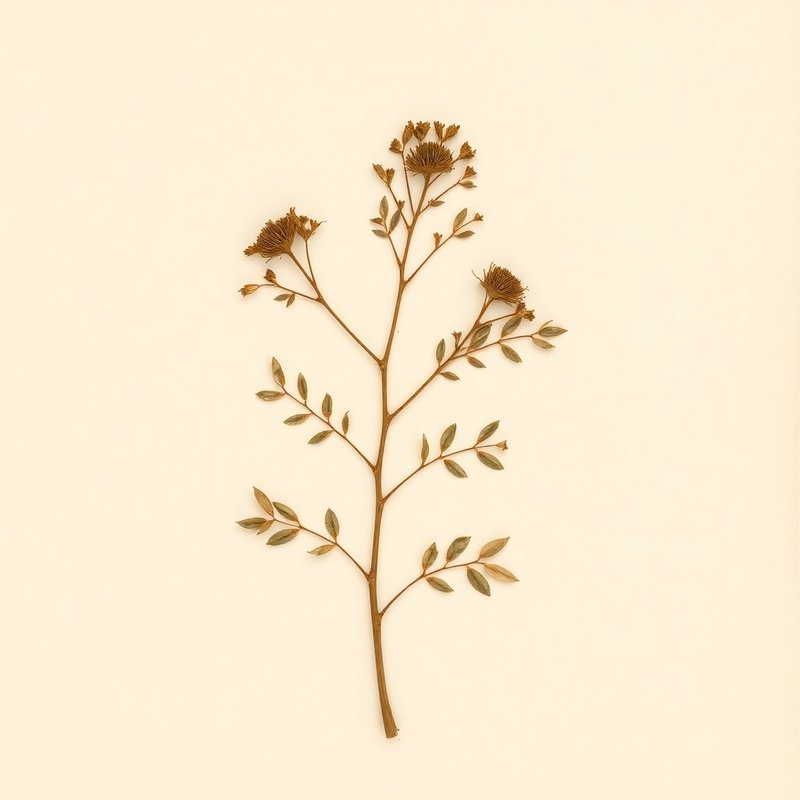
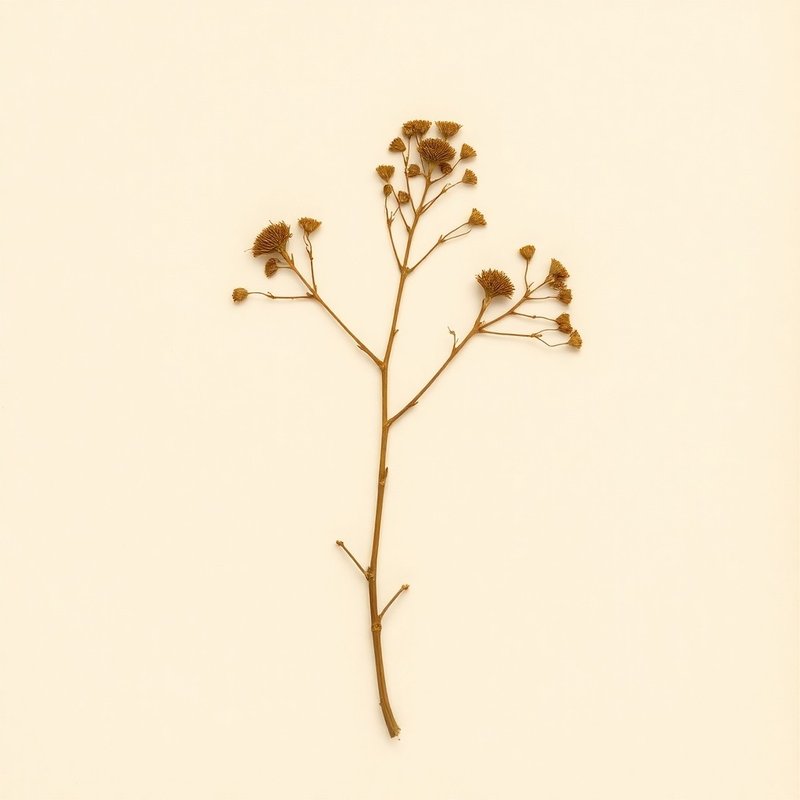
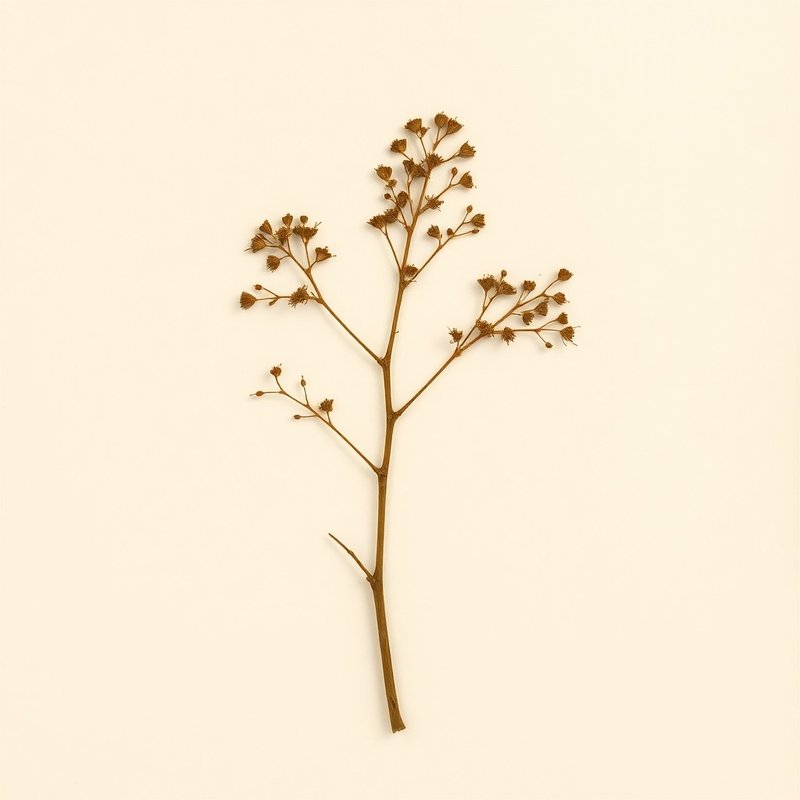
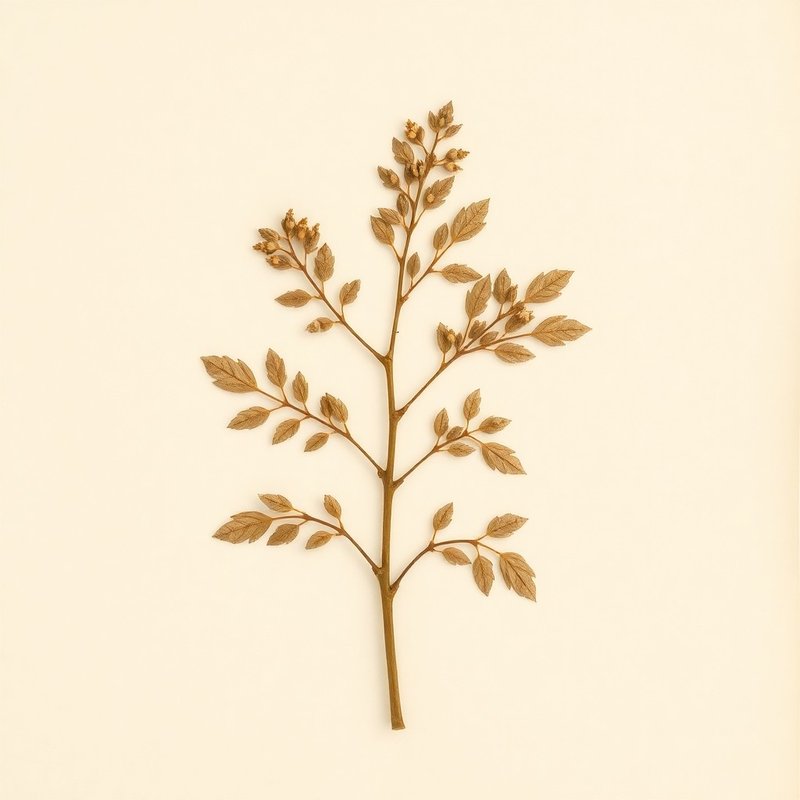
1 image
Specimen gallery
1 imageXSee also
8 related
See also
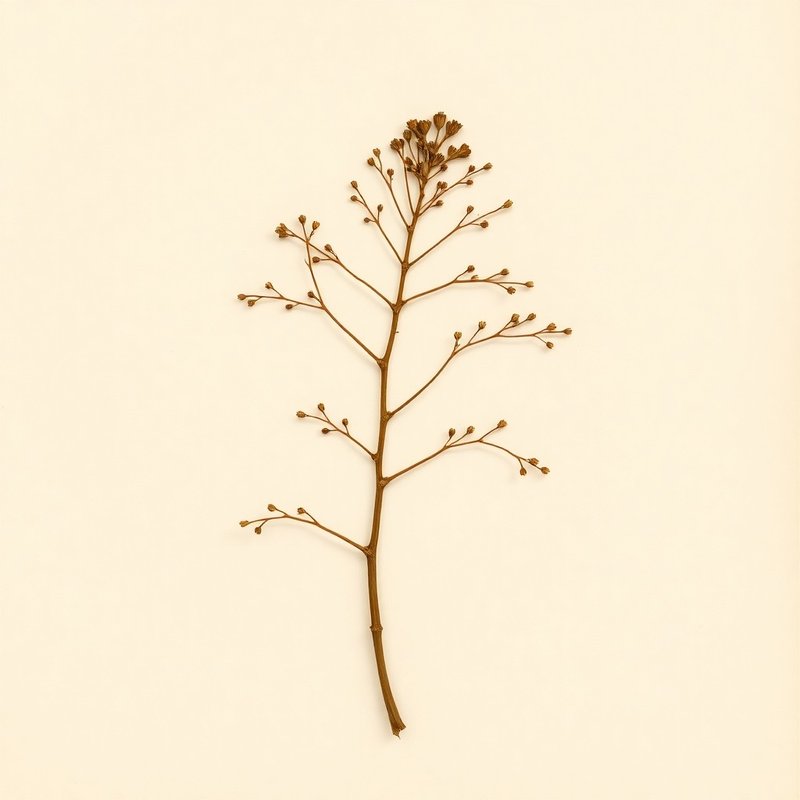
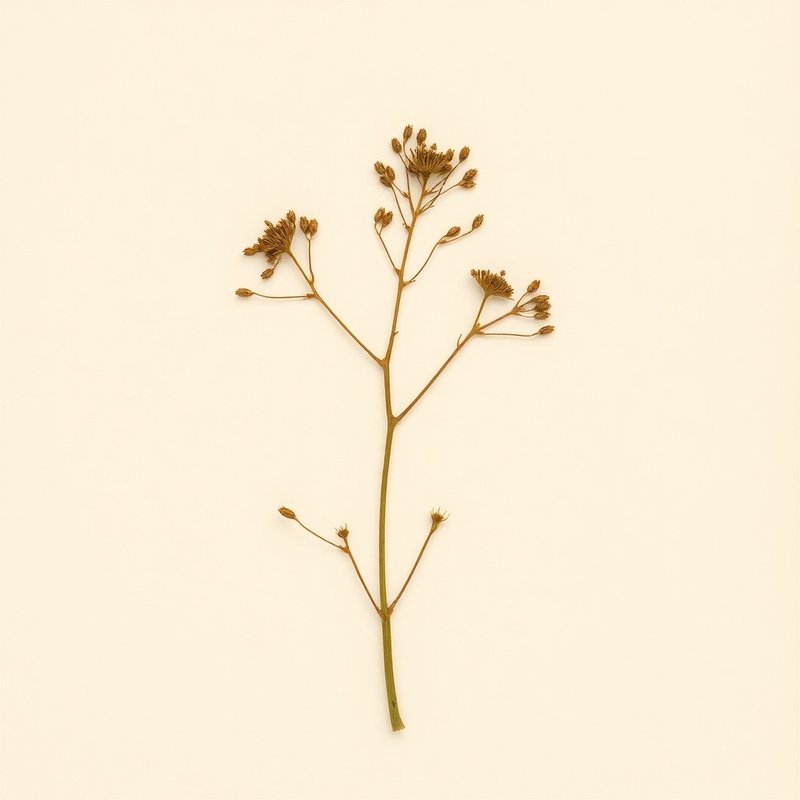
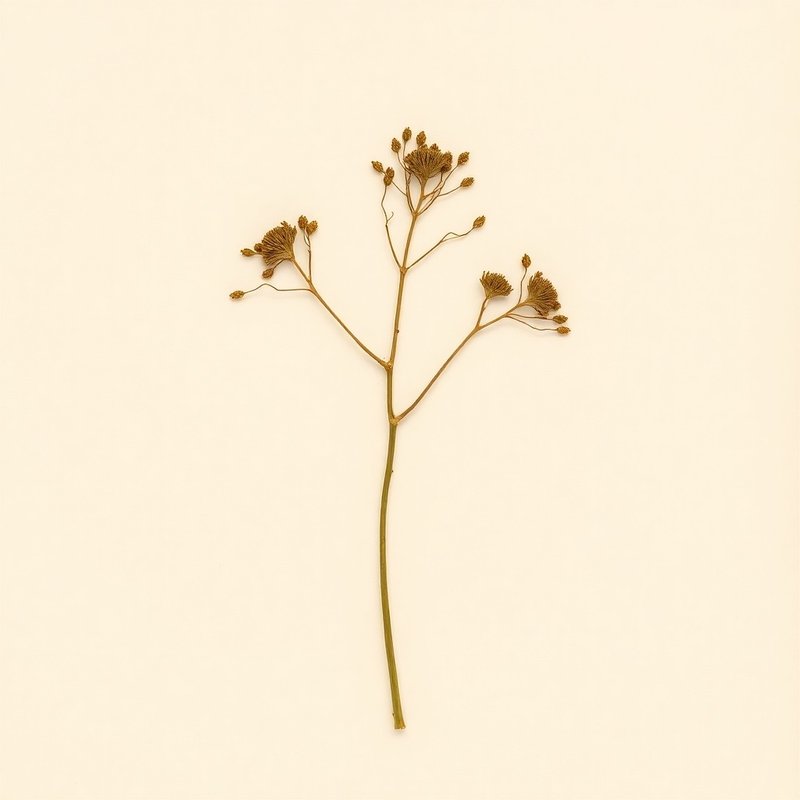
8 relatedPlants you might compare or use together — scored by shared family (Fagaceae), common use cases, and growing requirements.
same family · Fagaceae
Botanical relatives — often share phytochemistry + growing needs.
XI
Explore further
Companion planting
Compare with similar plants
Native to
XII
About this entry
- Last updated
- Citation
- How to cite this entry · Submit a correction
Back to the cataloguePlant id · 497b902d-18e5-41fb-a3b0-2c1ec06dee8f
Decision aid
Choosing between Corylus avellana pontica and something else?
Continue reading
❦❦❦❦
Endpaper · archive updates
Get archive updates
Occasional email when substantial new content lands — plant profiles, seasonal growing notes, folk-remedy additions. Free, no tracking, unsubscribe anytime.
Newsletter returning soon.
We are rebuilding the update list around a lightweight editorial workflow. New dispatches will resume after the next content review cycle.