
Chinese Trazel
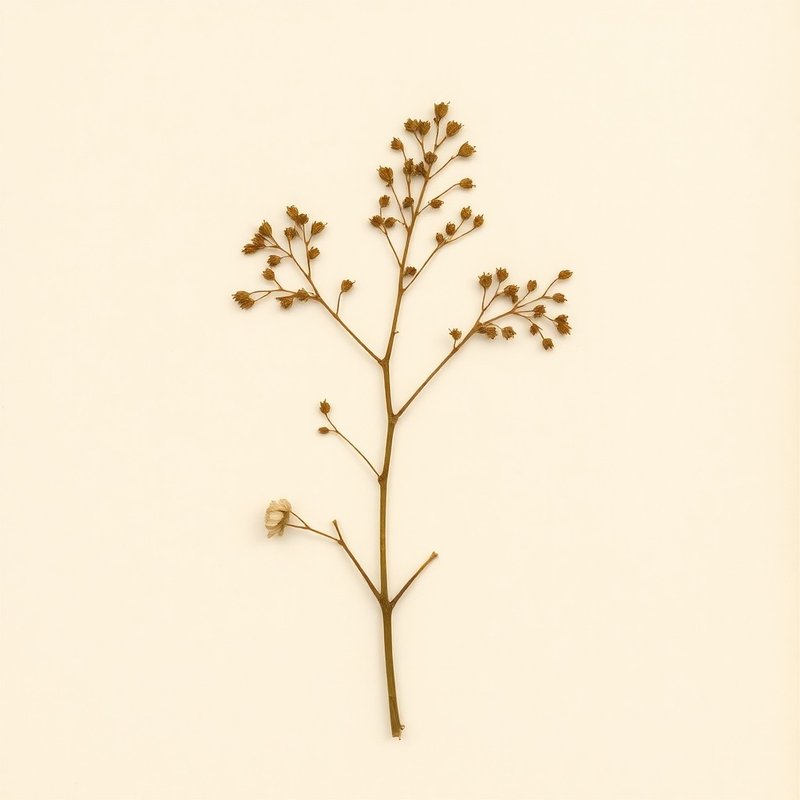
IOverview
Overview
Chinese Trazel (Corylus x vilmorinii) is a deciduous tree or shrub known for its ornamental value and edible seeds. Native to regions including Albania, Austria, and parts of Eastern Europe, this plant thrives in moist, well-drained soils with a pH between 5.5 and 6.5. It can grow up to 25 meters tall and is hardy in zones 4-8. The tree produces edible seeds that are light in nature, making it suitable for gardens where its attractive form and size can be appreciated. Its adaptability to various soil types—light (sandy), medium, and heavy (clay)—makes Chinese Trazel a versatile addition to landscapes. Chinese Trazel thrives in partial to full sunlight and prefers moist, well-draining soils with a pH between 5.5 and 6.5. It can grow in light (sandy), medium, or heavy (clay) soil types. This tree or shrub is hardy in temperate regions from zones 4-8. Propagate via seed for new plants. Ensure the planting site has adequate moisture to support its growth, especially during dry periods. Its distinctive yellow flowers and tall stature make it a notable feature in gardens and landscapes.
What is Chinese Trazel?
Chinese Trazel (Corylus x vilmorinii) is a deciduous tree or shrub known for its ornamental value and edible seeds. Native to regions including Albania, Austria, and parts of Eastern Europe, this plant thrives in moist, well-drained soils with a pH between 5.
VCultivation
Cultivation
How to grow Chinese Trazel for the first time
Start with planting a Chinese Trazel in your garden to enjoy its ornamental value and potential edible seeds.
- 1
What you'll need
A young Chinese Trazel sapling, well-draining soil, and a large container if potting.
- 2
Best time to plant
Plant in early spring or late autumn when the ground is workable but not frozen.
- 3
Soil and container prep
Ensure the soil has a pH between 5.5 and 6.5, which can be tested with a home kit.
- 4
Sowing or transplanting
Transplant young saplings from a nursery pot into your garden or large container.
- 5
First two weeks
Water regularly to keep the soil moist but not waterlogged, and protect from extreme weather.
- 6
Ongoing care
Provide regular watering during dry spells, especially in its first few years. Mulch around the base for moisture retention.
- 7
Harvest or pruning
Prune in late winter to maintain shape and remove dead branches; seeds can be harvested when ripe.
- 8
Common mistakes
Overwatering, planting in too acidic soil, neglecting regular pruning, and not providing enough space for growth.
VIEdible & utility
Edible & utility
VIIDistribution
40 native · 4 introduced
Distribution
40 native · 4 introducedIXSpecimen gallery
1 image
Specimen gallery
1 imageExplore further
About this entry
- Last updated
- Citation
- How to cite this entry · Submit a correction
Continue reading
Get archive updates
Occasional email when substantial new content lands — plant profiles, seasonal growing notes, folk-remedy additions. Free, no tracking, unsubscribe anytime.