
Gebang Palm Corypha palm
Corypha utan
Educational content — not medical, botanical, or professional advice. Plant identification, safety, and edibility depend on local conditions, cultivars, and correct identification. Consult a qualified botanist or forager before consuming or handling wild specimens. How we source & review →
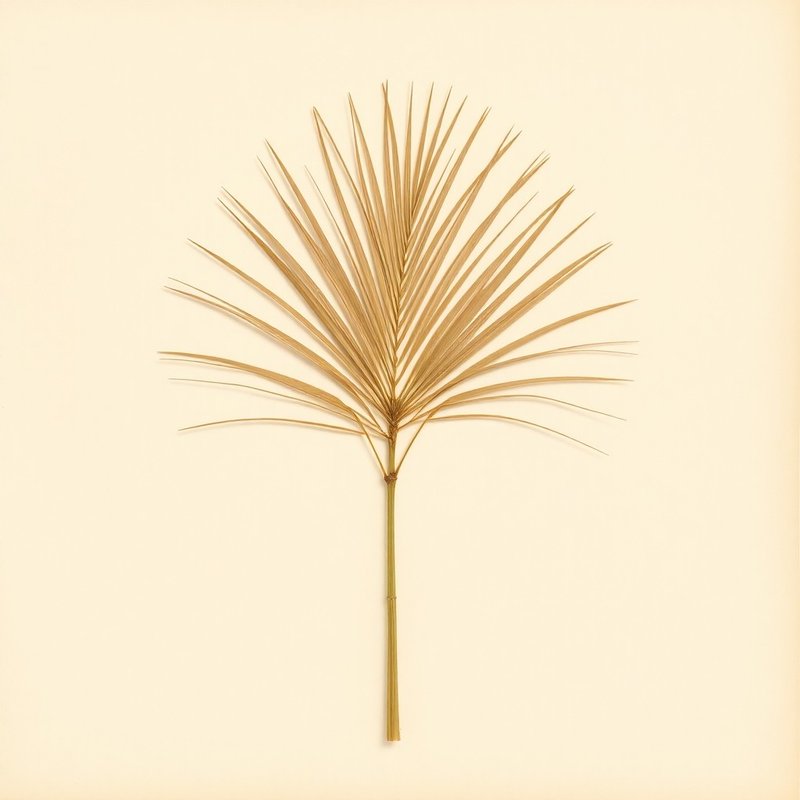
Pl. 922D — Corypha utan
Corypha utanCorypha utanCorypha utanCorypha utanCorypha utanCorypha utanCorypha utanCorypha utanCorypha utanCorypha utanCorypha utanCorypha utanCorypha utanCorypha utan
IOverview
Overview
The Gebang Palm (Corypha utan) is a towering member of the Arecaceae family, native to Southeast Asia and parts of the Pacific. This palm can grow up to 18 meters in height and thrives in full sun with varying soil types—light, medium, or heavy clay—and prefers dry to moist conditions. Native to regions such as Andaman Islands, Assam, Borneo, Cambodia, Java, Laos, Lesser Sunda Islands, Malaya, Myanmar, New Guinea, Northern Territory, Philippines, Queensland, Sulawesi, Sumatera, Thailand, and Vietnam, the Gebang Palm is known for its edible parts including the apical bud, flowers, seeds, and stem. Its distinctive feature lies in its impressive size and the valuable resources it provides to local communities.
Quick answers
What is Gebang Palm Corypha palm?
The Gebang Palm (Corypha utan) is a towering member of the Arecaceae family, native to Southeast Asia and parts of the Pacific. This palm can grow up to 18 meters in height and thrives in full sun with varying soil types—light, medium, or heavy clay—and prefers dry to moist conditions.
Growingconditions · propagation · uses
VCultivation
Cultivation
Gebang Palm thrives in full sun and is adaptable to various soil types, including light (sandy), medium, and heavy (clay). It prefers dry to moist conditions but can tolerate a range of environments. Hardy in zones 11-12, this palm grows up to 18 meters tall. For propagation, use apical buds, flowers, or seeds. Ensure the soil is well-draining while maintaining adequate moisture for best growth.
Light
Full sun
Water
Dry, Moist
Soil
Light (sandy), Medium, Heavy (clay)
Hardiness
11-12
Mature size
18.0 m tall
For first-time growers
How to grow Gebang Palm Corypha palm for the first time
8steps
Start with a single Gebang Palm to gain experience and avoid overcommitting.
- 1
What you'll need
A healthy young Gebang Palm, a large pot or planting area, well-draining soil.
- 2
Best time to plant
Plant in spring when the weather is warm and stable.
- 3
Soil and container prep
Use a mix of sand, loam, and clay for good drainage. Ensure containers have adequate drainage holes.
- 4
Sowing or transplanting
Transplant young plants from nurseries into larger pots or directly in the ground after hardening off.
- 5
First two weeks
Water sparingly to avoid waterlogging, and place in a partially shaded area to acclimate.
- 6
Ongoing care
Provide full sun once established. Water when soil feels dry but avoid overwatering. Fertilize lightly during growing season.
- 7
Harvest or pruning
Prune dead leaves and stems regularly for a neat appearance. Harvest apical buds, flowers, and seeds as desired.
- 8
Common mistakes
Overwatering, planting in poorly drained soil, not providing enough sunlight, neglecting to prune, and harvesting too much.
VIEdible & utility
Edible & utility
Edible parts:Apical budFlowersSeedStem
Edible uses: Drink, Sweetener
Other uses:Weaving materialCraftingFibertextiles
Contextrange · companions · related
VIIDistribution
18 native · 1 introduced
Distribution
18 native · 1 introducedDistribution across1 continent· 18 native· 1 introduced
Asia7 regions
native (7)CambodiaIndiaLaosMyanmarPhilippinesThailandVietnam
Broader regions
native:Borneo, Jawa, Lesser Sunda Is., Malaya, Maluku, New Guinea, Northern Territory, Queensland, Sulawesi, Sumatera, Andaman Is.
introduced:Trinidad-Tobago
IXSpecimen gallery
1 image
Specimen gallery
1 imageXI
Explore further
Companion planting
Growing zone
XII
About this entry
- Last updated
- Citation
- How to cite this entry · Submit a correction
Back to the cataloguePlant id · 922dccee-8ee5-4c8a-b987-b81b32f3b239
Decision aid
Choosing between Gebang Palm Corypha palm and something else?
Continue reading
❦❦❦❦
Endpaper · archive updates
Get archive updates
Occasional email when substantial new content lands — plant profiles, seasonal growing notes, folk-remedy additions. Free, no tracking, unsubscribe anytime.