
Calabash Tree
Crescentia cujete
Educational content — not medical, botanical, or professional advice. Plant identification, safety, and edibility depend on local conditions, cultivars, and correct identification. Consult a qualified botanist or forager before consuming or handling wild specimens. How we source & review →
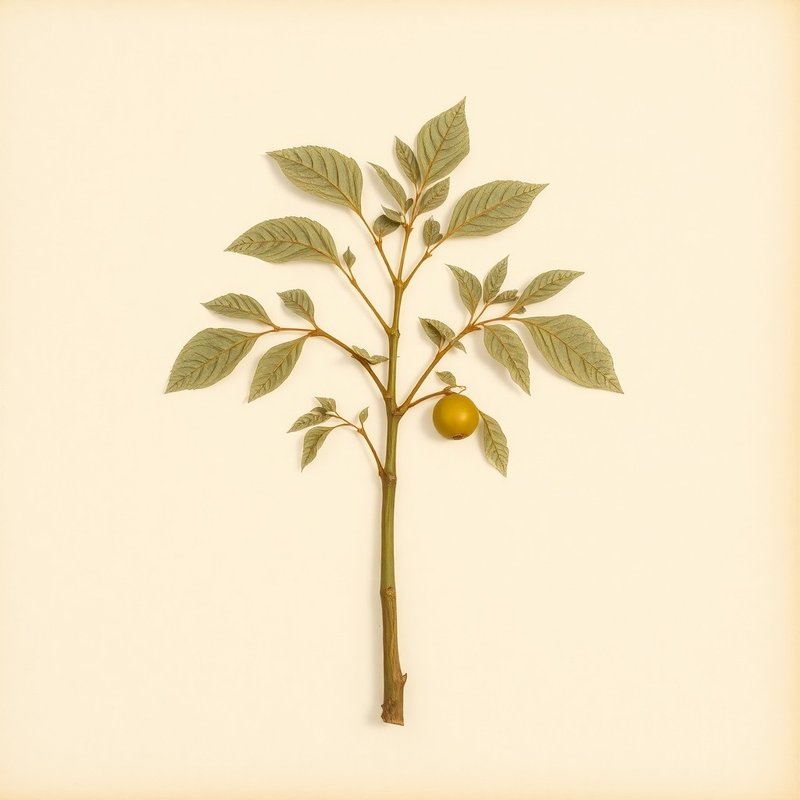
Pl. EF0D — Crescentia cujete
Crescentia cujeteCrescentia cujeteCrescentia cujeteCrescentia cujeteCrescentia cujeteCrescentia cujeteCrescentia cujeteCrescentia cujeteCrescentia cujeteCrescentia cujeteCrescentia cujeteCrescentia cujeteCrescentia cujeteCrescentia cujete
IOverview
Overview
The Calabash Tree (Crescentia cujete) is a member of the Bignoniaceae family and can be found in various Caribbean islands, Central American countries, and parts of South America including Aruba, Bahamas, Belize, Colombia, Costa Rica, Cuba, Dominican Republic, and Venezuela. Known for its ornamental value and edibility, this tree produces large calabash-like fruits that are both edible and used as containers. The Calabash Tree thrives in full sun with moist to well-drained soil types such as light (sandy), medium, or heavy (clay). It can grow up to 10 meters tall and is hardy in zones 10-12. Its distinctive feature includes the unique, calabash-shaped fruit that matures from green to brown and can be used for various purposes.
Quick answers
What is Calabash Tree?
The Calabash Tree (Crescentia cujete) is a member of the Bignoniaceae family and can be found in various Caribbean islands, Central American countries, and parts of South America including Aruba, Bahamas, Belize, Colombia, Costa Rica, Cuba, Dominican Republic, and Venezuela.
Growingconditions · propagation · uses
VCultivation
Cultivation
The Calabash Tree thrives in full sun and prefers moist soil that can be light (sandy), medium, or heavy (clay). It is hardy in zones 10-12 and grows to a height of about 10 meters. For propagation, use seeds. Ensure the tree has adequate moisture while maintaining well-drained conditions to prevent root rot. The fruit, leaves, and seeds are edible but not recommended for medicinal purposes or direct health benefits.
Light
Full sun
Water
Moist
Soil
Light (sandy), Medium, Heavy (clay)
Hardiness
10-12
Mature size
10.0 m tall
For first-time growers
How to grow Calabash Tree for the first time
8steps
Start with a simple, sunny spot and basic care for your Calabash Tree.
- 1
What you'll need
A healthy young plant or seeds, potting soil, a container, and water.
- 2
Best time to plant
Plant in spring when the last frost has passed and temperatures are warm.
- 3
Soil and container prep
Use well-draining soil with some sand for better drainage. Ensure your container is at least 10-12 inches wide.
- 4
Sowing or transplanting
Start seeds indoors about 8 weeks before the last frost, then transplant outdoors after danger of frost passes.
- 5
First two weeks
Keep soil moist and provide partial shade to help young plants establish roots.
- 6
Ongoing care
Water regularly, especially during dry spells. Fertilize lightly in spring with a balanced fertilizer.
- 7
Harvest or pruning
Prune after flowering to maintain shape and remove dead branches. Harvest fruits when they turn dark brown.
- 8
Common mistakes
Overwatering, planting too deep, not providing enough sunlight, neglecting to prune, and using heavy fertilizers.
VIEdible & utility
Edible & utility
Edible parts:FruitLeavesSeed
Edible uses: Oil, Coffee, Condiment, Drink
Other uses:ContainersFire starteroilPlant supportLumber
Contextrange · companions · related
VIIDistribution
26 native · 4 introduced
Distribution
26 native · 4 introducedDistribution across3 continents· 26 native· 4 introduced
Asia1 region
introduced (1)Bangladesh
Americas14 regions
native (14)BahamasBelizeColombiaCosta RicaCubaDominican RepublicEl SalvadorGuatemalaHaitiHondurasJamaicaNicaraguaPuerto RicoVenezuela
Africa1 region
introduced (1)Benin
Broader regions
native:Cayman Is., Leeward Is., Mexico Northeast, Mexico Southeast, Mexico Southwest, Netherlands Antilles, Panamá, Southwest Caribbean, Windward Is., Aruba, Mexico Northwest, Venezuelan Antilles
introduced:Brazil Southeast, Caroline Is.
IXSpecimen gallery
1 image
Specimen gallery
1 imageXI
Explore further
Companion planting
Growing zone
XII
About this entry
- Last updated
- Citation
- How to cite this entry · Submit a correction
Back to the cataloguePlant id · ef0d7a2c-d176-4640-9d81-7d32b2e805df
Decision aid
Choosing between Calabash Tree and something else?
Continue reading
❦❦❦❦
Endpaper · archive updates
Get archive updates
Occasional email when substantial new content lands — plant profiles, seasonal growing notes, folk-remedy additions. Free, no tracking, unsubscribe anytime.