
Cucubalus baccifer
Cucubalus baccifer
Educational content — not medical, botanical, or professional advice. Plant identification, safety, and edibility depend on local conditions, cultivars, and correct identification. Consult a qualified botanist or forager before consuming or handling wild specimens. How we source & review →
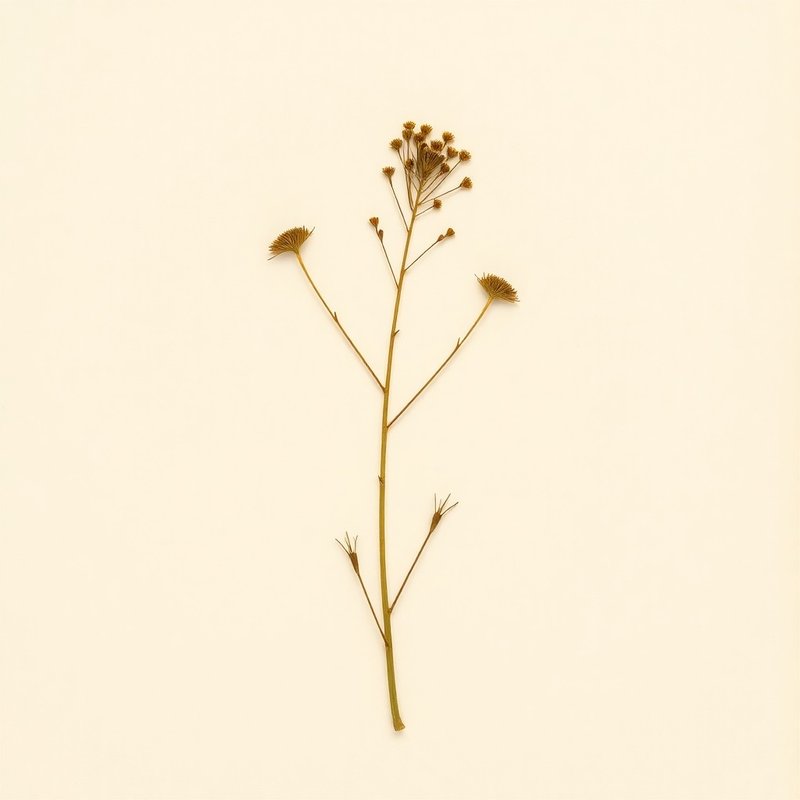
Pl. 0F44 — Cucubalus baccifer
Cucubalus bacciferCucubalus bacciferCucubalus bacciferCucubalus bacciferCucubalus bacciferCucubalus bacciferCucubalus bacciferCucubalus bacciferCucubalus bacciferCucubalus bacciferCucubalus bacciferCucubalus bacciferCucubalus bacciferCucubalus baccifer
IOverview
Overview
Cucubalus baccifer, commonly known as Cucubalus baccifer, is an annual plant native to a wide range of regions including Afghanistan, Albania, Assam, Austria, and parts of Europe and Asia such as Belarus, Bulgaria, and China. This adaptable plant thrives in moist conditions with light (sandy), medium, or heavy (clay) soil, flourishing best at a pH between 7 and 7.5. It is known for its edible leaves, making it valuable in culinary applications. Found across a broad geographical area from Europe to Asia, Cucubalus baccifer can grow up to one meter tall, standing out with its distinctive presence in the landscape.
Quick answers
What is Cucubalus baccifer?
Cucubalus baccifer, commonly known as Cucubalus baccifer, is an annual plant native to a wide range of regions including Afghanistan, Albania, Assam, Austria, and parts of Europe and Asia such as Belarus, Bulgaria, and China.
Growingconditions · propagation · uses
VCultivation
Cultivation
Cucubalus baccifer thrives in light to moist soils that are well-draining or heavy with a pH of 7-7.5. It prefers partial shade but can tolerate full sun, making it adaptable to various light conditions. This annual plant grows up to 1 meter tall and is hardy in temperate regions with zones 6-9. To propagate, sow seeds directly in the garden after all danger of frost has passed. Keep the soil consistently moist during germination and growth. Given its native range across Europe, Asia, and parts of Africa, Cucubalus baccifer can be quite versatile in cultivation. Its edible leaves add a unique flavor to dishes.
Light
7/10
Water
Moist
Soil
Light (sandy), Medium, Heavy (clay)
Hardiness
6-9
Life cycle
Annual
Mature size
1.0 m tall
Soil pH
7–7.5
For first-time growers
How to grow Cucubalus baccifer for the first time
8steps
Start with simple soil and basic care for Cucubalus baccifer.
- 1
What you'll need
Seeds or young plants, a container or garden bed, potting mix if using containers.
- 2
Best time to plant
Plant in spring after the last frost, when soil is warm and moist.
- 3
Soil and container prep
Use well-draining soil with a pH of 7-7.5. Ensure containers have drainage holes.
- 4
Sowing or transplanting
Direct sow seeds in the garden or start them indoors 4 weeks before planting outside. Transplant young plants carefully to avoid damage.
- 5
First two weeks
Water regularly, keeping soil moist but not waterlogged. Provide light shade if direct sun is strong.
- 6
Ongoing care
Water when the top inch of soil feels dry. Fertilize with a balanced plant food every 4-6 weeks.
- 7
Harvest or pruning
Prune leaves as needed for maintenance, but avoid heavy cutting that could harm the plant.
- 8
Common mistakes
Overwatering, planting in too shady an area, and not providing enough nutrients.
VIEdible & utility
Edible & utility
Edible parts:Leaves
Edible uses: The leaves of Cucubalus baccifer are edible and can be consumed fresh or cooked. They are typically prepared by boiling or steaming to enhance their flavor and texture. SKIP
Other uses:Tannin
Contextrange · companions · related
VIIDistribution
30 native · 0 introduced
Distribution
30 native · 0 introducedDistribution across2 continents· 30 native
Europe13 regions
native (13)AlbaniaAustriaBelarusBelgiumBulgariaFranceGermanyGreeceHungaryItalyNetherlandsRussiaUkraine
Asia8 regions
native (8)AfghanistanChinaIndiaIraqJapanKazakhstanNepalSouth Korea
Broader regions
native:Sakhalin, Baltic States, Czechoslovakia, Kuril Is., Lebanon-Syria
IXSpecimen gallery
1 image
Specimen gallery
1 imageXI
Explore further
Companion planting
Growing zone
XII
About this entry
- Last updated
- Citation
- How to cite this entry · Submit a correction
Back to the cataloguePlant id · 0f444b91-89eb-48ae-904e-44656c89f664
Decision aid
Choosing between Cucubalus baccifer and something else?
Continue reading
❦❦❦❦
Endpaper · archive updates
Get archive updates
Occasional email when substantial new content lands — plant profiles, seasonal growing notes, folk-remedy additions. Free, no tracking, unsubscribe anytime.