
Cucumis melo cantalupensis
Cucumis melo cantalupensis
Educational content — not medical, botanical, or professional advice. Plant identification, safety, and edibility depend on local conditions, cultivars, and correct identification. Consult a qualified botanist or forager before consuming or handling wild specimens. How we source & review →
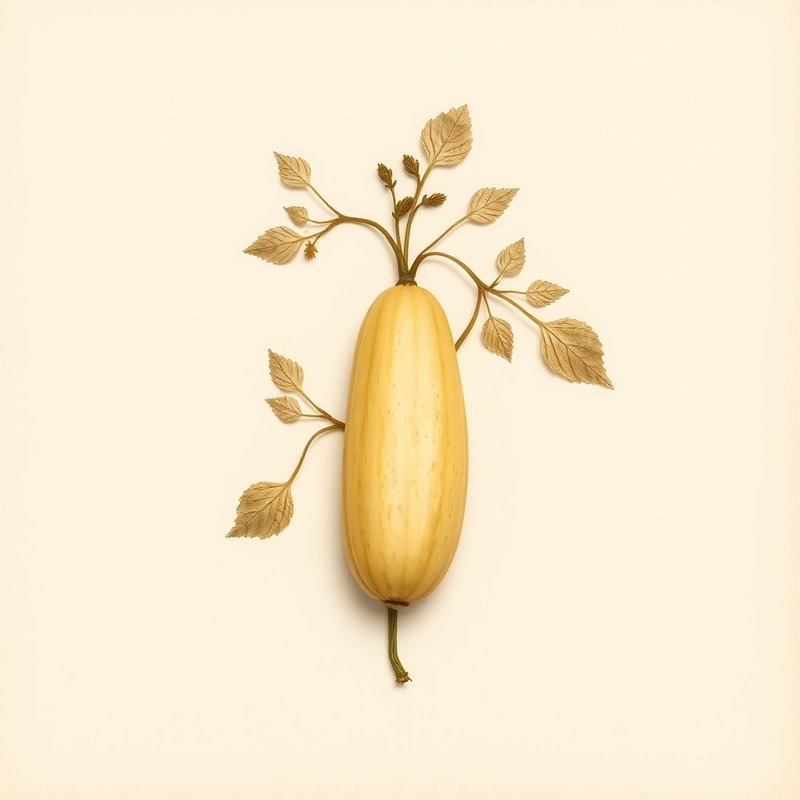
Pl. 1DD5 — Cucumis melo cantalupensis
Cucumis melo cantalupensisCucumis melo cantalupensisCucumis melo cantalupensisCucumis melo cantalupensisCucumis melo cantalupensisCucumis melo cantalupensisCucumis melo cantalupensisCucumis melo cantalupensisCucumis melo cantalupensisCucumis melo cantalupensisCucumis melo cantalupensisCucumis melo cantalupensisCucumis melo cantalupensisCucumis melo cantalupensis
IOverview
Overview
The Cantaloupe Melon (Cucumis melo cantalupensis) is a summer fruit native to the region surrounding India and extending into Afghanistan, Angola, Chad, Eritrea, Ethiopia, and the Gulf States. This type of melon is known for its round or oblong shape, covered in a rough, bumpy green or beige skin. It thrives in full sun and requires moist soil that can be light (sandy), medium, or heavy (clay). The Cantaloupe Melon has a life cycle of one year and reaches a height and width of 1.5 meters and 1 meter, respectively. It takes between 60 to 75 days from sowing until the fruit is ready for harvest. This melon can be grown with a spacing of 92 cm between plants, making it suitable for both home gardens and commercial cultivation. Its edible parts include the fruit and seeds, contributing to its versatility in culinary uses.
Quick answers
What is Cucumis melo cantalupensis?
The Cantaloupe Melon (Cucumis melo cantalupensis) is a summer fruit native to the region surrounding India and extending into Afghanistan, Angola, Chad, Eritrea, Ethiopia, and the Gulf States. This type of melon is known for its round or oblong shape, covered in a rough, bumpy green or beige skin.
Growingconditions · propagation · uses
VCultivation
Cultivation
The Cantaloupe Melon thrives in full sun and requires moist soil that can be light (sandy), medium, or heavy (clay). It is hardy in zones 4-10 and grows to a height of 1.5 meters with a width of 1 meter. Space plants about 92 cm apart for best results. The melon takes 60-75 days to mature from planting. For propagation, seeds can be sown directly into the garden after the danger of frost has passed.
Light
Full sun
Water
Moist
Soil
Light (sandy), Medium, Heavy (clay)
Hardiness
4-10
Life cycle
Annual
Mature size
1.5 m × 1 m
- Germination
- 4-10 days
- Days to maturity
- 60-75
- Spacing
- 92cm
For first-time growers
How to grow Cucumis melo cantalupensis for the first time
8steps
Start with a simple, sunny spot in your garden for this beginner-friendly melon.
- 1
What you'll need
Seeds or seedlings, a trellis or support structure, and a watering can.
- 2
Best time to plant
Plant seeds after the last frost in spring when temperatures are consistently above 15°C (60°F).
- 3
Soil and container prep
Choose a well-draining soil with plenty of organic matter. Ensure containers are at least 30 cm deep and wide.
- 4
Sowing or transplanting
Direct sow seeds 2-3 cm deep, spaced about 92 cm apart. Transplant seedlings when they have two true leaves.
- 5
First two weeks
Keep soil consistently moist and provide light shade if temperatures exceed 30°C (86°F).
- 6
Ongoing care
Water regularly, especially during fruit development. Fertilize every four to six weeks with a balanced organic fertilizer.
- 7
Harvest or pruning
Prune any non-fruiting vines and remove dead leaves to improve air circulation. Harvest when the fruit's netting turns golden brown.
- 8
Common mistakes
Overwatering, planting too early in cold soil, not providing enough support for vines, and neglecting to prune.
VIEdible & utility
Edible & utility
Edible parts:FruitSeed
Edible uses: Oil
Other uses:oil
Contextrange · companions · related
VIIDistribution
30 native · 0 introduced
Distribution
30 native · 0 introducedDistribution across2 continents· 30 native
Asia9 regions
native (9)AfghanistanIndiaIranIraqOmanPakistanPalestineSaudi ArabiaYemen
Africa13 regions
native (13)AngolaChadEritreaEthiopiaKenyaMalawiMozambiqueSomaliaSudanTanzaniaUgandaZambiaZimbabwe
Broader regions
native:New South Wales, Gulf States, Lebanon-Syria, Northern Territory, Western Australia, Queensland, South Australia, Northern Provinces
IXSpecimen gallery
1 image
Specimen gallery
1 imageXI
Explore further
Companion planting
Growing zone
XII
About this entry
- Last updated
- Citation
- How to cite this entry · Submit a correction
Back to the cataloguePlant id · 1dd5fc4d-9047-486e-a4fe-a7a1e9ca9152
Decision aid
Choosing between Cucumis melo cantalupensis and something else?
Continue reading
❦❦❦❦
Endpaper · archive updates
Get archive updates
Occasional email when substantial new content lands — plant profiles, seasonal growing notes, folk-remedy additions. Free, no tracking, unsubscribe anytime.