
Cucumis melo conomon
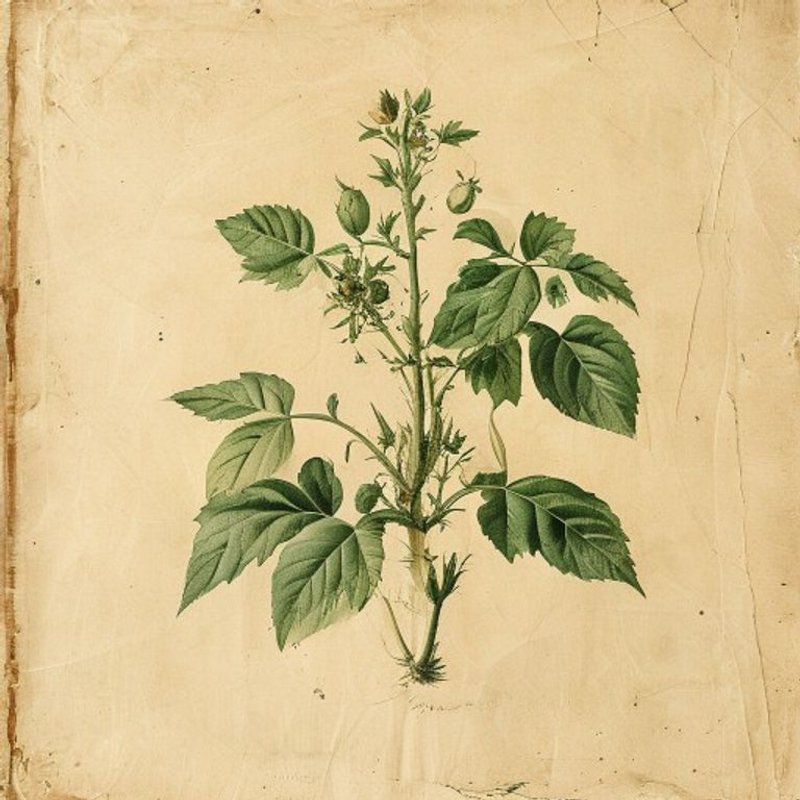
IOverview
Overview
Cucumis melo conomon, commonly known as the Persian melon or honeydew, is an annual plant native to regions including Afghanistan, Angola, Chad, Eritrea, Ethiopia, Gulf States, and India. This light-loving vine thrives in moist conditions and prefers well-drained soils ranging from sandy to clay types. It can grow up to 1.5 meters tall and is hardy in zones 9-11. The fruit and seeds of this melon are edible, making it a valuable crop for both consumption and seed saving. One distinctive feature of Cucumis melo conomon is its adaptability to various soil conditions while maintaining productivity. This plant requires full sun and consistent moisture for optimal growth. For cultivation, seeds are the preferred method. Ensure well-draining soil and regular watering for best results. While primarily used for its edible fruit and seeds, this vine can also be utilized for oil production, adding versatility to its practical applications in agriculture.
What is Cucumis melo conomon?
Cucumis melo conomon, commonly known as the Persian melon or honeydew, is an annual plant native to regions including Afghanistan, Angola, Chad, Eritrea, Ethiopia, Gulf States, and India. This light-loving vine thrives in moist conditions and prefers well-drained soils ranging from sandy to clay types.
VCultivation
Cultivation
How to grow Cucumis melo conomon for the first time
Start with a simple, sunny spot and basic soil preparation for your first attempt at growing Cucumis melo conomon.
- 1
What you'll need
Seeds or seedlings, a container or garden bed, potting mix, water.
- 2
Best time to plant
Plant in late spring after the last frost, when temperatures are consistently above 15°C (60°F).
- 3
Soil and container prep
Use well-draining soil with a pH between 6.0 and 7.0. Ensure containers have drainage holes.
- 4
Sowing or transplanting
Direct sow seeds 1 cm deep, spaced 30-45 cm apart in rows 90 cm apart. Transplant seedlings when they are 2-3 weeks old and have two true leaves.
- 5
First two weeks
Keep soil consistently moist but not waterlogged. Provide light shade if temperatures exceed 25°C (77°F).
- 6
Ongoing care
Water regularly, especially during fruiting. Fertilize every 4-6 weeks with a balanced organic fertilizer. Support vines with stakes or trellises.
- 7
Harvest or pruning
Prune side shoots to encourage main vine growth and fruit production. Harvest fruits when they are about 10 cm long for best flavor.
- 8
Common mistakes
Overwatering, planting too early in cold soil, neglecting support structures, not providing enough sunlight.
VIEdible & utility
Edible & utility
VIIDistribution
31 native · 131 introduced
Distribution
31 native · 131 introducedIXSpecimen gallery
1 image
Specimen gallery
1 imageExplore further
About this entry
- Last updated
- Citation
- How to cite this entry · Submit a correction
Continue reading
Get archive updates
Occasional email when substantial new content lands — plant profiles, seasonal growing notes, folk-remedy additions. Free, no tracking, unsubscribe anytime.