
Cucurbita foetidissima
Cucurbita foetidissima
Educational content — not medical, botanical, or professional advice. Plant identification, safety, and edibility depend on local conditions, cultivars, and correct identification. Consult a qualified botanist or forager before consuming or handling wild specimens. How we source & review →
Garden journal pausedUse profile notes below
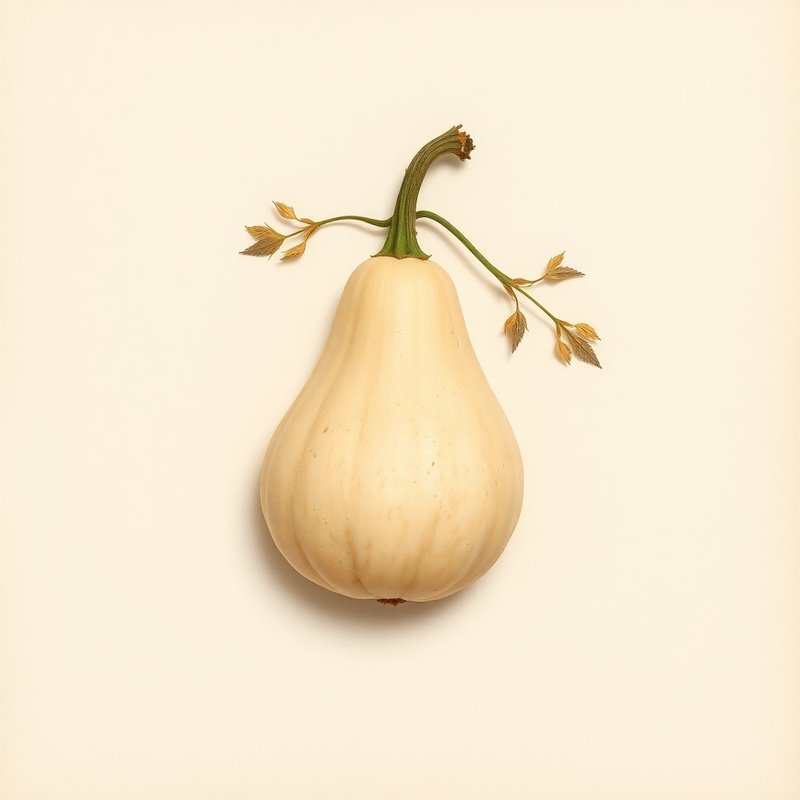
Pl. DB5B — Cucurbita foetidissima
Cucurbita foetidissimaCucurbita foetidissimaCucurbita foetidissimaCucurbita foetidissimaCucurbita foetidissimaCucurbita foetidissimaCucurbita foetidissimaCucurbita foetidissimaCucurbita foetidissimaCucurbita foetidissimaCucurbita foetidissimaCucurbita foetidissimaCucurbita foetidissimaCucurbita foetidissima
IOverview
Overview
Cucurbita foetidissima, commonly known as stinking pumpkin or skunk squash, is a perennial vine native to central and southwestern United States and parts of Mexico. This plant thrives in diverse habitats, from dry to moist areas, often found in full sun to partial shade. It grows well in soil types ranging from light (sandy) to heavy (clay), with an optimal pH between 7 and 8.8. Known for its strong, unpleasant odor, which likely serves as a defense mechanism against herbivores, this vine can reach up to 6 meters in height. Stinking pumpkin is edible, with parts including flowers, fruits, roots, and seeds being utilized. Its distinctive feature—its pungent smell—makes it less desirable for ornamental purposes but an important food source in certain regions. The plant's adaptability extends beyond its native range; it has been introduced into states such as Florida, Germany, Illinois, Indiana, Kentucky, Michigan, Ohio, Virginia, and Wisconsin. For cultivation, this vine thrives in full to partial sun with well-draining soil. It is hardy in zones 9-11 and can grow rapidly under the right conditions. Propagation can be done through seeds or division. While it may have weed potential due to its invasive nature, it remains a valuable resource for those interested in traditional food sources.
Quick answers
What is Cucurbita foetidissima?
Cucurbita foetidissima, commonly known as stinking pumpkin or skunk squash, is a perennial vine native to central and southwestern United States and parts of Mexico. This plant thrives in diverse habitats, from dry to moist areas, often found in full sun to partial shade.
Growingconditions · propagation · uses
VCultivation
Cultivation
Cucurbita foetidissima thrives in full to partial sun and prefers well-draining soil with a pH between 7 and 8.8. It is adaptable to various soil types, including light (sandy), medium, and heavy (clay). This perennial vine requires moist to dry conditions and can grow up to 6 meters tall. For best results, propagate via seed or division. Given its hardiness in zones 9-11, it is well-suited for temperate regions. Harvest the edible parts including flowers, fruit, root, and seeds as needed.
Light
Full sun, Partial sun/shade
Water
Dry, Moist
Soil
Light (sandy), Medium, Heavy (clay)
Hardiness
9-11
Life cycle
Perennial
Habit
Forb/herb, Vine
Mature size
6.0 m tall
Soil pH
7–8.8
For first-time growers
How to grow Cucurbita foetidissima for the first time
7steps
Start with Cucurbita foetidissima as a simple, low-maintenance plant for beginners.
- 1
What you'll need
Seeds or seedlings, a sunny spot in your garden, and basic gardening tools like a trowel.
- 2
Best time to plant
Plant seeds directly outdoors after the last frost, around late spring.
- 3
Soil and container prep
Choose a well-draining soil with a pH between 7 and 8.8. Ensure your garden bed or container is at least 60 cm deep.
- 4
Sowing or transplanting
Direct sow seeds about 5 cm deep, spacing them 1-2 meters apart. Transplant seedlings when they have two true leaves.
- 5
First two weeks
Water regularly to keep the soil moist but not waterlogged. Monitor for pests and diseases.
- 6
Ongoing care
Provide full sun, 6-8 hours daily. Water deeply once a week, adjusting based on rainfall. Fertilize lightly every few months.
- 7
Harvest or pruning
Prune vines to maintain shape and encourage fruiting. Harvest fruits when they are fully colored and firm.
VIEdible & utility
Edible & utility
Edible parts:FlowersFruitRootSeed
Edible uses: Oil
Other uses:Darning ballCraftingoilSoapStarch
Contextrange · companions · related
VIIDistribution
18 native · 9 introduced
Distribution
18 native · 9 introducedDistribution across1 continent· 18 native· 9 introduced
Europe1 region
introduced (1)Germany
Broader regions
native:Arizona, Arkansas, California, Colorado, Iowa, Kansas, Mexico Central, Mexico Northeast, Mexico Northwest, Mexico Southwest, Missouri, Nebraska, Nevada, New Mexico, Oklahoma, Texas, Utah, Wyoming
introduced:Florida, Illinois, Indiana, Kentucky, Michigan, Ohio, Virginia, Wisconsin
IXSpecimen gallery
1 image
Specimen gallery
1 imageXI
Explore further
Companion planting
Growing zone
Native to
XII
About this entry
- Last updated
- Citation
- How to cite this entry · Submit a correction
Back to the cataloguePlant id · db5b53c2-5853-4292-aa80-814ac0ae8088
Decision aid
Choosing between Cucurbita foetidissima and something else?
Continue reading
❦❦❦❦
Endpaper · archive updates
Get archive updates
Occasional email when substantial new content lands — plant profiles, seasonal growing notes, folk-remedy additions. Free, no tracking, unsubscribe anytime.
Newsletter returning soon.
We are rebuilding the update list around a lightweight editorial workflow. New dispatches will resume after the next content review cycle.