
Flatglobe dodder
Cuscuta umbellata
Educational content — not medical, botanical, or professional advice. Plant identification, safety, and edibility depend on local conditions, cultivars, and correct identification. Consult a qualified botanist or forager before consuming or handling wild specimens. How we source & review →
edibleedible
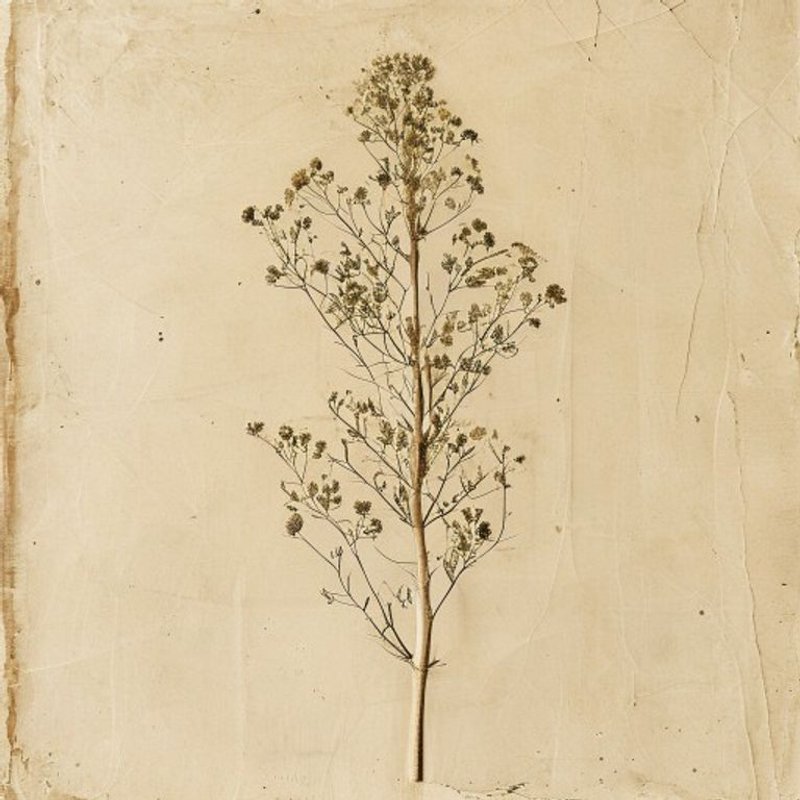
Pl. 70EC — Cuscuta umbellata
Cuscuta umbellataCuscuta umbellataCuscuta umbellataCuscuta umbellataCuscuta umbellataCuscuta umbellataCuscuta umbellataCuscuta umbellataCuscuta umbellataCuscuta umbellataCuscuta umbellataCuscuta umbellataCuscuta umbellataCuscuta umbellata
IOverview
Overview
Flatglobe dodder (Cuscuta umbellata) is a parasitic vine that thrives in various regions including Arizona, Bahamas, Brazil Northeast, Colombia, and Florida. Known for its edible parts, particularly the seeds, this plant can be found growing in habitats with full to partial sun exposure, thriving in moist conditions on light, medium, or heavy soils. Native to several Central American countries like Cuba, Dominican Republic, and Mexico, as well as parts of South America such as Guyana and Venezuela, flatglobe dodder is also common in the southeastern United States, including Florida and Texas. One distinctive feature sets it apart: its ability to form a flat, globe-like structure at certain growth stages, making it easily recognizable among other plants.
Quick answers
What is Flatglobe dodder?
Flatglobe dodder (Cuscuta umbellata) is a parasitic vine that thrives in various regions including Arizona, Bahamas, Brazil Northeast, Colombia, and Florida.
Growingconditions · propagation · uses
VCultivation
Cultivation
Flatglobe dodder thrives in full to partial sun and prefers moist, well-draining soil that can be light (sandy), medium, or heavy (clay). This vine-like forb/herb is hardy in temperate regions and grows best when its edible parts are propagated from seed. Keep the soil consistently moist for optimal growth.
Light
Full sun, Partial sun/shade
Water
Moist
Soil
Light (sandy), Medium, Heavy (clay)
Habit
Vine, Forb/herb
For first-time growers
How to grow Flatglobe dodder for the first time
8steps
Start with Flatglobe dodder as a simple, low-maintenance vine for your beginner garden.
- 1
What you'll need
Seeds or seedlings of Flatglobe dodder.
- 2
Best time to plant
Plant in spring when temperatures are mild and stable.
- 3
Soil and container prep
Use well-draining soil with a mix of light, medium, or heavy texture. Ensure containers have drainage holes.
- 4
Sowing or transplanting
Direct sow seeds in the garden after all danger of frost has passed, or start seedlings indoors and transplant later.
- 5
First two weeks
Keep soil consistently moist but not waterlogged. Provide partial sun to full sun exposure.
- 6
Ongoing care
Water regularly, especially during dry spells. Prune occasionally to maintain shape and health.
- 7
Harvest or pruning
Prune vines as needed for shaping or to control growth. No specific harvest time is given.
- 8
Common mistakes
Overwatering, planting in heavy clay soil without drainage, not providing enough sunlight, and allowing the plant to become too tangled with other plants.
VIEdible & utility
Edible & utility
Edible parts:Seed
Edible uses: The seeds of the Flatglobe dodder are edible and can be consumed raw or cooked. They are sometimes added to dishes for a nutty flavor.
Contextrange · companions · related
VIIDistribution
25 native · 1 introduced
Distribution
25 native · 1 introducedDistribution across2 continents· 25 native· 1 introduced
Americas11 regions
native (11)BahamasColombiaCubaDominican RepublicGuyanaHaitiJamaicaParaguayPuerto RicoSurinameVenezuela
Africa1 region
introduced (1)Cabo Verde
Broader regions
native:Arizona, Brazil Northeast, Colorado, Florida, Leeward Is., Mexico Central, Mexico Gulf, Mexico Northeast, Mexico Northwest, Mexico Southwest, New Mexico, Panamá, Texas, Trinidad-Tobago
IXSpecimen gallery
1 image
Specimen gallery
1 imageXI
Explore further
Companion planting
XII
About this entry
- Last updated
- Citation
- How to cite this entry · Submit a correction
Back to the cataloguePlant id · 70ecb2a9-cb43-4253-a3f4-fb62bdfc0bc5
Decision aid
Choosing between Flatglobe dodder and something else?
Continue reading
❦❦❦❦
Endpaper · archive updates
Get archive updates
Occasional email when substantial new content lands — plant profiles, seasonal growing notes, folk-remedy additions. Free, no tracking, unsubscribe anytime.