
Black Tree Fern
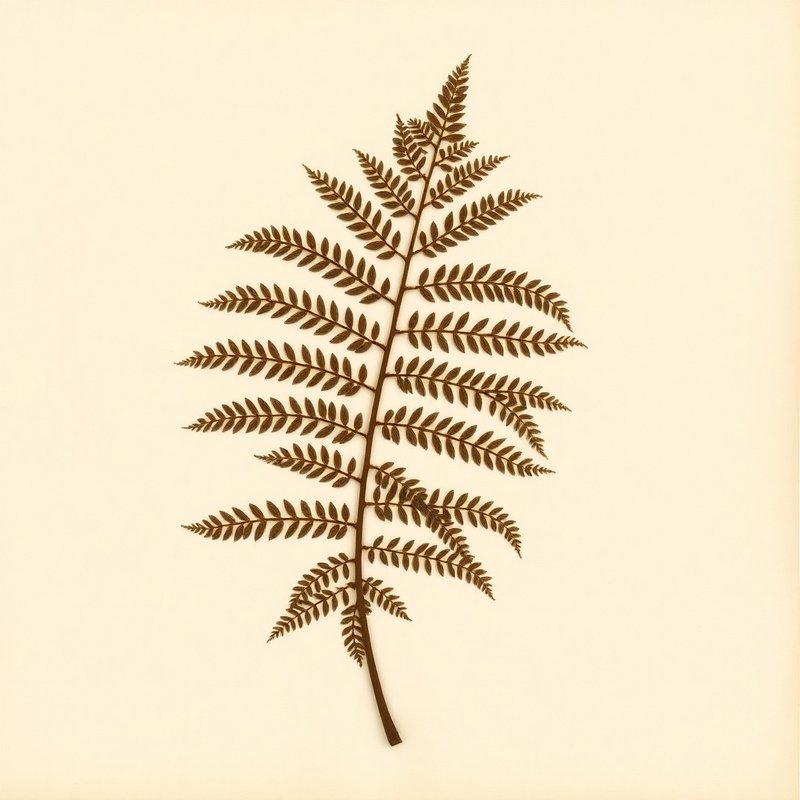
IOverview
Overview
The Black Tree Fern (Cyathea medullaris) is a striking evergreen fern native to several Pacific Islands including Chatham Island, Fiji, Marquesas, New Zealand North and South Islands, Pitcairn Island, Society Islands, Tubuai Island, and Vanuatu. This tree-like fern can grow up to 9 meters tall and thrives in partial sun to shade with moist, wet conditions and light to heavy soil types. It belongs to the Cyatheaceae family and is known for its edible leaves and stems, which are often used in local cuisine. The Black Tree Fern's distinctive feature lies in its ability to form a trunk-like stem, giving it a tree-like appearance while still being classified as a fern. The plant can be propagated through spores or by dividing established plants. It thrives in zones 8-11 and is hardy in these warmer temperate regions. For optimal growth, keep the soil consistently moist to support its partial sun/shade requirements. The Black Tree Fern's edible parts include leaves and stems, which can be prepared in various ways—raw or cooked—and used in salads or as a vegetable side dish. Its introduction into Madeira highlights its adaptability beyond its native range. While not medicinal, the plant is of significant culinary importance to local communities due to its versatile use in traditional dishes.
What is Black Tree Fern?
The Black Tree Fern (Cyathea medullaris) is a striking evergreen fern native to several Pacific Islands including Chatham Island, Fiji, Marquesas, New Zealand North and South Islands, Pitcairn Island, Society Islands, Tubuai Island, and Vanuatu.
VCultivation
Cultivation
How to grow Black Tree Fern for the first time
Start with a simple planting of Black Tree Fern in a moist, well-draining location.
- 1
What you'll need
A young Black Tree Fern plant or ferns, a large pot if container-grown, and suitable soil.
- 2
Best time to plant
Plant in spring when the weather is mild and there's no risk of frost.
- 3
Soil and container prep
Use a well-draining mix with peat moss or leaf mold for moisture retention. Ensure containers have drainage holes.
- 4
Sowing or transplanting
Transplant young ferns into the garden or pot, ensuring roots are not damaged during handling.
- 5
First two weeks
Keep the soil consistently moist and avoid direct sunlight for a couple of weeks to allow the plant to settle.
- 6
Ongoing care
Water regularly, especially in dry periods. Provide partial shade and mulch around the base to retain moisture.
- 7
Harvest or pruning
Prune dead fronds to maintain a neat appearance but avoid cutting into the main stem.
VIEdible & utility
Edible & utility
VIIDistribution
9 native · 1 introduced
Distribution
9 native · 1 introducedIXSpecimen gallery
1 image
Specimen gallery
1 imageExplore further
About this entry
- Last updated
- Citation
- How to cite this entry · Submit a correction
Continue reading
Get archive updates
Occasional email when substantial new content lands — plant profiles, seasonal growing notes, folk-remedy additions. Free, no tracking, unsubscribe anytime.