
Sago Palm
Cycas circinalis
Educational content — not medical, botanical, or professional advice. Plant identification, safety, and edibility depend on local conditions, cultivars, and correct identification. Consult a qualified botanist or forager before consuming or handling wild specimens. How we source & review →
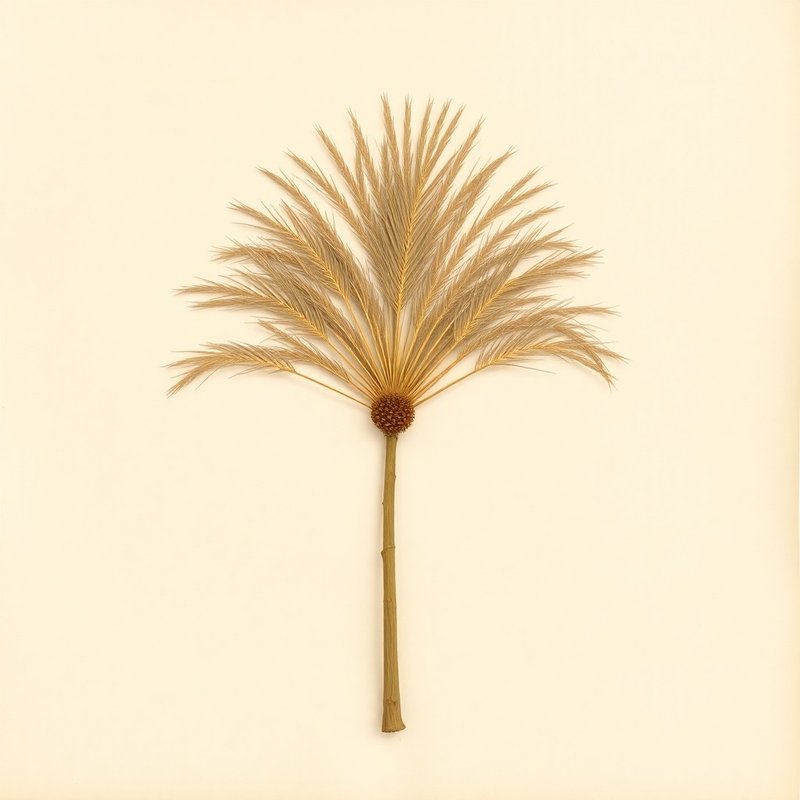
Pl. B30A — Cycas circinalis
Cycas circinalisCycas circinalisCycas circinalisCycas circinalisCycas circinalisCycas circinalisCycas circinalisCycas circinalisCycas circinalisCycas circinalisCycas circinalisCycas circinalisCycas circinalisCycas circinalis
IOverview
Overview
Sago Palm (Cycas circinalis) is a tree-like plant native to India and known for its ornamental value as well as its edible parts. This slow-growing cycad thrives in full sun with both dry and moist conditions, making it adaptable to various soil types including medium and heavy clay soils. It can reach a height of 3.5 meters and is hardy in zones 10-11. The plant's leaves, stem, and seeds are edible, adding a unique ingredient to culinary dishes. One distinctive feature of the Sago Palm is its fan-shaped leaves that give it an elegant appearance, making it a popular choice for gardens and landscapes.
Quick answers
What is Sago Palm?
Sago Palm (Cycas circinalis) is a tree-like plant native to India and known for its ornamental value as well as its edible parts. This slow-growing cycad thrives in full sun with both dry and moist conditions, making it adaptable to various soil types including medium and heavy clay soils.
Growingconditions · propagation · uses
VCultivation
Cultivation
Sago Palm thrives in full sun and prefers well-drained to heavy clay soil. It is moderately drought-tolerant but benefits from moist conditions during the growing season. This plant can grow up to 3.5 meters tall and is hardy in temperate regions with a minimum temperature range of 10-11 degrees Celsius. Propagate through seeds or by dividing the roots, as it grows slowly into a tree-like shrub. Harvest edible parts such as leaves, seed, and stem for culinary use.
Light
Full sun
Water
Dry, Moist
Soil
Medium, Heavy (clay)
Hardiness
10-11
Habit
Tree, Shrub
Mature size
3.5 m tall
For first-time growers
How to grow Sago Palm for the first time
8steps
Start with a Sago Palm as your first plant and focus on basic care.
- 1
What you'll need
A young Sago Palm, potting mix suitable for cacti or succulents, a container with drainage holes.
- 2
Best time to plant
Plant in spring when the weather is warming up and there's no risk of frost.
- 3
Soil and container prep
Use a well-draining potting mix. Ensure your container has adequate drainage holes.
- 4
Sowing or transplanting
Transplant from a nursery pot to a larger one, keeping the plant at the same depth as it was in its original pot.
- 5
First two weeks
Water sparingly but thoroughly. Avoid direct sunlight for the first week and gradually increase exposure over 10 days.
- 6
Ongoing care
Place your Sago Palm in a sunny spot, water when soil feels dry to touch, and fertilize once a year with a balanced fertilizer.
- 7
Harvest or pruning
Prune dead fronds to maintain the plant's appearance. Harvest seeds if you want to propagate more plants.
- 8
Common mistakes
Overwatering, placing in full sun immediately after planting, using regular potting soil instead of well-draining mix.
VIEdible & utility
Edible & utility
Edible parts:LeavesSeedStem
Edible uses: Gum
Other uses:GumNitrogen fixer
Contextrange · companions · related
VIIDistribution
1 native · 0 introduced
Distribution
1 native · 0 introducedDistribution across1 continent· 1 native
Asia1 region
native (1)India
IXSpecimen gallery
1 image
Specimen gallery
1 imageXI
Explore further
Companion planting
Growing zone
XII
About this entry
- Last updated
- Citation
- How to cite this entry · Submit a correction
Back to the cataloguePlant id · b30a97a2-c120-4b80-b23f-0381c83b2a28
Decision aid
Choosing between Sago Palm and something else?
Continue reading
❦❦❦❦
Endpaper · archive updates
Get archive updates
Occasional email when substantial new content lands — plant profiles, seasonal growing notes, folk-remedy additions. Free, no tracking, unsubscribe anytime.