
Fendler's Flatsedge
IOverview
Overview
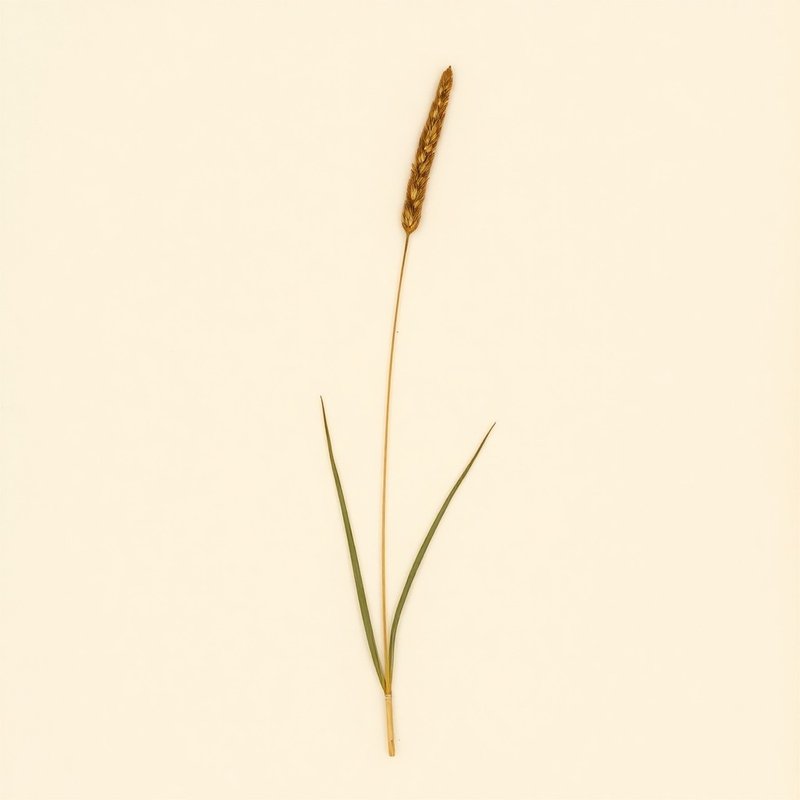
Fendler's Flatsedge (Cyperus fendlerianus) is a perennial graminoid native to the arid and semi-arid regions of Arizona, Colorado, New Mexico, Texas, and parts of Mexico. Thriving in moist to wet environments, this plant can grow up to 1.5 meters tall and prefers light (sandy) or medium soils. Known for its edible roots, Fendler's Flatsedge is a valuable resource in local ecosystems and has been utilized by indigenous communities for sustenance. Its distinctive feature lies in its ability to withstand full sun while thriving in wet conditions, making it an interesting subject for botanical studies. The plant's roots can be eaten raw or cooked, with boiling often used to make them more palatable. Fendler's Flatsedge is also known for its utility as a weaving material, adding to its cultural and practical significance. While not medicinal, the plant's use in traditional practices highlights its importance in the native regions where it grows. This versatile plant is well-suited for areas with adequate drainage and can be propagated through root cuttings or division methods.
What is Fendler's Flatsedge?
Fendler's Flatsedge (Cyperus fendlerianus) is a perennial graminoid native to the arid and semi-arid regions of Arizona, Colorado, New Mexico, Texas, and parts of Mexico. Thriving in moist to wet environments, this plant can grow up to 1.5 meters tall and prefers light (sandy) or medium soils.
VCultivation
Cultivation
How to grow Fendler's Flatsedge for the first time
Start with Fendler's Flatsedge by ensuring you have the right conditions and basic care.
- 1
What you'll need
A container or garden bed, seeds or small plants.
- 2
Best time to plant
Plant in spring when temperatures are mild.
- 3
Soil and container prep
Use light soil with good drainage. Ensure containers have holes for water to escape.
- 4
Sowing or transplanting
Direct sow seeds in the ground or start them indoors before transplanting.
- 5
First two weeks
Keep the soil moist and provide full sun exposure.
- 6
Ongoing care
Water regularly, especially during dry spells. Prune dead foliage to maintain health.
- 7
Harvest or pruning
Prune dead leaves to keep the plant looking tidy but avoid cutting into live growth.
- 8
Common mistakes
Overwatering, planting in heavy soil, and not providing enough sunlight are common issues.
VIEdible & utility
Edible & utility
VIIDistribution
10 native · 0 introduced
Distribution
10 native · 0 introducedIXSpecimen gallery
1 image
Specimen gallery
1 imageExplore further
About this entry
- Last updated
- Citation
- How to cite this entry · Submit a correction
Continue reading
Get archive updates
Occasional email when substantial new content lands — plant profiles, seasonal growing notes, folk-remedy additions. Free, no tracking, unsubscribe anytime.