
Galingale
Cyperus longus
Educational content — not medical, botanical, or professional advice. Plant identification, safety, and edibility depend on local conditions, cultivars, and correct identification. Consult a qualified botanist or forager before consuming or handling wild specimens. How we source & review →
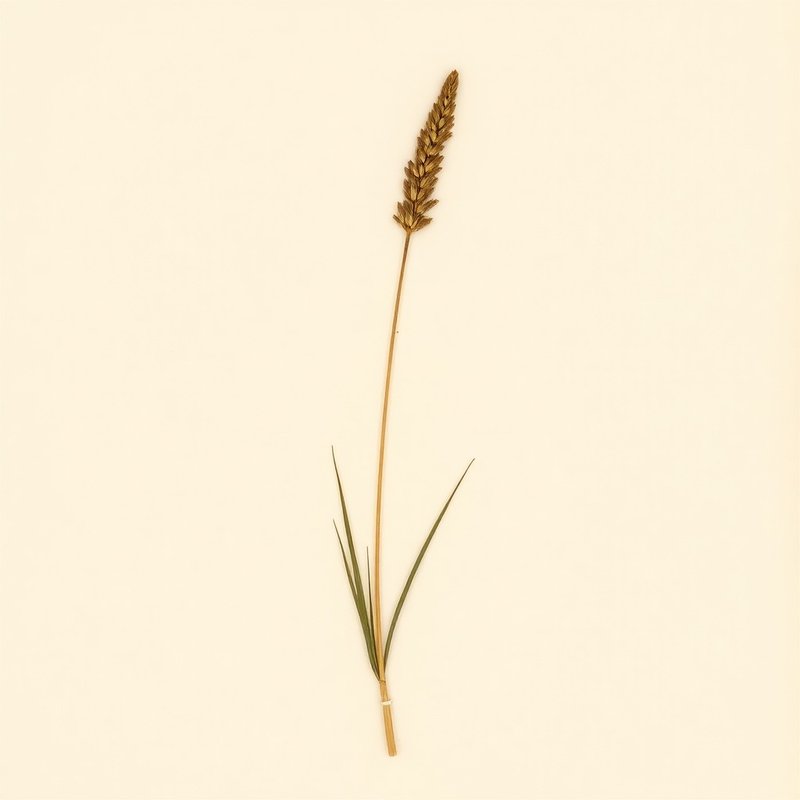
Pl. 10D4 — Cyperus longus
Cyperus longusCyperus longusCyperus longusCyperus longusCyperus longusCyperus longusCyperus longusCyperus longusCyperus longusCyperus longusCyperus longusCyperus longusCyperus longusCyperus longus
IOverview
Overview
Galingale, scientifically known as Cyperus longus, is a perennial plant native to regions including Benin, Botswana, Burkina Faso, and other countries in Africa. It thrives in moist or wet environments with light sandy, medium, or clay soils, and can grow up to 1.2 meters tall. Galingale is widely recognized for its edible roots, which are used in various culinary applications. This plant has a broad native range extending from Egypt and Ethiopia to Zimbabwe, making it adaptable to diverse climates within its habitat. One distinctive feature of galingale is its preference for full sun and moist conditions, contributing to its successful growth in many parts of Africa.
Quick answers
What is Galingale?
Galingale, scientifically known as Cyperus longus, is a perennial plant native to regions including Benin, Botswana, Burkina Faso, and other countries in Africa. It thrives in moist or wet environments with light sandy, medium, or clay soils, and can grow up to 1.
Growingconditions · propagation · uses
VCultivation
Cultivation
Galingale thrives in full sun and prefers moist to wet soil, making it suitable for areas with high humidity or near water sources. It grows well in light (sandy), medium, and heavy (clay) soils. Hardy from zones 6-9, this perennial can reach a height of 1.2 meters. For propagation, gardeners can divide the rhizomes in spring to encourage new growth. Harvest the edible root parts when mature for culinary use.
Light
Full sun
Water
Moist, Wet, water
Soil
Light (sandy), Medium, Heavy (clay)
Hardiness
6-9
Life cycle
Perennial
Mature size
1.2 m tall
For first-time growers
How to grow Galingale for the first time
8steps
Start with a simple, moist environment and plenty of sunlight for Galingale.
- 1
What you'll need
A container or garden bed, seeds or young plants, potting soil, water.
- 2
Best time to plant
Plant in spring when the last frost has passed and temperatures are warm.
- 3
Soil and container prep
Use a well-draining mix with light (sandy), medium, or heavy clay soil. Ensure good drainage if using a container.
- 4
Sowing or transplanting
Plant seeds 2-3 cm deep in moist soil. Transplant young plants at the same depth they were growing.
- 5
First two weeks
Keep the soil consistently moist and provide full sun exposure to help establish roots.
- 6
Ongoing care
Water regularly, especially during dry spells, and ensure the plant gets plenty of sunlight. Fertilize sparingly with a balanced fertilizer.
- 7
Harvest or pruning
Prune dead foliage in late winter to maintain the plant's health and appearance.
- 8
Common mistakes
Overwatering, planting too deep, neglecting to prune, not providing enough sunlight, using heavy clay soil without drainage.
VIEdible & utility
Edible & utility
Edible parts:Root
Edible uses: Condiment
Other uses:Weaving materialEssential OiltextilesFragrance
Contextrange · companions · related
VIIDistribution
30 native · 0 introduced
Distribution
30 native · 0 introducedDistribution across1 continent· 30 native
Africa25 regions
native (25)BotswanaBurkina FasoBurundiCameroonChadCôte d'IvoireEgyptEthiopiaGabonGhanaGuineaGuinea-BissauKenyaMadagascarMalawiMaliMauritaniaMauritiusNigerNigeriaRwandaSenegalSeychellesSierra LeoneSomalia
Broader regions
native:Congo, Central African Repu, KwaZulu-Natal, Zaïre, Northern Provinces
IXSpecimen gallery
1 image
Specimen gallery
1 imageXI
Explore further
Companion planting
Growing zone
XII
About this entry
- Last updated
- Citation
- How to cite this entry · Submit a correction
Back to the cataloguePlant id · 10d4c454-b661-486d-a4a0-73562b4270b0
Decision aid
Choosing between Galingale and something else?
Continue reading
❦❦❦❦
Endpaper · archive updates
Get archive updates
Occasional email when substantial new content lands — plant profiles, seasonal growing notes, folk-remedy additions. Free, no tracking, unsubscribe anytime.