
Papyrus Papyrus sedge
Cyperus papyrus
Educational content — not medical, botanical, or professional advice. Plant identification, safety, and edibility depend on local conditions, cultivars, and correct identification. Consult a qualified botanist or forager before consuming or handling wild specimens. How we source & review →
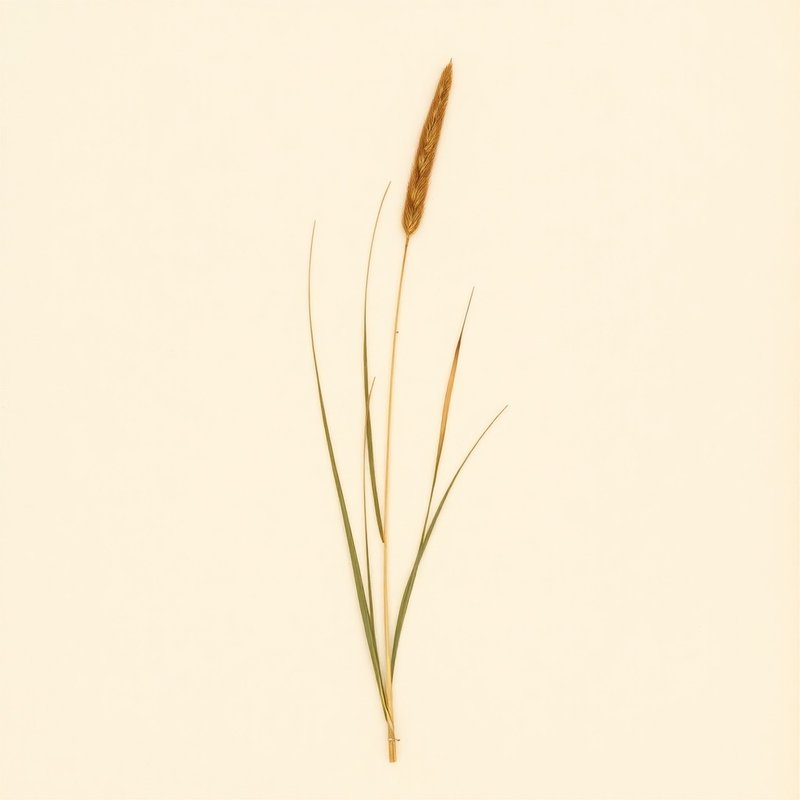
Pl. 7953 — Cyperus papyrus
Cyperus papyrusCyperus papyrusCyperus papyrusCyperus papyrusCyperus papyrusCyperus papyrusCyperus papyrusCyperus papyrusCyperus papyrusCyperus papyrusCyperus papyrusCyperus papyrusCyperus papyrusCyperus papyrus
IOverview
Overview
Papyrus Papyrus sedge (Cyperus papyrus) is a tall perennial graminoid native to regions across Africa and the Middle East, including Angola, Benin, Botswana, Burundi, and Egypt. Known for its ornamental value and historical significance, this plant thrives in wet environments with light to heavy soil types, preferring a pH between 7 and 7.5. Its edible parts—roots and stems—are utilized for various purposes. Papyrus is recognized for its distinctive large, triangular leaves that can grow up to five meters tall, making it a striking addition to any water garden or wetland ecosystem.
Quick answers
What is Papyrus Papyrus sedge?
Papyrus Papyrus sedge (Cyperus papyrus) is a tall perennial graminoid native to regions across Africa and the Middle East, including Angola, Benin, Botswana, Burundi, and Egypt.
Growingconditions · propagation · uses
VCultivation
Cultivation
Papyrus papyrus thrives in wet conditions and prefers light to heavy soils with a pH between 7 and 7.5. It requires plenty of sunlight but can tolerate some shade. This perennial grows up to 5 meters tall and is best propagated by division or seed. Given its hardiness from zones 9-12, it is suitable for temperate regions. Harvest the edible root and stem parts for culinary use. Ensure consistent moisture as this plant needs a consistently wet environment to flourish.
Light
9/10
Water
Wet, Water
Soil
Light (sandy), Medium, Heavy (clay)
Hardiness
9-12
Life cycle
Perennial
Habit
Graminoid
Mature size
5.0 m tall
Soil pH
7–7.5
For first-time growers
How to grow Papyrus Papyrus sedge for the first time
8steps
Start with a simple potted setup for this beginner-friendly plant.
- 1
What you'll need
A container, potting soil, and a young papyrus plant.
- 2
Best time to plant
Plant in spring when temperatures are consistently above 15°C (60°F).
- 3
Soil and container prep
Use a well-draining pot with holes at the bottom. Fill it with soil that is slightly acidic, pH 7–7.5.
- 4
Sowing or transplanting
Transplant young plants from nurseries into your prepared container.
- 5
First two weeks
Keep the plant in a bright spot but avoid direct sunlight for the first few days. Water regularly to keep the soil moist.
- 6
Ongoing care
Place papyrus in a sunny location, water when the top inch of soil feels dry, and fertilize once every two months with a balanced fertilizer.
- 7
Harvest or pruning
Prune dead leaves to maintain the plant's appearance. Harvest roots if needed for culinary use.
- 8
Common mistakes
Overwatering, placing in full sun, and using incorrect soil pH are common issues beginners face.
VIEdible & utility
Edible & utility
Edible parts:RootStem
Edible uses: The papyrus plant (Cyperus papyrus) is edible and its root and stem can be eaten. The roots are typically dug up and consumed raw or cooked. The stems can also be prepared in similar manners, providing a source of nutrition from this perennial plant.
Contextrange · companions · related
VIIDistribution
30 native · 0 introduced
Distribution
30 native · 0 introducedDistribution across2 continents· 30 native
Asia1 region
native (1)Palestine
Africa22 regions
native (22)AngolaBeninBotswanaBurundiChadCôte d'IvoireEgyptEthiopiaGabonGambiaGuineaLiberiaMadagascarMozambiqueNigeriaRwandaSenegalSudanTanzaniaUgandaZambiaZimbabwe
Broader regions
native:Northern Provinces, Zaïre, KwaZulu-Natal, Cape Provinces, Caprivi Strip, Central African Repu, Congo
IXSpecimen gallery
1 image
Specimen gallery
1 imageXI
Explore further
Companion planting
Growing zone
XII
About this entry
- Last updated
- Citation
- How to cite this entry · Submit a correction
Back to the cataloguePlant id · 79538a99-ad95-4727-b388-4b750b044737
Decision aid
Choosing between Papyrus Papyrus sedge and something else?
Continue reading
❦❦❦❦
Endpaper · archive updates
Get archive updates
Occasional email when substantial new content lands — plant profiles, seasonal growing notes, folk-remedy additions. Free, no tracking, unsubscribe anytime.