
Nut Grass
Cyperus rotundus
Educational content — not medical, botanical, or professional advice. Plant identification, safety, and edibility depend on local conditions, cultivars, and correct identification. Consult a qualified botanist or forager before consuming or handling wild specimens. How we source & review →
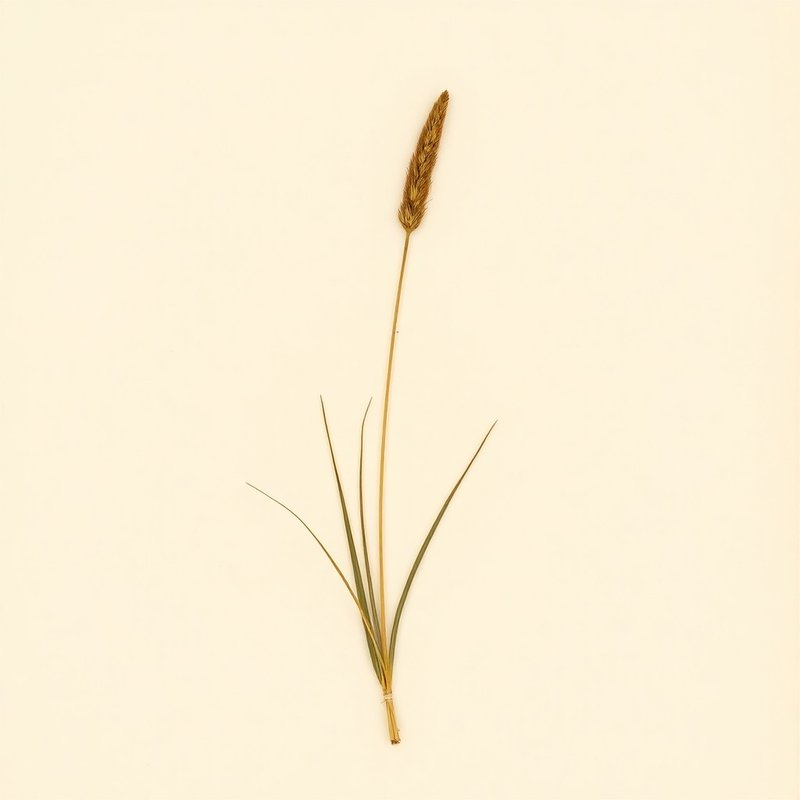
Pl. 0EB7 — Cyperus rotundus
Cyperus rotundusCyperus rotundusCyperus rotundusCyperus rotundusCyperus rotundusCyperus rotundusCyperus rotundusCyperus rotundusCyperus rotundusCyperus rotundusCyperus rotundusCyperus rotundusCyperus rotundusCyperus rotundus
IOverview
Overview
Nut Grass (Cyperus rotundus) is a perennial graminoid native to regions including Afghanistan, Albania, and Algeria. This plant thrives in moist to wet soils with a pH between 6.5 and 7, making it adaptable to light (sandy) and medium soil types. Known for its edible roots and seeds, Nut Grass can grow up to 0.6 meters tall. Its native range extends across numerous countries in Africa, Asia, and Europe, highlighting its widespread adaptability. One distinctive feature is its tendency to spread aggressively through underground rhizomes, forming dense mats that can be challenging to control.
Quick answers
What is Nut Grass?
Nut Grass (Cyperus rotundus) is a perennial graminoid native to regions including Afghanistan, Albania, and Algeria. This plant thrives in moist to wet soils with a pH between 6.5 and 7, making it adaptable to light (sandy) and medium soil types.
Growingconditions · propagation · uses
VCultivation
Cultivation
Nut Grass, a perennial graminoid with a light requirement of 8/10, thrives in moist to wet conditions and prefers light (sandy) or medium soils. It is hardy in temperate regions but can be found across a wide range of habitats from Afghanistan to Zimbabwe. For cultivation, ensure the soil pH is between 6.5 and 7. Propagate through root or seed. Harvest edible parts such as roots and seeds.
Light
8/10
Water
Moist, Wet
Soil
Light (sandy), Medium
Life cycle
Perennial
Habit
Graminoid
Mature size
0.6 m tall
Soil pH
6.5–7
For first-time growers
How to grow Nut Grass for the first time
8steps
Nut Grass is a forgiving plant for beginners, making it an excellent choice for your first gardening project.
- 1
What you'll need
A small container or garden bed, seeds or root pieces, and some potting soil.
- 2
Best time to plant
Plant Nut Grass in spring when the weather starts warming up.
- 3
Soil and container prep
Use a well-draining potting mix with a pH between 6.5 and 7, ensuring good drainage.
- 4
Sowing or transplanting
Plant seeds about 1 cm deep or root pieces 2-3 cm apart in the soil.
- 5
First two weeks
Keep the soil moist but not waterlogged. Place the container in a sunny spot.
- 6
Ongoing care
Water when the top inch of soil feels dry, and ensure it gets at least 6 hours of sunlight daily.
- 7
Harvest or pruning
Prune any dead or yellowing leaves to keep the plant healthy. Harvest roots in late summer for culinary use.
- 8
Common mistakes
Overwatering, planting too deep, and not providing enough sunlight are common pitfalls.
VIEdible & utility
Edible & utility
Edible parts:RootSeed
Edible uses: The Nut Grass plant is edible and its root and seed are consumed. Typically, the roots can be eaten raw or cooked, while seeds might be used in various preparations as well. The plant thrives in moist, light to medium soil with a pH of 6.5–7.
Other uses:Essential OilWeaving materialFragrance
Contextrange · companions · related
VIIDistribution
30 native · 0 introduced
Distribution
30 native · 0 introducedDistribution across3 continents· 30 native
Europe6 regions
native (6)AlbaniaAustriaBulgariaFrancePortugalSpain
Asia4 regions
native (4)AfghanistanCambodiaChinaIndia
Africa9 regions
native (9)AlgeriaAngolaBeninBurkina FasoBurundiCabo VerdeCameroonChadComoros
Broader regions
native:Aldabra, Andaman Is., Borneo, Caprivi Strip, Caroline Is., Central African Repu, Chagos Archipelago, Congo
IXSpecimen gallery
1 image
Specimen gallery
1 imageXI
Explore further
Companion planting
XII
About this entry
- Last updated
- Citation
- How to cite this entry · Submit a correction
Back to the cataloguePlant id · 0eb7a9ed-1ece-4fa4-893a-2f3337e1c5bc
Decision aid
Choosing between Nut Grass and something else?
Continue reading
❦❦❦❦
Endpaper · archive updates
Get archive updates
Occasional email when substantial new content lands — plant profiles, seasonal growing notes, folk-remedy additions. Free, no tracking, unsubscribe anytime.