
Spotted Orchid
Dactylorhiza maculata
Educational content — not medical, botanical, or professional advice. Plant identification, safety, and edibility depend on local conditions, cultivars, and correct identification. Consult a qualified botanist or forager before consuming or handling wild specimens. How we source & review →
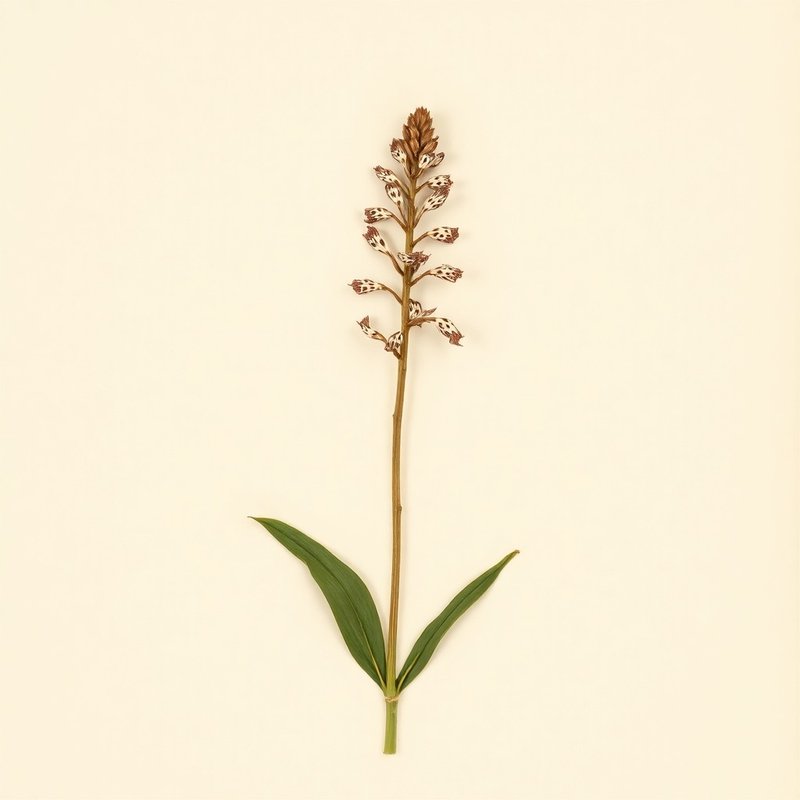
Pl. 244D — Dactylorhiza maculata
Dactylorhiza maculataDactylorhiza maculataDactylorhiza maculataDactylorhiza maculataDactylorhiza maculataDactylorhiza maculataDactylorhiza maculataDactylorhiza maculataDactylorhiza maculataDactylorhiza maculataDactylorhiza maculataDactylorhiza maculataDactylorhiza maculataDactylorhiza maculata
IOverview
Overview
The Spotted Orchid (Dactylorhiza maculata) is a perennial plant known for its ornamental value and edibility. Native to Europe, Asia, and North Africa, it thrives in moist, light to heavy soil with a pH between 5.5 and 6.5. This orchid can be found across a wide range of countries including Albania, Austria, Belgium, Bulgaria, and many others listed above. Its edible roots make it a valuable forage plant. One distinctive feature is its light, airy appearance; the plant grows to about 0.6 meters in height and has a hardiness rating of 4-8, making it adaptable to various climates within its native range.
Quick answers
What is Spotted Orchid?
The Spotted Orchid (Dactylorhiza maculata) is a perennial plant known for its ornamental value and edibility. Native to Europe, Asia, and North Africa, it thrives in moist, light to heavy soil with a pH between 5.5 and 6.5.
Growingconditions · propagation · uses
VCultivation
Cultivation
Spotted Orchid thrives in moist conditions and prefers light (sandy), medium, or heavy (clay) soils with a pH between 5.5 and 6.5. It requires partial to full sunlight, with a light requirement of 7/10. The plant is hardy in temperate regions, specifically zones 4-8. For propagation, focus on root division or seed sowing. Harvest edible roots for culinary use.
Light
7/10
Water
Moist
Soil
Light (sandy), Medium, Heavy (clay)
Hardiness
4-8
Mature size
0.6 m tall
Soil pH
5.5–6.5
Seasonal calendar
Northern hemisphere · UTC month is September
winterspringsummerautumnwinter
BloomJFMAMJJASOND
For first-time growers
How to grow Spotted Orchid for the first time
7steps
Start with basic care and focus on creating the right growing conditions for your Spotted Orchid.
- 1
What you'll need
A pot, quality potting mix suitable for orchids, a watering can or spray bottle.
- 2
Best time to plant
Plant in spring when the weather starts warming up.
- 3
Soil and container prep
Use a well-draining mix with a pH of 5.5–6.5, ensuring good drainage holes in your pot.
- 4
Sowing or transplanting
Transplant young plants from the wild only if legally allowed; otherwise, purchase from a reputable nursery.
- 5
First two weeks
Keep the soil moist but not waterlogged. Avoid direct sunlight and place in bright indirect light.
- 6
Ongoing care
Water when the top layer of soil feels dry, ensuring good drainage to avoid root rot. Fertilize sparingly with a balanced orchid fertilizer.
- 7
Harvest or pruning
Prune dead flowers and leaves to maintain plant health but do not harvest roots as they are not edible.
VIEdible & utility
Edible & utility
Edible parts:Root
Edible uses: The Spotted Orchid's root is edible and can be prepared in various ways. Typically, the roots are dug up and either eaten raw or cooked. They may also be dried for later use. Skip processing them into a tea.
Contextrange · companions · related
VIIDistribution
30 native · 0 introduced
Distribution
30 native · 0 introducedDistribution across3 continents· 30 native
Europe16 regions
native (16)AustriaBelarusBelgiumBulgariaDenmarkFinlandFranceGermanyGreeceHungaryIcelandIrelandItalyNetherlandsRussiaUnited Kingdom
Asia1 region
native (1)Mongolia
Africa2 regions
native (2)AlgeriaMorocco
Broader regions
native:Altay, Baltic States, Buryatiya, Chita, Czechoslovakia, Føroyar, Irkutsk, Krasnoyarsk
IXSpecimen gallery
1 image
Specimen gallery
1 imageXI
Explore further
Companion planting
Growing zone
XII
About this entry
- Last updated
- Citation
- How to cite this entry · Submit a correction
Back to the cataloguePlant id · 244d5601-76e2-4c1a-9973-dc8550086c1f
Decision aid
Choosing between Spotted Orchid and something else?
Continue reading
❦❦❦❦
Endpaper · archive updates
Get archive updates
Occasional email when substantial new content lands — plant profiles, seasonal growing notes, folk-remedy additions. Free, no tracking, unsubscribe anytime.