
Dahlia
Dahlia rosea
Educational content — not medical, botanical, or professional advice. Plant identification, safety, and edibility depend on local conditions, cultivars, and correct identification. Consult a qualified botanist or forager before consuming or handling wild specimens. How we source & review →
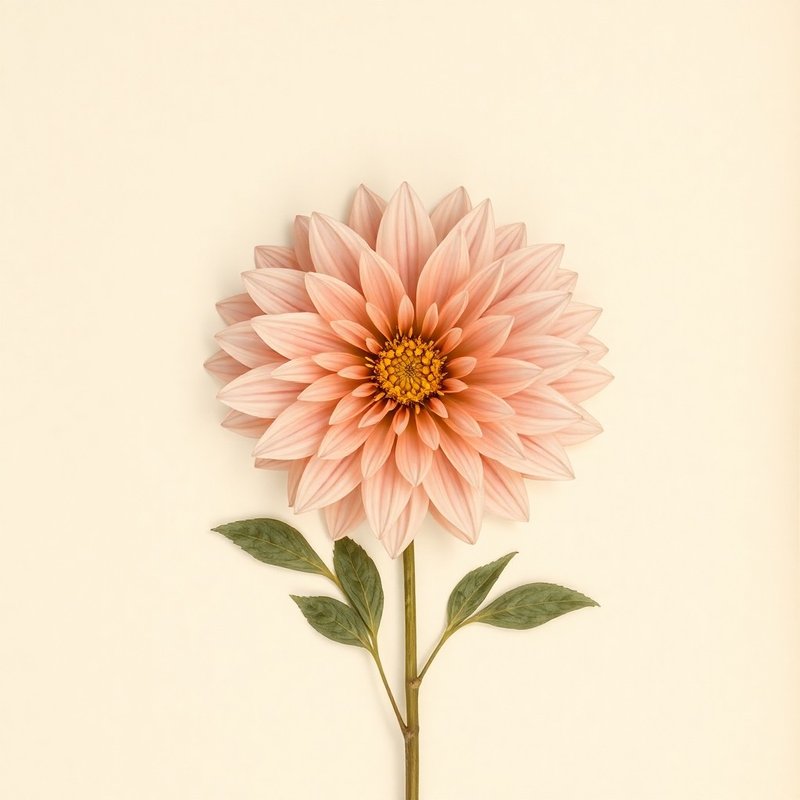
Pl. 188B — Dahlia rosea
Dahlia roseaDahlia roseaDahlia roseaDahlia roseaDahlia roseaDahlia roseaDahlia roseaDahlia roseaDahlia roseaDahlia roseaDahlia roseaDahlia roseaDahlia roseaDahlia rosea
IOverview
Overview
Dahlia rosea, a member of the Asteraceae family, is an ornamental perennial native to Mexico's central and northeastern regions. Known for its light-loving nature, this dahlia thrives in moist soil that can range from sandy to heavy clay, making it adaptable to various conditions. Standing at 1.5 meters tall, it features distinctive large, showy flowers that add vibrant color to gardens. While primarily cultivated for its ornamental value, Dahlia rosea is also edible, with both its roots and flowers being used in culinary applications.
Quick answers
What is Dahlia?
Dahlia rosea, a member of the Asteraceae family, is an ornamental perennial native to Mexico's central and northeastern regions. Known for its light-loving nature, this dahlia thrives in moist soil that can range from sandy to heavy clay, making it adaptable to various conditions.
Growingconditions · propagation · uses
VCultivation
Cultivation
Dahlias thrive in full sun and require moist soil that can be light (sandy), medium, or heavy (clay). They are hardy in zones 8-11 and grow to a height of about 1.5 meters as perennials. Propagation is best done through tuberous roots. Skip if you're outside the recommended zone for this plant.
Light
Full sun
Water
Moist
Soil
Light (sandy), Medium, Heavy (clay)
Hardiness
8-11
Life cycle
Perennial
Habit
Forb/herb
Mature size
1.5 m tall
For first-time growers
How to grow Dahlia for the first time
8steps
Start with a simple dahlia planting to experience growing this vibrant flower.
- 1
What you'll need
Dahlia tubers, gardening gloves, a trowel, and a watering can.
- 2
Best time to plant
Plant in spring after the last frost, when soil has warmed.
- 3
Soil and container prep
Choose well-draining soil with plenty of organic matter. Ensure containers have drainage holes.
- 4
Sowing or transplanting
Place tubers 5-10 cm deep in the soil, spaced about 30 cm apart. Water gently after planting.
- 5
First two weeks
Keep soil consistently moist but not waterlogged during this critical period.
- 6
Ongoing care
Water regularly to maintain moisture levels. Fertilize every four weeks with a balanced fertilizer.
- 7
Harvest or pruning
Prune spent blooms to encourage more flowering and remove dead leaves for better plant health.
- 8
Common mistakes
Planting too deep, overwatering, neglecting fertilization, not providing enough sunlight, and failing to prune regularly.
VIEdible & utility
Edible & utility
Edible parts:FlowersRoot
Edible uses: Condiment, Sweetener
Other uses:Dye
Contextrange · companions · related
VIIDistribution
4 native · 26 introduced
Distribution
4 native · 26 introducedDistribution across5 continents· 4 native· 26 introduced
Europe6 regions
introduced (6)BulgariaFranceGermanyHungaryUkraineUnited Kingdom
Asia2 regions
introduced (2)MyanmarNepal
Americas8 regions
introduced (8)ColombiaCosta RicaCubaEcuadorGuatemalaHondurasNicaraguaPuerto Rico
Africa2 regions
introduced (2)CameroonEthiopia
Oceania1 region
introduced (1)Fiji
Broader regions
native:Mexico Southwest, Mexico Gulf, Mexico Northeast, Mexico Central
introduced:Cook Is., East Himalaya, Leeward Is., Mexico Southeast, Panamá, Tadzhikistan, Transcaucasus
IXSpecimen gallery
1 image
Specimen gallery
1 imageXI
Explore further
Companion planting
Growing zone
XII
About this entry
- Last updated
- Citation
- How to cite this entry · Submit a correction
Back to the cataloguePlant id · 188be386-5348-4692-b577-082b02354a6e
Decision aid
Choosing between Dahlia and something else?
Continue reading
❦❦❦❦
Endpaper · archive updates
Get archive updates
Occasional email when substantial new content lands — plant profiles, seasonal growing notes, folk-remedy additions. Free, no tracking, unsubscribe anytime.