
Daniellia oliveri
Daniellia oliveri
Educational content — not medical, botanical, or professional advice. Plant identification, safety, and edibility depend on local conditions, cultivars, and correct identification. Consult a qualified botanist or forager before consuming or handling wild specimens. How we source & review →
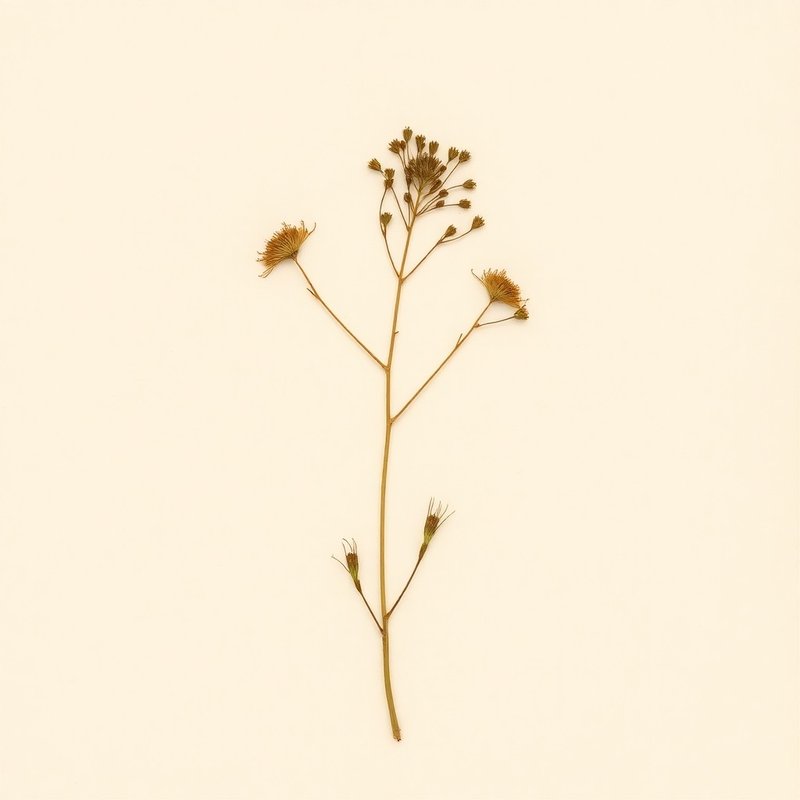
Pl. 02D1 — Daniellia oliveri
Daniellia oliveriDaniellia oliveriDaniellia oliveriDaniellia oliveriDaniellia oliveriDaniellia oliveriDaniellia oliveriDaniellia oliveriDaniellia oliveriDaniellia oliveriDaniellia oliveriDaniellia oliveriDaniellia oliveriDaniellia oliveri
IOverview
Overview
Daniellia oliveri, a member of the Caesalpinioideae subfamily, is an evergreen tree native to West and Central Africa, ranging from Benin to Uganda. Known for its edible leaves, this tree thrives in moist environments with light to medium soil types, tolerating both sandy and clay soils. It requires full sun and grows up to 25 meters tall. While widely distributed across several countries, it is native to Benin, Burkina Faso, Cameroon, Central African Republic, Chad, Gambia, Ghana, Guinea, and Sierra Leone. Its adaptability makes it a valuable addition to landscapes in suitable climates.
Quick answers
What is Daniellia oliveri?
Daniellia oliveri, a member of the Caesalpinioideae subfamily, is an evergreen tree native to West and Central Africa, ranging from Benin to Uganda. Known for its edible leaves, this tree thrives in moist environments with light to medium soil types, tolerating both sandy and clay soils.
Growingconditions · propagation · uses
VCultivation
Cultivation
Daniellia oliveri thrives in full sun and prefers moist soil that is well-drained but can tolerate light (sandy), medium, or heavy (clay) types. It grows to a height of 25 meters and is hardy in zones 10-12. For cultivation, ensure the plant receives ample sunlight and maintains consistent moisture levels. Propagation can be achieved through seeds or cuttings. The leaves are edible but note that the plant's native range includes tropical regions, so it may require specific care outside of its natural habitat to mimic those conditions.
Light
Full sun
Water
Moist
Soil
Light (sandy), Medium, Heavy (clay)
Hardiness
10-12
Mature size
25.0 m tall
For first-time growers
How to grow Daniellia oliveri for the first time
8steps
Start with planting Daniellia oliveri in a sunny spot and follow these beginner-friendly steps.
- 1
What you'll need
A young Daniellia oliveri sapling, well-draining soil, and a large container or garden space.
- 2
Best time to plant
Plant in spring when the weather is warming up after the last frost.
- 3
Soil and container prep
Ensure the soil is light (sandy), medium, or heavy with good drainage. Amend with compost if necessary.
- 4
Sowing or transplanting
Transplant a young sapling from a nursery pot to your prepared garden bed or large container.
- 5
First two weeks
Water regularly to keep the soil moist but not waterlogged. Monitor for any signs of stress or pests.
- 6
Ongoing care
Provide full sun and regular watering, especially during dry spells. Fertilize lightly in spring with a balanced organic fertilizer.
- 7
Harvest or pruning
Prune to maintain shape and remove any dead or diseased branches as needed. Leaves can be harvested for culinary use if desired.
- 8
Common mistakes
Overwatering, planting in heavy clay soil, neglecting sun exposure, and not providing enough space for growth.
VIEdible & utility
Edible & utility
Edible parts:Leaves
Edible uses: The leaves of Daniellia oliveri are edible and can be consumed raw or cooked. They are commonly prepared in dishes where leafy greens are used, adding a nutritious element to local cuisine.
Contextrange · companions · related
VIIDistribution
19 native · 0 introduced
Distribution
19 native · 0 introducedDistribution across1 continent· 19 native
Africa17 regions
native (17)BeninBurkina FasoCameroonChadCôte d'IvoireGambiaGhanaGuineaGuinea-BissauMaliNigerNigeriaSenegalSierra LeoneSudanTogoUganda
Broader regions
native:Central African Repu, Zaïre
IXSpecimen gallery
1 image
Specimen gallery
1 imageXI
Explore further
Companion planting
Growing zone
XII
About this entry
- Last updated
- Citation
- How to cite this entry · Submit a correction
Back to the cataloguePlant id · 02d191d6-89ce-4f55-b1e7-4888caa9958b
Decision aid
Choosing between Daniellia oliveri and something else?
Continue reading
❦❦❦❦
Endpaper · archive updates
Get archive updates
Occasional email when substantial new content lands — plant profiles, seasonal growing notes, folk-remedy additions. Free, no tracking, unsubscribe anytime.