
Tansy Mustard
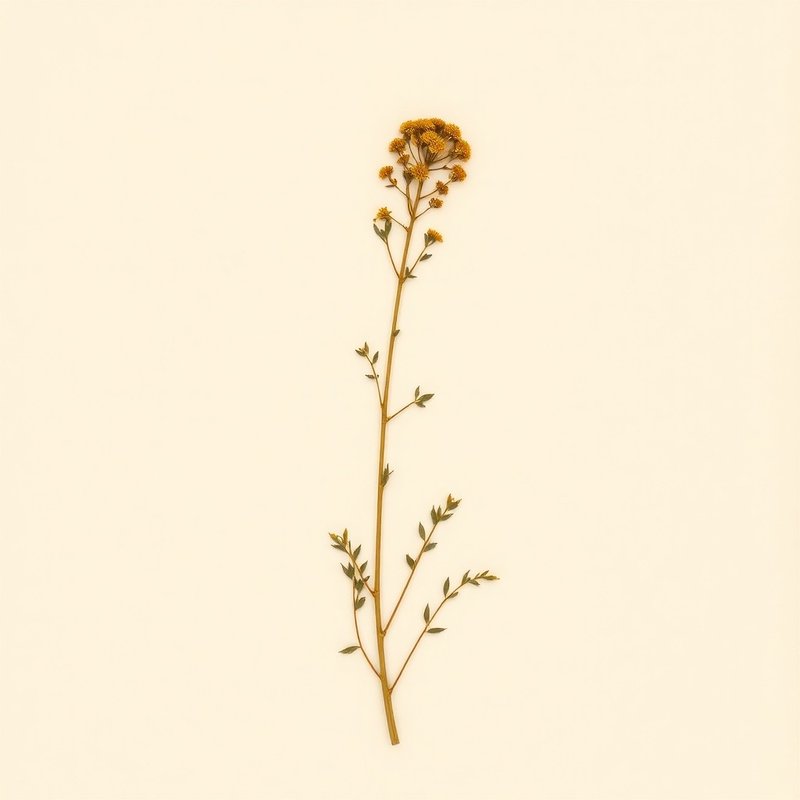
IOverview
Overview
Tansy Mustard (Descurainia pinnata) is a hardy annual herb native to regions across North America, including Alabama, Alberta, Arizona, Arkansas, British Columbia, California, Colorado, Florida, and many other states and provinces such as Georgia, Idaho, Illinois, Indiana, Iowa, Kansas, Kentucky, Louisiana, Manitoba, Mexico Northeast, Michigan, Minnesota, Mississippi, Missouri, Montana, Nebraska, Nevada, New Hampshire, New Mexico, New York, North Carolina, North Dakota, Northwest Territories, Nunavut, Ohio, Oklahoma, Ontario, Oregon, Quebec, Saskatchewan, South Carolina, South Dakota, Tennessee, Texas, Utah, Vermont, Virginia, Washington, Wisconsin, and Wyoming. This plant thrives in full sun to partial shade and can adapt to various soil types, including light sandy, medium, and heavy clay soils. Tansy Mustard is known for its ornamental value and culinary uses. Its edible parts include leaves, seeds, and seedpods, making it a versatile addition to gardens and landscapes in suitable climates. The plant grows up to 0.6 meters tall and has the potential to become invasive due to its weed-like nature. It can be found introduced into areas such as Argentina Northwest, Argentina South, Delaware, Japan, Korea, and Maryland. While Tansy Mustard is not medicinal, it is important to handle this plant with caution due to its potential for spreading. For best results in cultivation, sow seeds directly in the garden after all danger of frost has passed, ensuring well-draining soil that can be light (sandy), medium, or heavy (clay). Regular moisture will help it produce better, though it is drought-tolerant.
What is Tansy Mustard?
Tansy Mustard (Descurainia pinnata) is a hardy annual herb native to regions across North America, including Alabama, Alberta, Arizona, Arkansas, British Columbia, California, Colorado, Florida, and many other states and provinces such as Georgia, Idaho, Illinois, Indiana, Iowa,
VCultivation
Cultivation
How to grow Tansy Mustard for the first time
Start with Tansy Mustard as an easy-to-grow annual herb for beginners.
- 1
What you'll need
Seeds, a small trowel or scoop, and a garden fork.
- 2
Best time to plant
Plant in spring after the last frost, or start seeds indoors about 4 weeks before planting out.
- 3
Soil and container prep
Choose a spot with full sun to partial shade. Prepare soil by loosening it with a fork and removing any weeds.
- 4
Sowing or transplanting
Direct sow seeds 0.5 cm deep, spacing them about 30 cm apart. Alternatively, start seeds indoors in small pots and transplant when they have two sets of true leaves.
- 5
First two weeks
Keep the soil moist until germination. Thin seedlings to ensure each plant has enough space.
- 6
Ongoing care
Water only if the soil feels dry, as Tansy Mustard prefers well-drained conditions. Pinch back stems for bushier growth.
- 7
Harvest or pruning
Prune regularly to encourage new growth and prevent flowering. Harvest leaves and seedpods when needed.
- 8
Common mistakes
Overwatering, planting in heavy soil, not providing enough sunlight, and neglecting regular pruning.
VIEdible & utility
Edible & utility
VIIDistribution
51 native · 6 introduced
Distribution
51 native · 6 introducedIXSpecimen gallery
1 image
Specimen gallery
1 imageExplore further
About this entry
- Last updated
- Citation
- How to cite this entry · Submit a correction
Continue reading
Get archive updates
Occasional email when substantial new content lands — plant profiles, seasonal growing notes, folk-remedy additions. Free, no tracking, unsubscribe anytime.