
Dioscorea kamoonensis
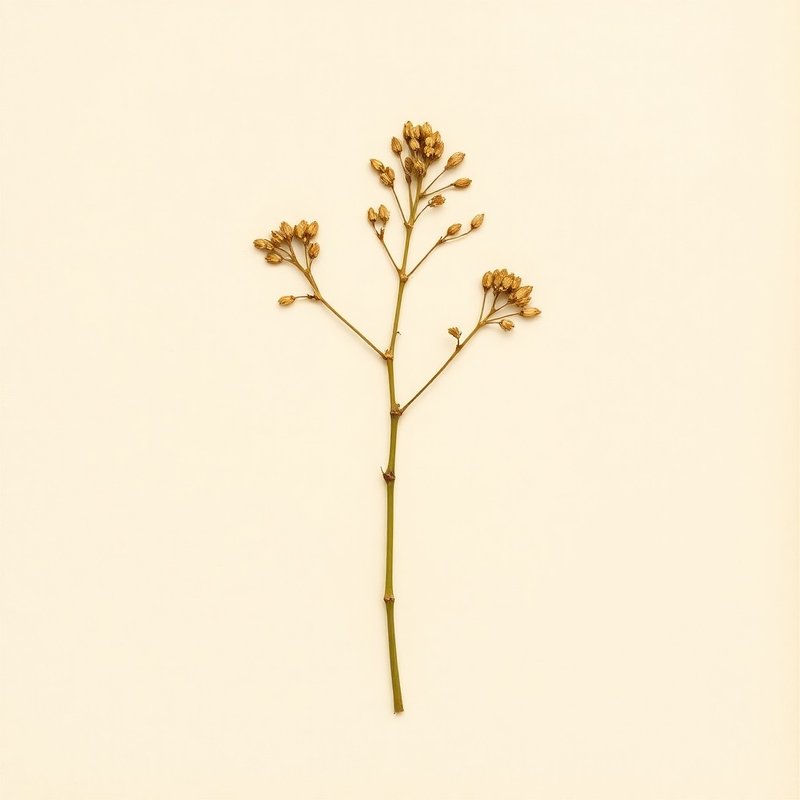
IOverview
Overview
Dioscorea kamoonensis, a perennial vine native to the eastern Himalayas and Southeast Asia, thrives in moist environments with light to medium soil types. Known for its edible roots, this plant is also used medicinally in some regions. Found across Assam, Bangladesh, China South-Central, China Southeast, East Himalaya, Laos, Myanmar, Nepal, Thailand, Tibet, and Vietnam, D. kamoonensis can grow up to 2.5 meters tall. Its adaptability to various soil conditions makes it a versatile plant for cultivation in similar climates. The root of Dioscorea kamoonensis is edible and can be prepared in various ways, often cooked or dried for later use. While the plant is not typically cultivated for medicinal purposes, its roots contain compounds that may have therapeutic benefits, though specific uses and dosages are not well-documented. This vine, with its distinctive climbing habit and edible roots, adds both culinary and potential medicinal value to its native and introduced habitats.
What is Dioscorea kamoonensis?
Dioscorea kamoonensis, a perennial vine native to the eastern Himalayas and Southeast Asia, thrives in moist environments with light to medium soil types. Known for its edible roots, this plant is also used medicinally in some regions.
IV·bMixology suggestions
2 drafts
Mixology suggestions
2 draftsVCultivation
Cultivation
How to grow Dioscorea kamoonensis for the first time
Start with basic care and observe the plant's needs as it grows.
- 1
What you'll need
A container or garden bed, seeds or young plants, a trowel, water.
- 2
Best time to plant
Plant in spring when temperatures are mild and stable.
- 3
Soil and container prep
Use well-draining soil with a mix of light (sandy), medium, or heavy clay. Ensure the container has drainage holes.
- 4
Sowing or transplanting
Plant seeds 2-3 cm deep in moist soil. Transplant young plants when they have several leaves.
- 5
First two weeks
Keep the soil consistently moist and provide light shade to avoid scorching the young plant.
- 6
Ongoing care
Water regularly, especially during dry spells. Provide full sun or partial shade as needed. Fertilize lightly with compost every few months.
- 7
Harvest or pruning
Prune vines to maintain shape and encourage new growth. Harvest roots in late autumn after the plant has died back.
- 8
Common mistakes
Overwatering, planting too deep, neglecting to prune, not providing enough light or shade as needed.
VIEdible & utility
Edible & utility
VIIDistribution
12 native · 0 introduced
Distribution
12 native · 0 introducedIXSpecimen gallery
1 image
Specimen gallery
1 imageExplore further
About this entry
- Last updated
- Citation
- How to cite this entry · Submit a correction
Continue reading
Get archive updates
Occasional email when substantial new content lands — plant profiles, seasonal growing notes, folk-remedy additions. Free, no tracking, unsubscribe anytime.