
Zapote negro mont's
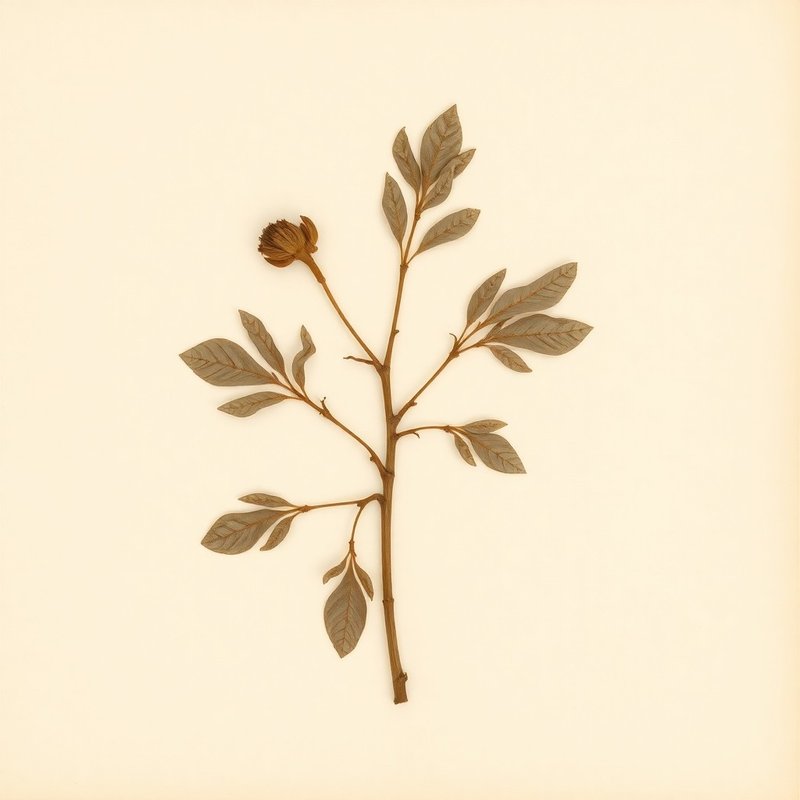
IOverview
Overview
Zapote negro mont's, scientifically known as Diospyros conzattii, is a small to medium-sized tree native to the tropical regions of Central and Southern Mexico, including Costa Rica. This member of the Ebenaceae family thrives in full sun and can tolerate both dry and moist conditions, making it adaptable to various soil types such as light (sandy), medium, and heavy (clay). Known for its edible fruit, this tree reaches a height of 10 meters and is valued for its culinary use. The fruit can be eaten raw or used in various preparations, contributing to local culinary traditions. It is often consumed fresh but can also be dried for later use, adding a unique flavor to jams and preserves. The tree is hardy in zones 10-12, indicating it can withstand temperatures down to -6°C, and is often propagated via seeds or cuttings. Its fruit is a distinctive feature, making it a valuable addition to gardens and orchards in its native regions and potentially in similar climates elsewhere. While the fruit is safe to consume, it is advisable to exercise caution and consult a local expert if considering cultivation outside its native range.
What is Zapote negro mont's?
Zapote negro mont's, scientifically known as Diospyros conzattii, is a small to medium-sized tree native to the tropical regions of Central and Southern Mexico, including Costa Rica.
VCultivation
Cultivation
How to grow Zapote negro mont's for the first time
Start with a simple, sunny spot and basic care for your Zapote negro mont's.
- 1
What you'll need
A small sapling or seed, well-draining soil, and a pot if planting in containers.
- 2
Best time to plant
Plant in spring when the weather is warming up.
- 3
Soil and container prep
Use a mix of light (sandy), medium, or heavy clay soil. Ensure good drainage.
- 4
Sowing or transplanting
Transplant a sapling carefully into well-prepared soil, ensuring the root ball is intact.
- 5
First two weeks
Water sparingly but regularly to keep the soil moist without waterlogging.
- 6
Ongoing care
Provide full sun and regular watering during dry periods. Fertilize lightly once a year.
- 7
Harvest or pruning
Prune in late winter to maintain shape and remove dead branches. Harvest fruit when ripe, typically in autumn.
- 8
Common mistakes
Overwatering, planting in heavy shade, not providing enough space for growth.
VIEdible & utility
Edible & utility
VIIDistribution
6 native · 0 introduced
Distribution
6 native · 0 introducedIXSpecimen gallery
1 image
Specimen gallery
1 imageExplore further
About this entry
- Last updated
- Citation
- How to cite this entry · Submit a correction
Continue reading
Get archive updates
Occasional email when substantial new content lands — plant profiles, seasonal growing notes, folk-remedy additions. Free, no tracking, unsubscribe anytime.