
Date plum
Diospyros lotus
Educational content — not medical, botanical, or professional advice. Plant identification, safety, and edibility depend on local conditions, cultivars, and correct identification. Consult a qualified botanist or forager before consuming or handling wild specimens. How we source & review →
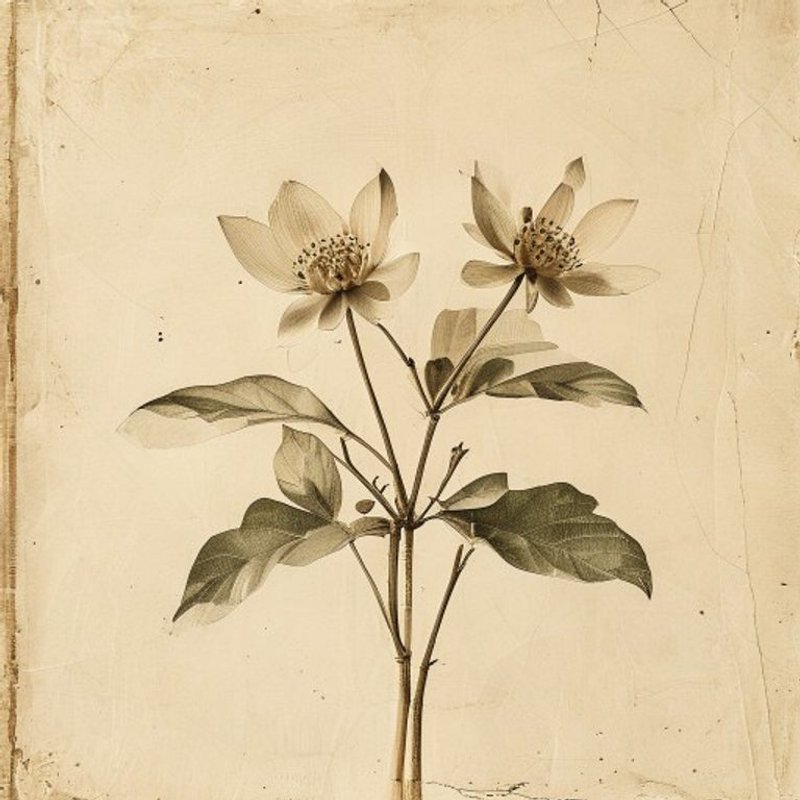
Pl. 35AB — Diospyros lotus
Diospyros lotusDiospyros lotusDiospyros lotusDiospyros lotusDiospyros lotusDiospyros lotusDiospyros lotusDiospyros lotusDiospyros lotusDiospyros lotusDiospyros lotusDiospyros lotusDiospyros lotusDiospyros lotus
IOverview
Overview
The Date plum is a perennial tree belonging to the Ebenaceae family. Native to Kenya, Mozambique, Northern Provinces, Tanzania, Zimbabwe, and other regions including Afghanistan, China North-Central, and China South-Central, this species is known for its edible fruit. The Date plum grows best in full sun to partial shade, prefers moist soil, and can thrive in a range of soil types from light sandy conditions to heavy clay. Its height can reach up to 9 meters. One distinctive feature of the plant is its ability to produce edible parts, specifically its fruit, which are a notable aspect of its cultivation and use.
Quick answers
What is Date plum?
The Date plum is a perennial tree belonging to the Ebenaceae family. Native to Kenya, Mozambique, Northern Provinces, Tanzania, Zimbabwe, and other regions including Afghanistan, China North-Central, and China South-Central, this species is known for its edible fruit.
Growingconditions · propagation · uses
VCultivation
Cultivation
To cultivate a Date plum, it is essential to provide the right conditions. The plant thrives in full sun or partial shade and requires moist soil, which can range from light sandy to heavy clay. It prefers medium soil types as well. Watering should be consistent, but not excessive. Date plums are hardy in temperate regions with a moderate climate, tolerating temperatures between 7-9 on the hardiness scale. The plant is perennial and can grow up to 9 meters tall. Propagation can be done through its edible fruit, which contains seeds suitable for germination.
Light
Full sun, Partial sun/shade
Water
Moist
Soil
Light (sandy), Medium, Heavy (clay)
Hardiness
7-9
Life cycle
Perennial
Mature size
9.0 m tall
For first-time growers
How to grow Date plum for the first time
8steps
Start with a simple planting of Date plum in your garden for a rewarding beginner experience.
- 1
What you'll need
Date plum seedlings or seeds, potting mix if container growing.
- 2
Best time to plant
Plant in spring when the soil is moist and warm.
- 3
Soil and container prep
Use well-draining soil with a pH between 6.0 and 7.5, ensuring it's light, medium, or heavy as needed.
- 4
Sowing or transplanting
Transplant seedlings to a sunny spot in the garden or plant seeds directly if starting from scratch.
- 5
First two weeks
Water regularly to keep soil moist but not waterlogged, and protect from extreme heat.
- 6
Ongoing care
Provide full sun to partial shade, regular watering, and occasional pruning for shape.
- 7
Harvest or pruning
Prune in late winter to early spring to maintain the tree's size and encourage fruiting.
- 8
Common mistakes
Overwatering, planting in heavy clay soil without drainage, not providing enough sunlight.
VIEdible & utility
Edible & utility
Edible parts:Fruit
Edible uses: The fruit of the Date plum is edible and commonly consumed in its native range. The fruit is typically eaten raw or used to make tea. No further preparation methods are documented for this plant.
Other uses:RootstockLumber
Contextrange · companions · related
VIIDistribution
20 native · 10 introduced
Distribution
20 native · 10 introducedDistribution across3 continents· 20 native· 10 introduced
Europe8 regions
native (1)Russia
introduced (7)AlbaniaBulgariaFranceGreeceItalySpainSwitzerland
Asia8 regions
native (7)AfghanistanChinaIranNepalPakistanSouth KoreaTurkey
introduced (1)Japan
Africa4 regions
native (4)KenyaMozambiqueTanzaniaZimbabwe
Broader regions
native:Northern Provinces, Tadzhikistan, Transcaucasus, West Himalaya
introduced:Yugoslavia
IXSpecimen gallery
1 image
Specimen gallery
1 imageXI
Explore further
Companion planting
Growing zone
XII
About this entry
- Last updated
- Citation
- How to cite this entry · Submit a correction
Back to the cataloguePlant id · 35abbea2-f58e-4bed-afde-52a82380aa76
Decision aid
Choosing between Date plum and something else?
Continue reading
❦❦❦❦
Endpaper · archive updates
Get archive updates
Occasional email when substantial new content lands — plant profiles, seasonal growing notes, folk-remedy additions. Free, no tracking, unsubscribe anytime.