
Wild arugula
Diplotaxis tenuifolia
Educational content — not medical, botanical, or professional advice. Plant identification, safety, and edibility depend on local conditions, cultivars, and correct identification. Consult a qualified botanist or forager before consuming or handling wild specimens. How we source & review →
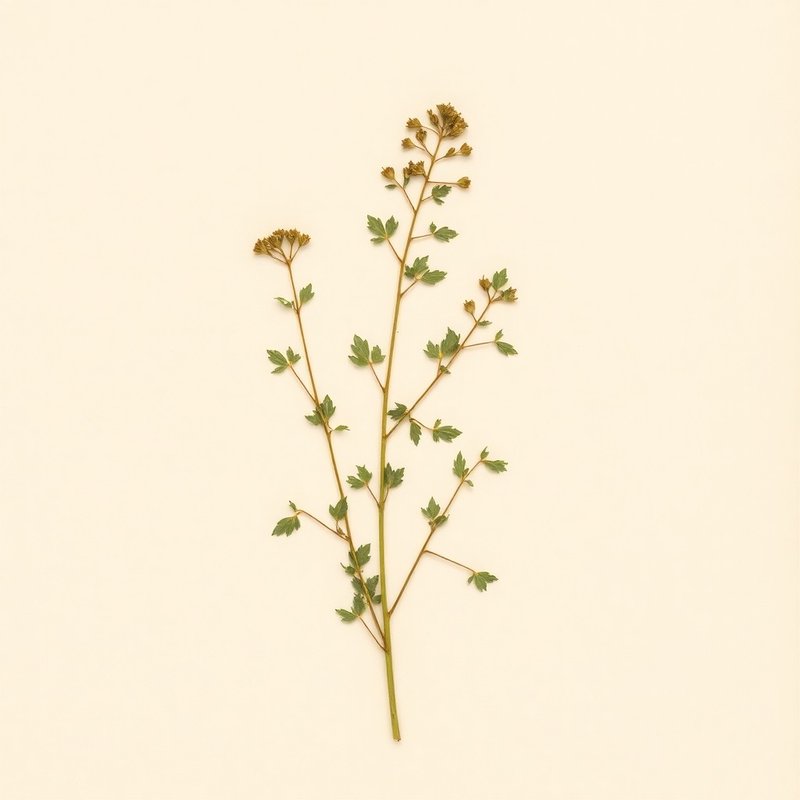
Pl. 925F — Diplotaxis tenuifolia
Diplotaxis tenuifoliaDiplotaxis tenuifoliaDiplotaxis tenuifoliaDiplotaxis tenuifoliaDiplotaxis tenuifoliaDiplotaxis tenuifoliaDiplotaxis tenuifoliaDiplotaxis tenuifoliaDiplotaxis tenuifoliaDiplotaxis tenuifoliaDiplotaxis tenuifoliaDiplotaxis tenuifoliaDiplotaxis tenuifoliaDiplotaxis tenuifolia
IOverview
Overview
Wild arugula (Diplotaxis tenuifolia) is an annual herb native to a wide range of European countries including Albania, Austria, Belgium, Bulgaria, and France. Known for its edible leaves, this plant thrives in various soil types—light, medium, or heavy—and prefers partial sun to full sun exposure. It can tolerate both dry and moist conditions, making it adaptable to different environments. With a mature height of 0.6 meters and a width of 0.3 meters, wild arugula is easy to recognize by its light green leaves and small white flowers that appear in spring. Its hardiness ranges from zones 5-9, allowing it to grow in diverse climates.
Quick answers
What is Wild arugula?
Wild arugula (Diplotaxis tenuifolia) is an annual herb native to a wide range of European countries including Albania, Austria, Belgium, Bulgaria, and France. Known for its edible leaves, this plant thrives in various soil types—light, medium, or heavy—and prefers partial sun to full sun exposure.
Growingconditions · propagation · uses
VCultivation
Cultivation
Wild arugula thrives in full sun to partial shade and prefers moist but well-drained soil that is light (sandy), medium, or heavy (clay). It is hardy in zones 5-9 and grows best when spaced about 10 cm apart. This annual plant reaches a height of 0.6 meters and a width of 0.3 meters. Water the plant regularly to keep the soil moist but avoid overwatering, as it can lead to root rot. Harvest the leaves for eating once the plant has matured in about 40 days.
Light
Full sun, Partial sun/shade
Water
Dry, Moist
Soil
Light (sandy), Medium, Heavy (clay)
Hardiness
5-9
Life cycle
Annual
Mature size
0.6 m × 0.3 m
- Germination
- 4-8 days
- Days to maturity
- 40
- Days to harvest
- 40
- Spacing
- 10cm
For first-time growers
How to grow Wild arugula for the first time
8steps
Start with wild arugula for a simple and rewarding gardening experience.
- 1
What you'll need
Wild arugula seeds, small pots or direct planting area, garden tools.
- 2
Best time to plant
Plant in spring when the soil is warm but not hot, or in late summer for a fall harvest.
- 3
Soil and container prep
Choose a spot with partial sun to full sun. Ensure the soil is well-draining, either sandy, medium, or clay.
- 4
Sowing or transplanting
Direct sow seeds 10cm apart in rows, or start them indoors and transplant after they have grown true leaves.
- 5
First two weeks
Keep the soil moist but not waterlogged. Thin seedlings to about 10cm apart once they are established.
- 6
Ongoing care
Water regularly, especially during dry spells. Mulch around plants to retain moisture and suppress weeds.
- 7
Harvest or pruning
Snip outer leaves as needed for fresh use. Prune back any leggy growth to encourage bushy foliage.
- 8
Common mistakes
Overwatering, planting in full shade, neglecting to thin seedlings.
VIEdible & utility
Edible & utility
Edible parts:Leaves
Edible uses: Wild arugula is eaten for its leaves, which are typically harvested and used fresh in salads or lightly cooked as a green vegetable. The leaves can also be dried for later use. SKIP
Other uses:Cut and come againGround cover
Contextrange · companions · related
VIIDistribution
21 native · 9 introduced
Distribution
21 native · 9 introducedDistribution across3 continents· 21 native· 9 introduced
Europe14 regions
native (13)AlbaniaAustriaBelgiumBulgariaFranceGermanyGreeceItalyNetherlandsRomaniaSpainSwitzerlandUkraine
introduced (1)Russia
Asia1 region
native (1)Turkey
Africa2 regions
introduced (2)AlgeriaMorocco
Broader regions
native:Yugoslavia, Czechoslovakia, Lebanon-Syria, Turkey-in-Europe
introduced:Arizona, Argentina South, Argentina Northwest, South Australia, Argentina Northeast, Alabama
IXSpecimen gallery
1 image
Specimen gallery
1 imageXI
Explore further
Companion planting
Growing zone
XII
About this entry
- Last updated
- Citation
- How to cite this entry · Submit a correction
Back to the cataloguePlant id · 925f6a36-4d54-4532-a405-879930441791
Decision aid
Choosing between Wild arugula and something else?
Continue reading
❦❦❦❦
Endpaper · archive updates
Get archive updates
Occasional email when substantial new content lands — plant profiles, seasonal growing notes, folk-remedy additions. Free, no tracking, unsubscribe anytime.