
Diploterigium glaucum
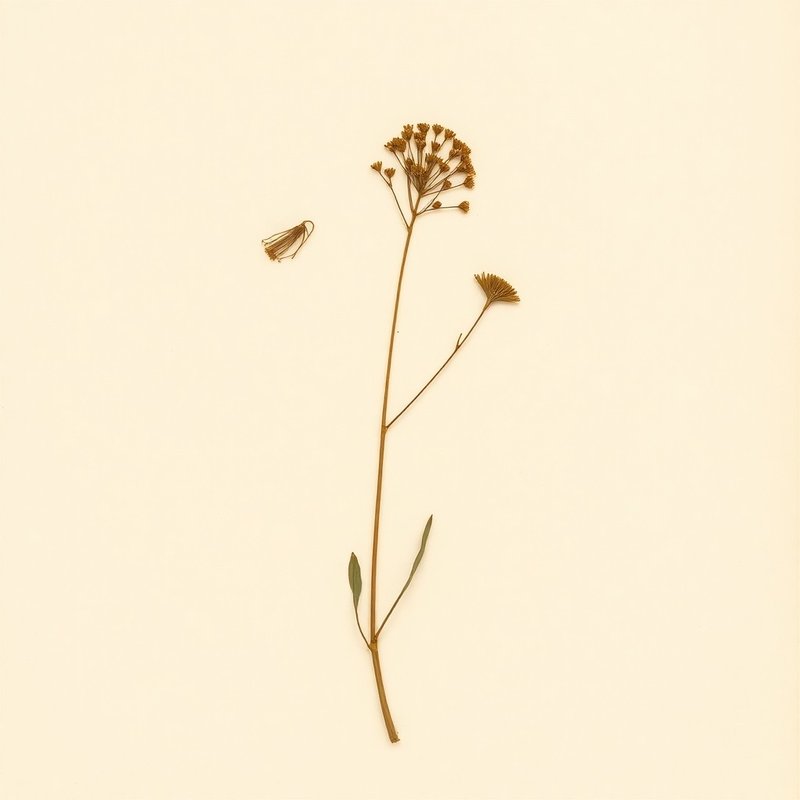
IOverview
Overview
Diploterigium glaucum, commonly known as Green Fiddlewood, is a member of the Anacardiaceae family and is native to tropical regions in Central America and the Caribbean. This plant is valued for its edible shoots, which are often used in local cuisine. The shoots can be eaten raw or cooked, with preparation typically involving steaming or boiling to enhance their texture and flavor. Green Fiddlewood thrives in moist conditions and prefers light (sandy), medium, or heavy (clay) soils, requiring full sun to partial shade for optimal growth. Its distinctive, drooping branches and small, greenish-white flowers that give way to fruit make it easily recognizable. While not medicinal, the plant is cultivated for its edible parts and can be propagated through shoot cuttings.
What is Diploterigium glaucum?
Diploterigium glaucum, commonly known as Green Fiddlewood, is a member of the Anacardiaceae family and is native to tropical regions in Central America and the Caribbean. This plant is valued for its edible shoots, which are often used in local cuisine.
VCultivation
Cultivation
How to grow Diploterigium glaucum for the first time
Start with simple soil and light conditions for a successful first planting of Diploterigium glaucum.
- 1
What you'll need
A small pot, quality potting mix, and seeds or young plants.
- 2
Best time to plant
Plant in spring when the soil is moist and warm.
- 3
Soil and container prep
Use a well-draining potting mix suitable for light, medium, or heavy soils. Ensure your container has drainage holes.
- 4
Sowing or transplanting
Direct sow seeds in the soil or transplant young plants into the prepared container.
- 5
First two weeks
Keep the soil consistently moist and place the pot in a location with full to partial sun. Monitor for signs of stress.
- 6
Ongoing care
Water regularly, ensuring the soil stays moist but not waterlogged. Provide light to medium shade as needed.
- 7
Harvest or pruning
Prune young shoots in early spring to encourage new growth and maintain a compact shape.
- 8
Common mistakes
...
VIEdible & utility
Edible & utility
IXSpecimen gallery
1 image
Specimen gallery
1 imageExplore further
About this entry
- Last updated
- Citation
- How to cite this entry · Submit a correction
Continue reading
Get archive updates
Occasional email when substantial new content lands — plant profiles, seasonal growing notes, folk-remedy additions. Free, no tracking, unsubscribe anytime.