
Disporum cantoniense
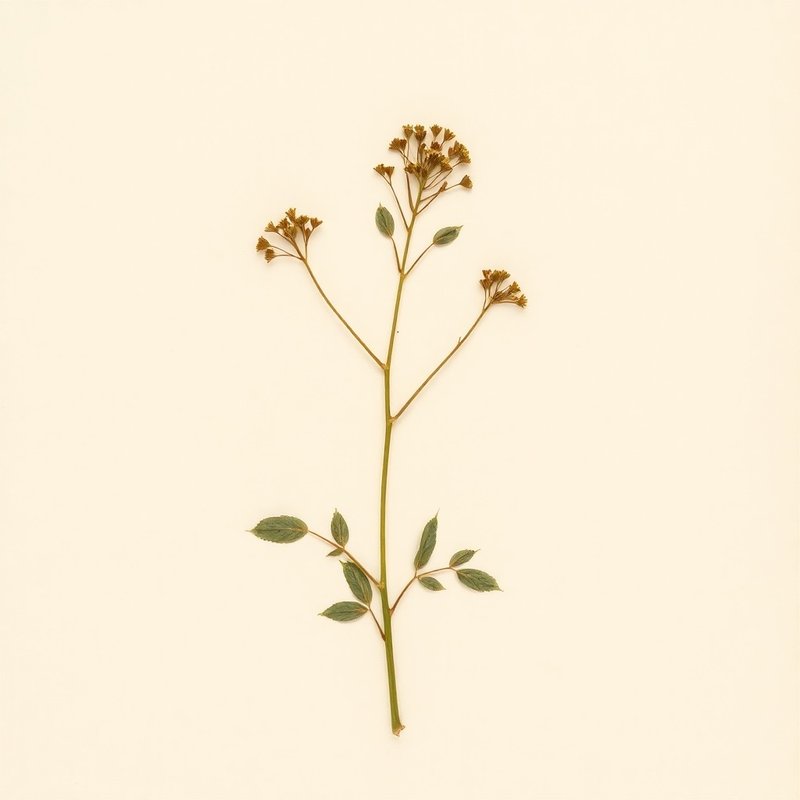
IOverview
Overview
Disporum cantoniense, a perennial plant native to regions such as Assam, Cambodia, China South-Central and Southeast, East and West Himalaya, India, Jawa, Laos, Myanmar, Nepal, Sri Lanka, Sumatera, Thailand, Tibet, and Vietnam, is notable for its edible leaves and shoots. Thriving in partial sun or shade with moist soil that can be light (sandy), medium, or heavy (clay), this plant is hardy in zones 7-10. Its native range extends from the eastern parts of Asia to the western regions, making it a valuable species for both its ornamental and culinary uses. The leaves and shoots of Disporum cantoniense are edible and can be prepared in various ways, including raw or cooked. Typically, they are consumed fresh or incorporated into salads for a mild flavor. This plant is known for its adaptability to different soil types while maintaining its edible qualities, making it a versatile addition to gardens and landscapes. While Disporum cantoniense is primarily valued for its edibility, gardeners should ensure the soil remains consistently moist but avoid overwatering to prevent root rot. Its native range in regions such as Assam, Cambodia, China South-Central, East Himalaya, India, Jawa, Laos, and other areas in Southeast Asia makes it adaptable to similar climates, providing a hardy and ornamental addition to gardens across these regions.
What is Disporum cantoniense?
Disporum cantoniense, a perennial plant native to regions such as Assam, Cambodia, China South-Central and Southeast, East and West Himalaya, India, Jawa, Laos, Myanmar, Nepal, Sri Lanka, Sumatera, Thailand, Tibet, and Vietnam, is notable for its edible leaves and shoots.
VCultivation
Cultivation
How to grow Disporum cantoniense for the first time
Start with Disporum cantoniense by planting it in a suitable location and providing basic care.
- 1
What you'll need
Disporum cantoniense plants, well-draining soil, mulch, and watering can.
- 2
Best time to plant
Plant Disporum cantoniense in early spring or late fall when the weather is cooler.
- 3
Soil and container prep
Ensure the soil is well-draining with a pH between 6.0 and 7.5, and prepare containers with good drainage holes.
- 4
Sowing or transplanting
Transplant Disporum cantoniense from its nursery pot to your garden bed, ensuring roots are not damaged during the process.
- 5
First two weeks
Water the plant regularly to keep the soil moist but not waterlogged. Avoid direct sunlight for the first few days.
- 6
Ongoing care
Provide partial sun or shade, and water when the top inch of soil feels dry. Fertilize once a year in early spring with a balanced fertilizer.
- 7
Harvest or pruning
Prune Disporum cantoniense after flowering to maintain its shape and remove any dead or damaged foliage.
VIEdible & utility
Edible & utility
VIIDistribution
18 native · 0 introduced
Distribution
18 native · 0 introducedIXSpecimen gallery
1 image
Specimen gallery
1 imageExplore further
About this entry
- Last updated
- Citation
- How to cite this entry · Submit a correction
Continue reading
Get archive updates
Occasional email when substantial new content lands — plant profiles, seasonal growing notes, folk-remedy additions. Free, no tracking, unsubscribe anytime.