
Japanese Fairy Bells
IOverview
Overview
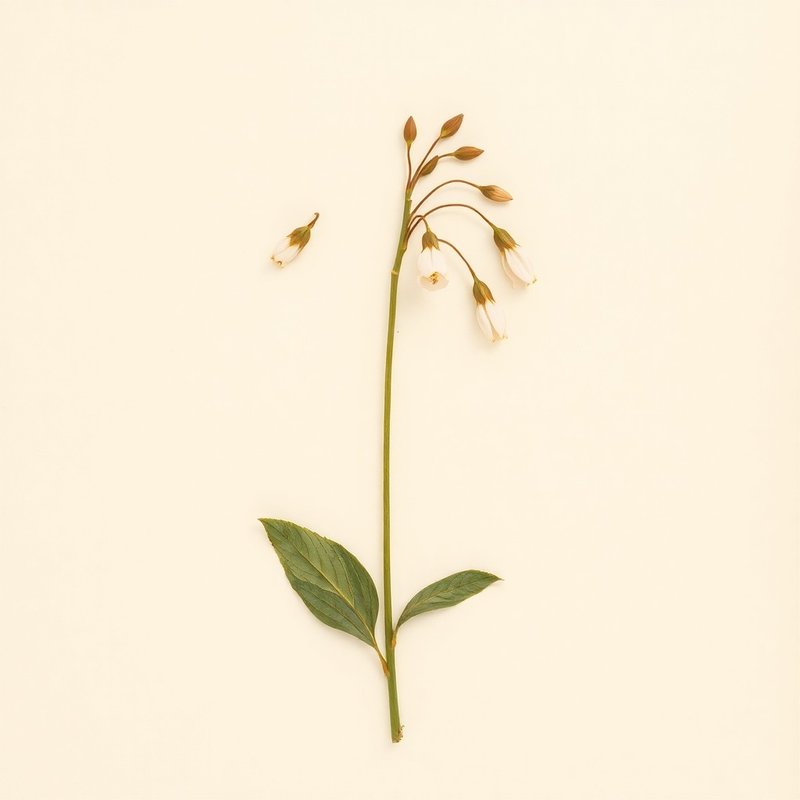
Japanese Fairy Bells (Disporum sessile) is a perennial plant native to Japan, Korea, the Kuril Islands, Nansei-shoto, Sakhalin, and Taiwan. This light-loving species thrives in moist, well-drained soils that range from sandy to heavy clay and can grow up to 0.6 meters tall. The plant is known for its distinctive bell-shaped flowers, which hang in clusters and give it a fairy-like appearance, hence the common name. Japanese Fairy Bells are both ornamental and edible, making them a unique addition to gardens and culinary uses. The leaves of the plant are edible and can be consumed raw or cooked, often used in salads for their mild flavor or added to soups and stews to enhance the dish. While the plant is not medicinal, it is important to exercise caution when consuming any part of it, as some plants in the Colchicaceae family can be toxic. This plant prefers partial sun to shade and grows best in soils that are light (sandy), medium, or heavy (clay). Hardy from zones 4-8, Japanese Fairy Bells are easy to propagate by dividing the roots in early spring or taking leaf cuttings in late summer.
What is Japanese Fairy Bells?
Japanese Fairy Bells (Disporum sessile) is a perennial plant native to Japan, Korea, the Kuril Islands, Nansei-shoto, Sakhalin, and Taiwan. This light-loving species thrives in moist, well-drained soils that range from sandy to heavy clay and can grow up to 0.
VCultivation
Cultivation
How to grow Japanese Fairy Bells for the first time
Start with Japanese Fairy Bells for a low-maintenance, beginner-friendly perennial.
- 1
What you'll need
A small plant or seeds, a trowel, and mulch.
- 2
Best time to plant
Plant in early spring or late fall when the soil is moist but not waterlogged.
- 3
Soil and container prep
Ensure the soil is well-draining with a pH between 6.0 and 7.5, and prepare containers with light to medium soil.
- 4
Sowing or transplanting
Transplant young plants or sow seeds directly into the garden in early spring.
- 5
First two weeks
Water regularly to keep the soil moist but not soggy, and mulch around the plant to retain moisture.
- 6
Ongoing care
Provide partial sun to shade, water when the top inch of soil dries out, and divide every 3-4 years.
- 7
Harvest or pruning
Prune dead foliage in early spring to encourage new growth.
VIEdible & utility
Edible & utility
VIIDistribution
6 native · 0 introduced
Distribution
6 native · 0 introducedIXSpecimen gallery
1 image
Specimen gallery
1 imageExplore further
About this entry
- Last updated
- Citation
- How to cite this entry · Submit a correction
Continue reading
Get archive updates
Occasional email when substantial new content lands — plant profiles, seasonal growing notes, folk-remedy additions. Free, no tracking, unsubscribe anytime.