
Dryopteris sieboldii
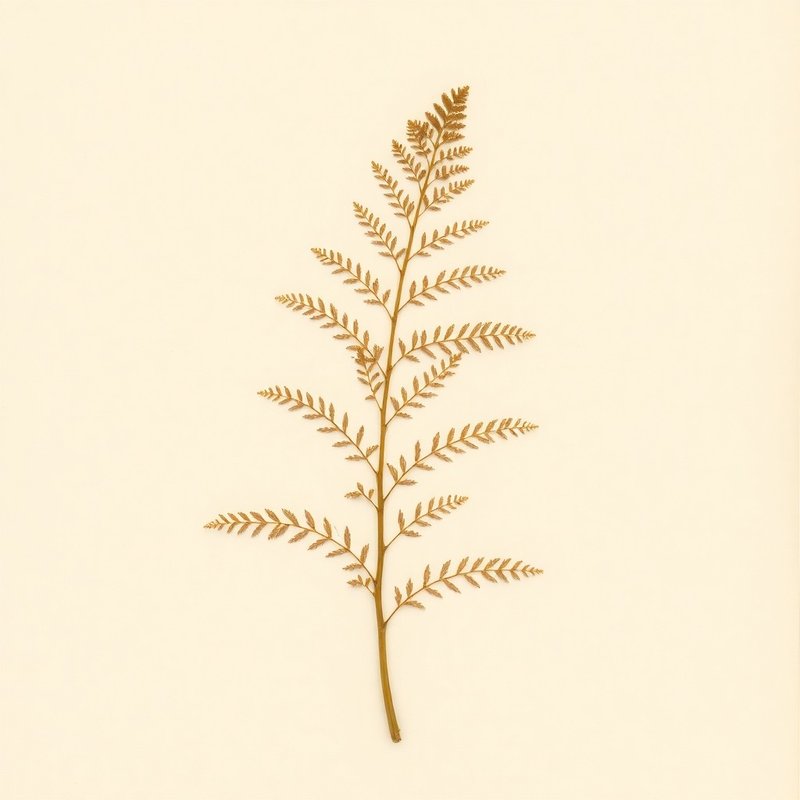
IOverview
Overview
Dryopteris sieboldii, commonly known as Japanese wood fern, is a member of the Dryopteridaceae family and is native to the moist, partially shaded environments of China South-Central, Southeastern China, and Japan. This fern thrives in a variety of soil types, including light (sandy), medium, and heavy (clay), and grows to about 0.5 meters in height. It is hardy in zones 7-10, making it a versatile addition to gardens seeking both ornamental value and culinary use. The root of D. sieboldii is edible and can be prepared in various ways, often used raw or cooked to add flavor to dishes. Its adaptability to partial shade and moist conditions makes it suitable for areas with less direct sunlight. While not traditionally used for medicinal purposes, the plant's edible roots offer a unique addition to culinary endeavors.
What is Dryopteris sieboldii?
Dryopteris sieboldii, commonly known as Japanese wood fern, is a member of the Dryopteridaceae family and is native to the moist, partially shaded environments of China South-Central, Southeastern China, and Japan.
VCultivation
Cultivation
How to grow Dryopteris sieboldii for the first time
Start with planting Dryopteris sieboldii in a partially shaded area, ensuring you have the right soil and care basics down.
- 1
What you'll need
A suitable location, well-draining potting mix, and a young plant or division.
- 2
Best time to plant
Plant in early spring or late autumn when the weather is cooler.
- 3
Soil and container prep
Use a soil mix that's light (sandy), medium, or heavy (clay) with good drainage. Ensure containers have holes for water to escape.
- 4
Sowing or transplanting
Transplant young plants or divisions directly into the ground or pots, spacing them about 30-45 cm apart.
- 5
First two weeks
Keep the soil moist and avoid direct sunlight. Water regularly to maintain moisture but not waterlogged conditions.
- 6
Ongoing care
Provide partial shade, keep the soil consistently moist, and mulch around the base for added moisture retention.
- 7
Harvest or pruning
Prune dead fronds in early spring to maintain a neat appearance. Avoid cutting into healthy growth.
VIEdible & utility
Edible & utility
VIIDistribution
3 native · 0 introduced
Distribution
3 native · 0 introducedIXSpecimen gallery
1 image
Specimen gallery
1 imageExplore further
About this entry
- Last updated
- Citation
- How to cite this entry · Submit a correction
Continue reading
Get archive updates
Occasional email when substantial new content lands — plant profiles, seasonal growing notes, folk-remedy additions. Free, no tracking, unsubscribe anytime.