
Mission Lettuce
IOverview
Overview
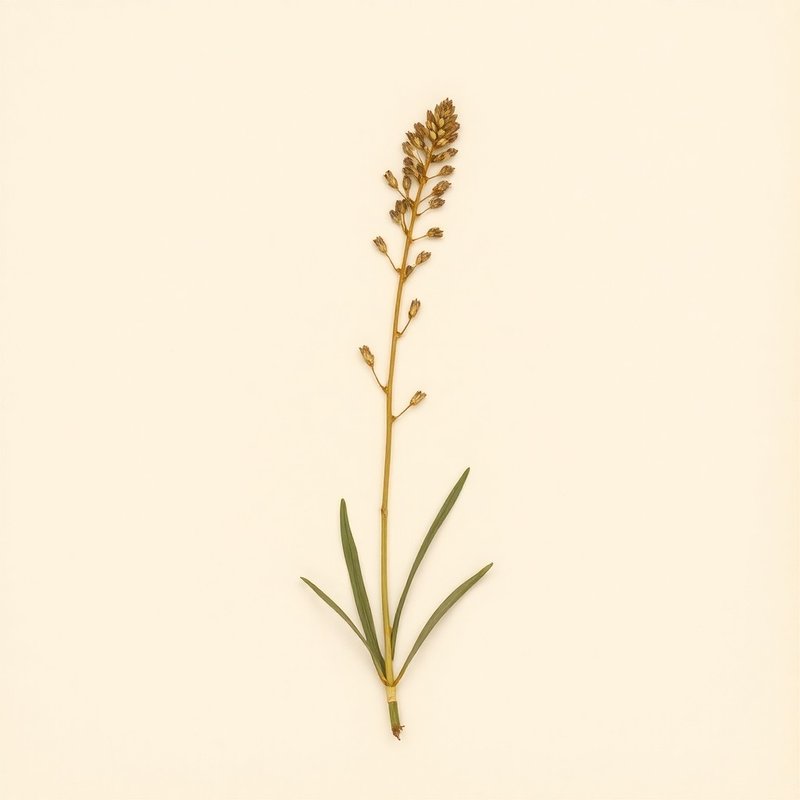
Mission Lettuce (Dudleya edulis) is a perennial forb or herb native to the dry and rocky habitats of California and northwest Mexico. This plant thrives in full sun and prefers well-draining soil that can be light (sandy) or medium-textured. Hardy in zones 7-10, Mission Lettuce is well-suited for gardens where it can grow up to 0.5 meters tall. Its distinctive feature is its succulent, rosette-like growth habit, which allows it to store water efficiently in arid conditions. The edible parts of the plant include the leaves and stems, which can be consumed raw in salads or cooked as a vegetable. The stems are often prepared by boiling before being added to dishes. While not medicinal, Mission Lettuce is a valuable addition to gardens and culinary dishes, providing a tender, lettuce-like texture.
What is Mission Lettuce?
Mission Lettuce (Dudleya edulis) is a perennial forb or herb native to the dry and rocky habitats of California and northwest Mexico. This plant thrives in full sun and prefers well-draining soil that can be light (sandy) or medium-textured.
VCultivation
Cultivation
How to grow Mission Lettuce for the first time
Start with basic care for Mission Lettuce, focusing on sunlight and minimal watering.
- 1
What you'll need
Seeds or small plants, a pot or garden bed, well-draining soil.
- 2
Best time to plant
Plant in spring when the weather starts warming up.
- 3
Soil and container prep
Use a light, sandy mix. Ensure pots have drainage holes.
- 4
Sowing or transplanting
Direct sow seeds or transplant young plants into prepared soil.
- 5
First two weeks
Water sparingly to avoid rotting the roots. Keep in partial shade if needed.
- 6
Ongoing care
Place in full sun but protect from intense heat. Water only when dry, every 2-3 weeks.
- 7
Harvest or pruning
Prune dead leaves to maintain plant health and appearance.
- 8
Common mistakes
Overwatering, planting in heavy soil, not providing enough sunlight.
VIEdible & utility
Edible & utility
VIIDistribution
2 native · 0 introduced
Distribution
2 native · 0 introducedIXSpecimen gallery
1 image
Specimen gallery
1 imageExplore further
About this entry
- Last updated
- Citation
- How to cite this entry · Submit a correction
Continue reading
Get archive updates
Occasional email when substantial new content lands — plant profiles, seasonal growing notes, folk-remedy additions. Free, no tracking, unsubscribe anytime.