
Wormseed
Dysphania anthelmintica
Educational content — not medical, botanical, or professional advice. Plant identification, safety, and edibility depend on local conditions, cultivars, and correct identification. Consult a qualified botanist or forager before consuming or handling wild specimens. How we source & review →
Garden journal pausedUse profile notes below
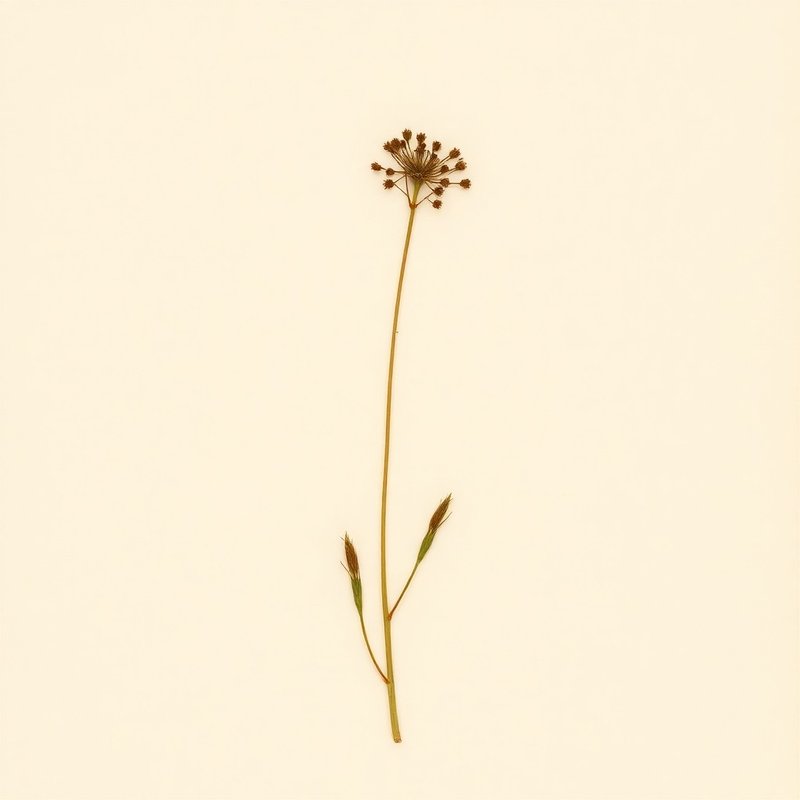
Pl. 2EB3 — Dysphania anthelmintica
Dysphania anthelminticaDysphania anthelminticaDysphania anthelminticaDysphania anthelminticaDysphania anthelminticaDysphania anthelminticaDysphania anthelminticaDysphania anthelminticaDysphania anthelminticaDysphania anthelminticaDysphania anthelminticaDysphania anthelminticaDysphania anthelminticaDysphania anthelmintica
IOverview
Overview
Wormseed (Dysphania anthelmintica) is a hardy annual or perennial plant native to regions including Arkansas, Bermuda, Colombia, Delaware, Florida, Georgia, Guatemala, Louisiana, Maryland, Massachusetts, Mexico Gulf, Mexico Northeast, Mississippi, New Jersey, New York, North Carolina, South Carolina, Texas, and Virginia. This adaptable plant thrives in various soil types—light (sandy), medium, or heavy (clay)—and prefers a pH between 7 and 7.5. It can grow up to 1 meter tall and is commonly propagated by direct seeding outdoors, with seedlings thinned to about 15 cm apart. Wormseed is known for its edible leaves and seeds, making it a valuable addition to gardens in regions where it naturally grows or has been introduced, such as Alabama, California, Canary Islands, East Aegean Islands, Eritrea, Ethiopia, Illinois, Indiana, Italy, Kansas, Kentucky, Madagascar, Madeira, Missouri, Ohio, Oklahoma, Paraguay, Pennsylvania, Puerto Rico, Spain, Tennessee, and West Virginia. It can be used in condiments, as a drink ingredient, or brewed into tea. This plant thrives in moist conditions but is adaptable to various growing contexts. It requires full sun to partial shade and should be watered regularly to maintain moisture levels. Wormseed's distinctive feature lies in its ability to tolerate different soil textures while providing both edible and ornamental value. While not medicinal, it can serve as a pest control plant due to its essential oil content. Cautiously note that despite its culinary uses, no specific medical effects or dosages are recommended for consumption.
Quick answers
What is Wormseed?
Wormseed (Dysphania anthelmintica) is a hardy annual or perennial plant native to regions including Arkansas, Bermuda, Colombia, Delaware, Florida, Georgia, Guatemala, Louisiana, Maryland, Massachusetts, Mexico Gulf, Mexico Northeast, Mississippi, New Jersey, New York, North Caro
Growingconditions · propagation · uses
VCultivation
Cultivation
Wormseed thrives in light to medium soil with a pH between 7 and 7.5. It prefers moist conditions but can tolerate various soil types, including sandy, loamy, and clay. Plant directly outdoors after the last frost, spacing seeds about 15 cm apart. This plant is hardy in temperate regions (zones 10-12) and grows to a height of 1 meter. It requires full sun to partial shade and should be watered regularly to maintain moisture levels. Wormseed can be propagated through direct seeding outdoors, making it easy for gardeners to grow. Harvest the leaves and seeds for culinary use.
Light
8/10
Water
Moist
Soil
Light (sandy), Medium, Heavy (clay)
Hardiness
10-12
Life cycle
Annual, Perennial
Mature size
1.0 m tall
Soil pH
7–7.5
- Propagation
- Direct seed outdoors, thin to 15cm
- Row spacing
- 30 cm
For first-time growers
How to grow Wormseed for the first time
8steps
Start with Wormseed by planting it in a sunny spot and following these simple steps.
- 1
What you'll need
Seeds, a garden trowel or small shovel, and a watering can.
- 2
Best time to plant
Plant Wormseed outdoors after the last frost in spring.
- 3
Soil and container prep
Choose a location with well-draining soil that is light (sandy), medium, or heavy (clay). Ensure the pH is between 7 and 7.5.
- 4
Sowing or transplanting
Direct sow seeds outdoors, spacing them about 15 cm apart. Cover lightly with soil.
- 5
First two weeks
Keep the soil moist but not waterlogged during germination. Thin seedlings to maintain a 15 cm distance.
- 6
Ongoing care
Water regularly, especially in dry periods, and mulch around plants to retain moisture. Pinch back stems for bushier growth.
- 7
Harvest or pruning
Prune occasionally to encourage new growth and remove any dead leaves.
- 8
Common mistakes
Overwatering, planting in poor soil, not thinning seedlings properly, and neglecting regular pruning.
VIEdible & utility
Edible & utility
Edible parts:LeavesSeed
Edible uses: Condiment, Drink, Tea
Other uses:DyeEssential OilPest control
Contextrange · companions · related
VIIDistribution
47 native · 182 introduced
Distribution
47 native · 182 introducedDistribution across5 continents· 47 native· 182 introduced
Europe17 regions
introduced (17)AlbaniaAustriaBelgiumBulgariaDenmarkFinlandFranceGermanyGreeceHungaryItalyPolandPortugalRomaniaSpainSwedenUkraine
Asia21 regions
native (1)Georgia
introduced (20)AfghanistanBangladeshChinaIndiaIranIraqJapanLaosNepalPakistanPalestinePhilippinesSaudi ArabiaSouth KoreaSri LankaTaiwanThailandTurkeyVietnamYemen
Americas24 regions
native (12)BelizeBoliviaColombiaCosta RicaEl SalvadorGuatemalaHondurasNicaraguaParaguayPeruUruguayVenezuela
introduced (12)BahamasCubaDominican RepublicEcuadorFrench GuianaGuyanaHaitiJamaicaParaguayPuerto RicoSurinameUnited States
Africa34 regions
introduced (34)AlgeriaAngolaBeninBotswanaBurundiCabo VerdeCameroonCôte d'IvoireDjiboutiEgyptEritreaEswatiniEthiopiaGabonGhanaKenyaLesothoLiberiaLibyaMadagascarMalawiMauritaniaMauritiusMoroccoMozambiqueNamibiaNigeriaRwandaSenegalTanzaniaTunisiaUgandaZambiaZimbabwe
Oceania1 region
introduced (1)New Caledonia
Broader regions
native:Argentina Northeast, Argentina Northwest, Argentina South, Arkansas, Aruba, Bermuda, Brazil North, Brazil Northeast, Brazil South, Brazil Southeast, Brazil West-Central, Chile Central, Chile North, Chile South, Delaware, Florida, Louisiana, Maryland, Massachusetts, Mexico Central, Mexico Gulf, Mexico Northeast, Mexico Southeast, Mexico Southwest, Mississippi, New Jersey, New York, North Carolina, Oklahoma, Panamá, South Carolina, Texas, Tristan da Cunha, Virginia
introduced:Alabama, Arizona, Ascension, Bermuda, California, Cape Provinces, Cayman Is., Central African Repu, Congo, Connecticut, Czechoslovakia, Delaware, Desventurados Is., District of Columbia, East Aegean Is., East Himalaya, Free State, Galápagos, Gulf of Guinea Is., Gulf States, Illinois, Indiana, Iowa, Jawa, Juan Fernández Is., Kansas, Kentucky, Kriti, KwaZulu-Natal, Lebanon-Syria, Leeward Is., Maine, Marianas, Masachusettes, Mexican Pacific Is., Mexico Northwest, Michigan, Minnesota, Missouri, Nebraska, Netherlands Antilles, New Guinea, New Hampshire, New Jersey, New Mexico, New South Wales, New York, New Zealand North, Norfolk Is., Northern Provinces, Northern Territory, Ogasawara-shoto, Ohio, Oklahoma, Ontario, Oregon, Pennsylvania, Québec, Queensland, Réunion, Rhode I., Rodrigues, Sinai, Society Is., South Australia, South Dakota, Southwest Caribbean, St.Helena, Sulawesi, Tasmania, Tennessee, Transcaucasus, Trinidad-Tobago, Tubuai Is., Turkey-in-Europe, Tuva, Utah, Venezuelan Antilles, Vermont, Victoria, Washington, West Himalaya, West Virginia, Western Australia, Windward Is., Wisconsin, Yugoslavia, Zaïre
IXSpecimen gallery
1 image
Specimen gallery
1 imageXI
Explore further
Companion planting
Growing zone
XII
About this entry
- Last updated
- Citation
- How to cite this entry · Submit a correction
Back to the cataloguePlant id · 2eb34eee-365b-4377-afc5-dfcfb41d766e
Decision aid
Choosing between Wormseed and something else?
Continue reading
❦❦❦❦
Endpaper · archive updates
Get archive updates
Occasional email when substantial new content lands — plant profiles, seasonal growing notes, folk-remedy additions. Free, no tracking, unsubscribe anytime.
Newsletter returning soon.
We are rebuilding the update list around a lightweight editorial workflow. New dispatches will resume after the next content review cycle.