
Water Hyacinth
Eichhornia crassipes
Educational content — not medical, botanical, or professional advice. Plant identification, safety, and edibility depend on local conditions, cultivars, and correct identification. Consult a qualified botanist or forager before consuming or handling wild specimens. How we source & review →
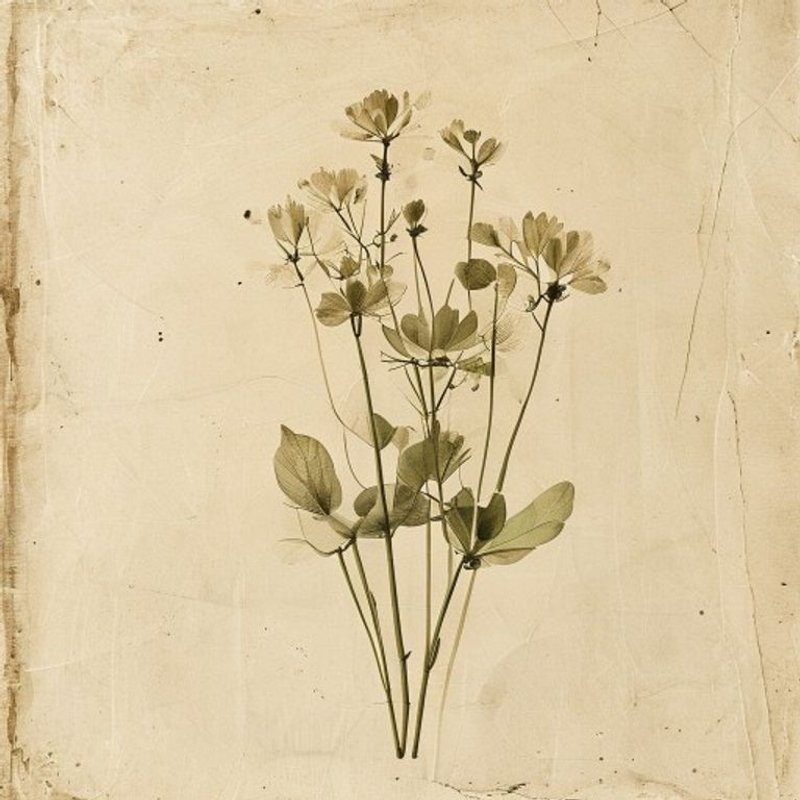
Pl. B58F — Eichhornia crassipes
Eichhornia crassipesEichhornia crassipesEichhornia crassipesEichhornia crassipesEichhornia crassipesEichhornia crassipesEichhornia crassipesEichhornia crassipesEichhornia crassipesEichhornia crassipesEichhornia crassipesEichhornia crassipesEichhornia crassipesEichhornia crassipes
IOverview
Overview
Water Hyacinth, scientifically known as Eichhornia crassipes, is a perennial plant native to the northeastern and western regions of Argentina, Bolivia, Brazil, Paraguay, Peru, Uruguay, and Venezuela. It thrives in moist environments with full or partial sun exposure and can grow in various soil types, including light (sandy), medium, and heavy (clay). This plant is known for its edible leaves, which are often used in culinary applications. Found across a wide range from Chile to French Guiana, Water Hyacinth is adaptable but requires careful management due to its invasive nature in some areas.
Quick answers
What is Water Hyacinth?
Water Hyacinth, scientifically known as Eichhornia crassipes, is a perennial plant native to the northeastern and western regions of Argentina, Bolivia, Brazil, Paraguay, Peru, Uruguay, and Venezuela.
Growingconditions · propagation · uses
VCultivation
Cultivation
Water Hyacinth thrives in full to partial sun and requires moist soil, making it ideal for ponds or containers with water at the surface. It prefers light (sandy), medium, or heavy (clay) soils but can adapt well to various conditions. This perennial plant grows up to 0.3 meters tall and is hardy in zones 10-11. Propagate through division of existing plants during the growing season. Harvest edible leaves for culinary use.
Light
Full sun, Partial sun/shade
Water
Moist
Soil
Light (sandy), Medium, Heavy (clay)
Hardiness
10-11
Life cycle
Perennial
Mature size
0.3 m tall
For first-time growers
How to grow Water Hyacinth for the first time
8steps
Water Hyacinth is a forgiving plant for beginners, but it requires regular water changes and careful pruning to prevent overgrowth.
- 1
What you'll need
A container with holes for drainage, aquatic planting medium, and some Water Hyacinth plants.
- 2
Best time to plant
Plant in spring when temperatures are consistently above 10°C (50°F).
- 3
Soil and container prep
Use a container that is at least 30 cm deep with aquatic planting medium. Ensure the container has drainage holes.
- 4
Sowing or transplanting
Transplant mature Water Hyacinth plants into your prepared container, ensuring they are fully submerged in water.
- 5
First two weeks
Monitor the plant's growth and adjust the water level if necessary. Keep the container in full sun to partial shade.
- 6
Ongoing care
Provide plenty of light and keep the water temperature above 10°C (50°F). Prune regularly to control size and prevent overcrowding.
- 7
Harvest or pruning
Trim back any dead or overgrown leaves to maintain a neat appearance. Remove flowers as they fade.
- 8
Common mistakes
Overcrowding the container, not providing enough light, and neglecting regular pruning are common issues.
VIEdible & utility
Edible & utility
Edible parts:Leaves
Edible uses: The leaves of the Water Hyacinth (Eichhornia crassipes) are edible and can be eaten raw or cooked. They are often prepared by boiling to make a vegetable dish. Skip
Other uses:BiomassPollutionNitrogen fixer
Contextrange · companions · related
VIIDistribution
17 native · 13 introduced
Distribution
17 native · 13 introducedDistribution across4 continents· 17 native· 13 introduced
Europe1 region
introduced (1)Portugal
Asia1 region
introduced (1)Bangladesh
Americas11 regions
native (9)BoliviaColombiaFrench GuianaGuyanaParaguayPeruSurinameUruguayVenezuela
introduced (2)BahamasBelize
Africa3 regions
introduced (3)AngolaBeninBurundi
Broader regions
native:Brazil South, Argentina Northwest, Brazil Southeast, Brazil North, Argentina Northeast, Brazil Northeast, Brazil West-Central, Chile Central
introduced:California, Borneo, Bermuda, Aruba, Arizona, Andaman Is.
IXSpecimen gallery
1 image
Specimen gallery
1 imageXI
Explore further
Companion planting
Growing zone
XII
About this entry
- Last updated
- Citation
- How to cite this entry · Submit a correction
Back to the cataloguePlant id · b58ff984-9ee6-46f9-8302-176d23008315
Decision aid
Choosing between Water Hyacinth and something else?
Continue reading
❦❦❦❦
Endpaper · archive updates
Get archive updates
Occasional email when substantial new content lands — plant profiles, seasonal growing notes, folk-remedy additions. Free, no tracking, unsubscribe anytime.