
Silverberry
Elaeagnus commutata
Educational content — not medical, botanical, or professional advice. Plant identification, safety, and edibility depend on local conditions, cultivars, and correct identification. Consult a qualified botanist or forager before consuming or handling wild specimens. How we source & review →
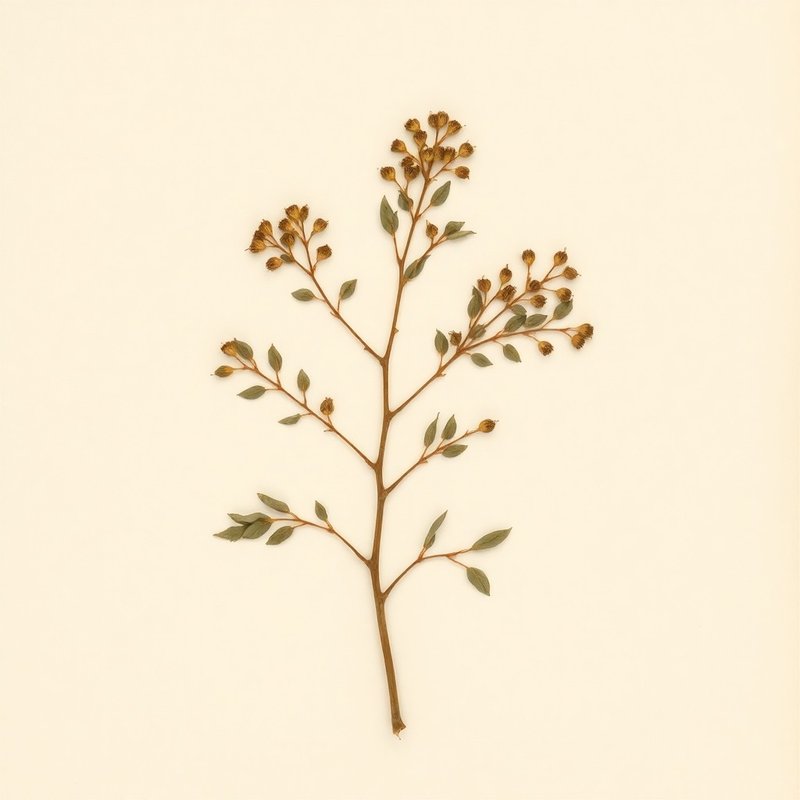
Pl. 57A0 — Elaeagnus commutata
Elaeagnus commutataElaeagnus commutataElaeagnus commutataElaeagnus commutataElaeagnus commutataElaeagnus commutataElaeagnus commutataElaeagnus commutataElaeagnus commutataElaeagnus commutataElaeagnus commutataElaeagnus commutataElaeagnus commutataElaeagnus commutata
IOverview
Overview
The Silverberry is a perennial shrub belonging to the family Elaeagnaceae. Native to a vast range of regions in North America and Canada, it can be found growing wild from Alaska to Texas, as well as parts of Quebec and Ontario. The plant is known for its edible fruit and seeds, which are a valuable food source for various wildlife species. One distinctive feature of the Silverberry is its ability to thrive in dry conditions, making it an attractive option for landscaping in areas with limited water availability. Its silvery-gray bark is also notable, providing a striking visual contrast against the surrounding landscape.
Quick answers
What is Silverberry?
The Silverberry is a perennial shrub belonging to the family Elaeagnaceae. Native to a vast range of regions in North America and Canada, it can be found growing wild from Alaska to Texas, as well as parts of Quebec and Ontario.
Growingconditions · propagation · uses
VCultivation
Cultivation
The Silverberry is a perennial shrub that thrives in full sun and tolerates dry to moist conditions. It prefers well-drained soils ranging from light sandy to heavy clay, with optimal pH between 5-7.9. This adaptable plant is hardy in temperate regions, but its exact hardiness range varies by location. For propagation, seeds can be used, although no specific details are provided. The Silverberry produces edible fruit and seeds, making it a valuable addition to gardens. Regular watering is necessary, especially during periods of drought.
Light
Full sun
Water
Dry, Moist
Soil
Light (sandy), Medium, Heavy (clay)
Hardiness
2-6
Life cycle
Perennial
Habit
Shrub
Mature size
3.0 m tall
Soil pH
5–7.9
For first-time growers
How to grow Silverberry for the first time
7steps
Start with a simple, low-maintenance shrub that thrives in various conditions.
- 1
What you'll need
A Silverberry plant or seeds, garden gloves, and a trowel.
- 2
Best time to plant
Plant in early spring or late fall when the soil is moist but not waterlogged.
- 3
Soil and container prep
Ensure the soil drains well; amend with compost if necessary. For containers, use a pot at least 30 cm wide and deep.
- 4
Sowing or transplanting
Transplant young plants in early spring or fall. Sow seeds directly where they will grow in late summer or early autumn.
- 5
First two weeks
Water the plant thoroughly after planting, then reduce watering to once a week unless it's very dry.
- 6
Ongoing care
Mulch around the base to retain moisture and suppress weeds. Prune in late winter or early spring to maintain shape.
- 7
Harvest or pruning
Prune lightly in late winter to remove dead branches and encourage new growth; fruit can be harvested when ripe, usually in summer.
VIEdible & utility
Edible & utility
Edible parts:FruitSeed
Edible uses: The Silverberry's fruit is edible and can be consumed raw or dried for later use. The seed is also considered edible. There is no information on specific preparation methods such as cooking or making tea. The fruit is typically found in areas with well-drained soil and full sun. It grows as a shrub, reaching heights of 3 meters, and is native to the regions where it can be found.
Other uses:CraftingCompanionFiberHedgerowSoapNitrogen fixerFragrance
Contextrange · companions · related
VIIDistribution
21 native · 9 introduced
Distribution
21 native · 9 introducedDistribution across2 continents· 21 native· 9 introduced
Europe7 regions
introduced (7)DenmarkFinlandGreeceNorwayPolandRussiaSweden
Americas1 region
native (1)United States
Broader regions
native:Alberta, British Columbia, California, Colorado, Idaho, Manitoba, Minnesota, Montana, North Dakota, Northwest Territorie, Nunavut, Ontario, Québec, Saskatchewan, South Dakota, Texas, Utah, Washington, Wyoming, Yukon
introduced:Czechoslovakia, Altay
IXSpecimen gallery
1 image
Specimen gallery
1 imageXI
Explore further
Companion planting
Growing zone
XII
About this entry
- Last updated
- Citation
- How to cite this entry · Submit a correction
Back to the cataloguePlant id · 57a02838-36fe-419b-8f54-ea907189afb0
Decision aid
Choosing between Silverberry and something else?
Continue reading
❦❦❦❦
Endpaper · archive updates
Get archive updates
Occasional email when substantial new content lands — plant profiles, seasonal growing notes, folk-remedy additions. Free, no tracking, unsubscribe anytime.