
Elaeagnus gonyanthes
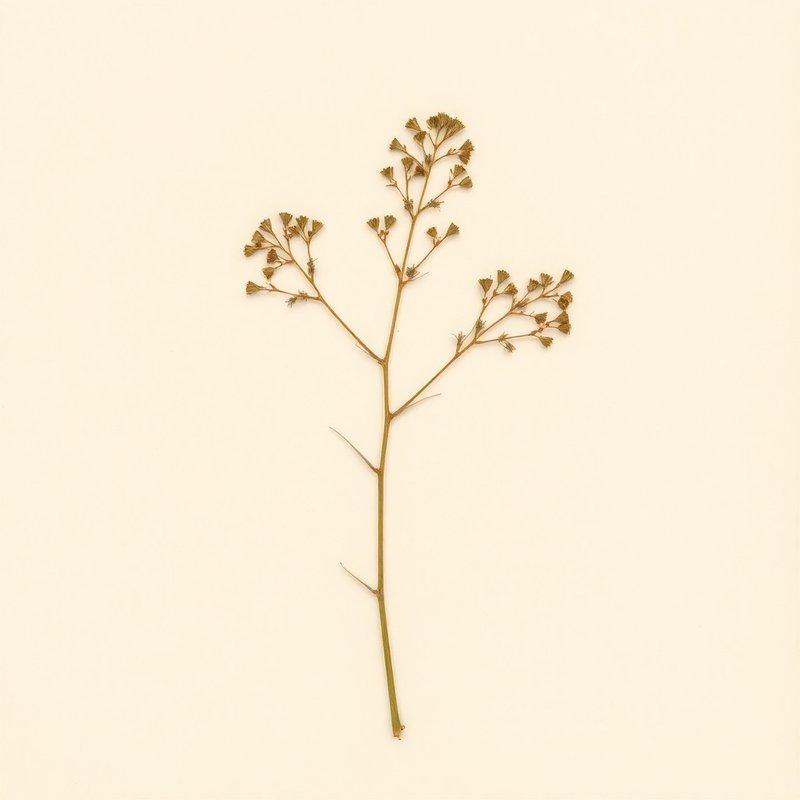
IOverview
Overview
Elaeagnus gonyanthes is a shrub in the family Elaeagnaceae, the group that includes the oleasters and silverberries. It grows to roughly 4 metres tall at a medium rate, with a shrubby habit suited to ornamental and mixed plantings. Its native range spans Cambodia, Laos, Vietnam, Hainan, and both south-central and south-eastern China, where it occurs in warm, seasonally dry to moist climates. In cultivation it performs best in full sun and adapts to light sandy, medium, and heavy clay soils, tolerating both dry and moist ground, though it is not noted as strongly drought resistant. The plant is grown for its edible fruit and seeds, which can be eaten raw or used in various preparations; the seeds are also utilised, though the supplied data does not describe particular methods of preparation. Beyond its edible value, E. gonyanthes is recorded as a nitrogen fixer, a trait shared with other members of its family that can improve soil fertility for neighbouring plants. This makes it a practical choice in mixed or low-input plantings where soil building is welcome, as well as an ornamental shrub in suitable climates. Because the fruit and seeds are the parts used, careful identification matters: gather and prepare only material you can confirm is E. gonyanthes, and treat any wild-collected food with normal caution.
What is Elaeagnus gonyanthes?
Elaeagnus gonyanthes is a shrub in the family Elaeagnaceae, the group that includes the oleasters and silverberries. It grows to roughly 4 metres tall at a medium rate, with a shrubby habit suited to ornamental and mixed plantings.
VCultivation
Cultivation
How to grow Elaeagnus gonyanthes for the first time
Start with Elaeagnus gonyanthes as a simple, low-maintenance addition to your garden.
- 1
What you'll need
A young Elaeagnus gonyanthes plant or seeds.
- 2
Best time to plant
Plant in spring when the soil is moist and warm.
- 3
Soil and container prep
Use well-draining soil with a mix of light, medium, or heavy textures.
- 4
Sowing or transplanting
Transplant young plants or sow seeds directly into the ground in early spring.
- 5
First two weeks
Water regularly to keep the soil moist but not waterlogged.
- 6
Ongoing care
Provide full sun and minimal watering once established. Prune lightly if needed.
- 7
Harvest or pruning
Prune in late winter to maintain shape and remove dead branches.
- 8
Common mistakes
Overwatering, planting in heavy shade, neglecting pruning.
VIEdible & utility
Edible & utility
VIIDistribution
6 native · 0 introduced
Distribution
6 native · 0 introducedIXSpecimen gallery
1 image
Specimen gallery
1 imageExplore further
About this entry
- Last updated
- Citation
- How to cite this entry · Submit a correction
Continue reading
Get archive updates
Occasional email when substantial new content lands — plant profiles, seasonal growing notes, folk-remedy additions. Free, no tracking, unsubscribe anytime.