
Elaeagnus
Elaeagnus x ebbingei
Educational content — not medical, botanical, or professional advice. Plant identification, safety, and edibility depend on local conditions, cultivars, and correct identification. Consult a qualified botanist or forager before consuming or handling wild specimens. How we source & review →
Garden journal pausedUse profile notes below
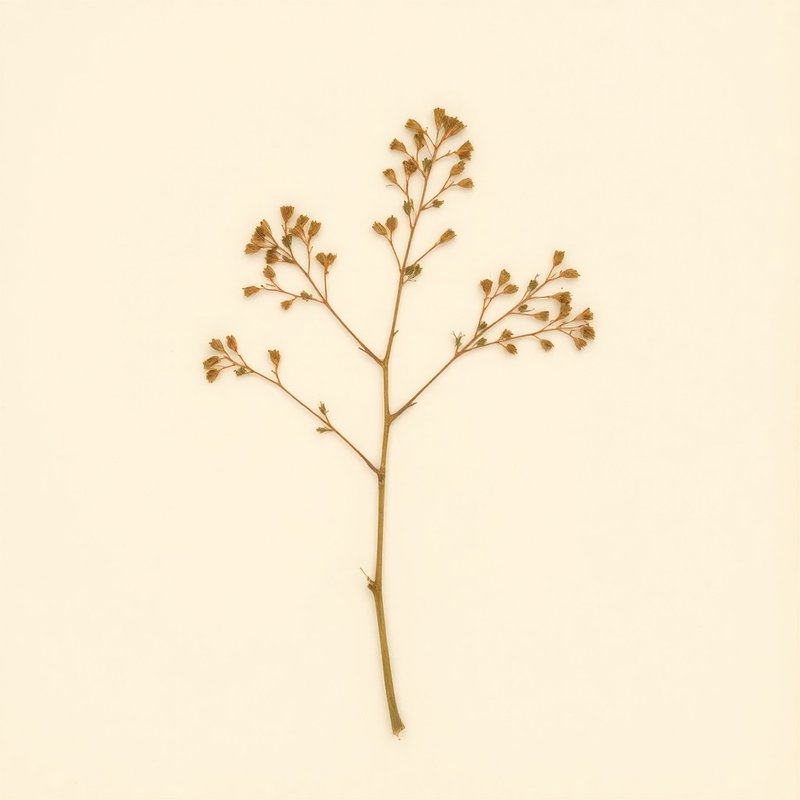
Pl. 5C2F — Elaeagnus x ebbingei
Elaeagnus x ebbingeiElaeagnus x ebbingeiElaeagnus x ebbingeiElaeagnus x ebbingeiElaeagnus x ebbingeiElaeagnus x ebbingeiElaeagnus x ebbingeiElaeagnus x ebbingeiElaeagnus x ebbingeiElaeagnus x ebbingeiElaeagnus x ebbingeiElaeagnus x ebbingeiElaeagnus x ebbingeiElaeagnus x ebbingei
IOverview
Overview
Elaeagnus x ebbingei is a perennial shrub native to Japan and Korea, known for its adaptability and ornamental value. This plant thrives in various growing conditions, including light (sandy), medium, and heavy (clay) soils, tolerating full sun, partial shade, and even full shade. Its fruit, which resembles a small apple, is edible and can be consumed raw or dried for later use. The seed of Elaeagnus x ebbingei is also considered edible, making it a valuable source of nutrition in its native range. In cultivation, this shrub serves multiple purposes, acting as an effective companion plant, hedgerow, nitrogen fixer, and providing fragrance to gardens. It has been introduced into Great Britain, where it can be found thriving in similar conditions to its native habitats. The distinctive feature of Elaeagnus x ebbingei is its ability to produce small, winged seeds that are dispersed by wind, contributing to its spread and adaptability. While the plant's fruit and seed offer edible benefits, caution should be exercised when handling or consuming parts of Elaeagnus species, as some may contain compounds that could cause irritation or allergic reactions.
Quick answers
What is Elaeagnus?
Elaeagnus x ebbingei is a perennial shrub native to Japan and Korea, known for its adaptability and ornamental value. This plant thrives in various growing conditions, including light (sandy), medium, and heavy (clay) soils, tolerating full sun, partial shade, and even full shade.
Growingconditions · propagation · uses
VCultivation
Cultivation
Elaeagnus x ebbingei is a perennial plant that thrives in temperate regions with hardiness levels ranging from 5 to 9. It prefers well-drained soil and can tolerate a variety of conditions, including full sun, partial shade, and full shade. The plant requires moderate watering needs, but can also survive with dry conditions. In terms of light, it is adaptable to different intensities. For propagation, seeds are the most common method, although other methods may be used as well. Edible parts include fruit and seed, making this plant a valuable addition to gardens seeking edible options.
Light
Full sun, Partial sun/shade, Full shade
Water
Dry, Moist
Soil
Light (sandy), Medium, Heavy (clay)
Hardiness
5-9
Life cycle
Perennial
Mature size
5.0 m tall
For first-time growers
How to grow Elaeagnus for the first time
8steps
Start with Elaeagnus x ebbingei as a simple, low-maintenance addition to your garden.
- 1
What you'll need
A young Elaeagnus x ebbingei plant, well-draining soil, and a watering can or hose.
- 2
Best time to plant
Plant in spring after the last frost or fall before the first freeze.
- 3
Soil and container prep
Ensure the soil is well-draining. For containers, use a mix of light (sandy), medium, and heavy (clay) soils.
- 4
Sowing or transplanting
Transplant young plants directly into the garden or in a large container with enough space for growth.
- 5
First two weeks
Water regularly to keep the soil moist but not waterlogged. Monitor for signs of stress.
- 6
Ongoing care
Provide full sun to partial shade, and water when the soil feels dry. Prune lightly in late winter or early spring.
- 7
Harvest or pruning
Prune in late winter to maintain shape and remove any dead or diseased branches. Fruit can be harvested in autumn.
- 8
Common mistakes
Overwatering, planting in heavy clay soil without drainage, and not providing enough sunlight.
VIEdible & utility
Edible & utility
Edible parts:FruitSeed
Edible uses: The fruit of Elaeagnus x ebbingei is edible and can be consumed raw or dried for later use. The seed is also considered edible. In its native range, the plant's fruit is typically eaten fresh or used in traditional preparations. No specific preparation methods are documented beyond these basic uses.
Other uses:CompanionHedgerowNitrogen fixerFragrance
Contextrange · companions · related
VIIDistribution
2 native · 1 introduced
Distribution
2 native · 1 introducedDistribution across2 continents· 2 native· 1 introduced
Europe1 region
introduced (1)United Kingdom
Asia2 regions
native (2)JapanSouth Korea
IXSpecimen gallery
1 image
Specimen gallery
1 imageXI
Explore further
XII
About this entry
- Last updated
- Citation
- How to cite this entry · Submit a correction
Back to the cataloguePlant id · 5c2f9a24-f039-46e4-87ba-d768b4ace836
Decision aid
Choosing between Elaeagnus and something else?
Continue reading
❦❦❦❦
Endpaper · archive updates
Get archive updates
Occasional email when substantial new content lands — plant profiles, seasonal growing notes, folk-remedy additions. Free, no tracking, unsubscribe anytime.
Newsletter returning soon.
We are rebuilding the update list around a lightweight editorial workflow. New dispatches will resume after the next content review cycle.