
African Oil Palm
Elaeis guineensis
Educational content — not medical, botanical, or professional advice. Plant identification, safety, and edibility depend on local conditions, cultivars, and correct identification. Consult a qualified botanist or forager before consuming or handling wild specimens. How we source & review →
Garden journal pausedUse profile notes below
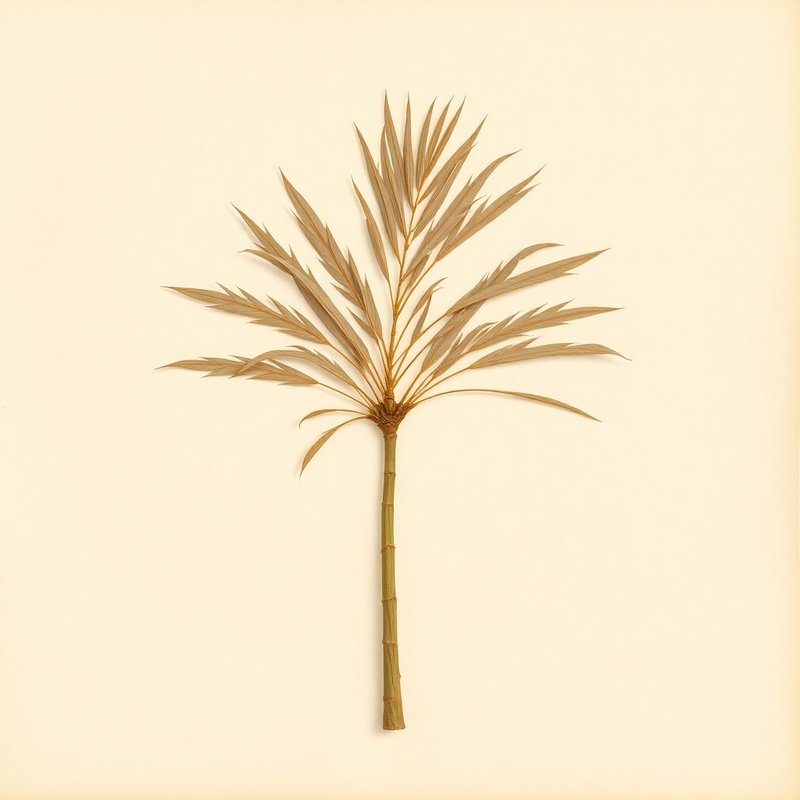
Pl. 210E — Elaeis guineensis
Elaeis guineensisElaeis guineensisElaeis guineensisElaeis guineensisElaeis guineensisElaeis guineensisElaeis guineensisElaeis guineensisElaeis guineensisElaeis guineensisElaeis guineensisElaeis guineensisElaeis guineensisElaeis guineensis
IOverview
Overview
The African Oil Palm (Elaeis guineensis), native to coastal regions of West and Central Africa including Angola, Benin, Cameroon, and Gabon, is a tall tree that thrives in full sun and moist to wet soils, adapting well to light (sandy), medium, or heavy (clay) conditions. Reaching heights of 15 meters, this palm plays a significant role in the local economy due to its edible oil-rich seeds and valuable sap, which can be processed into various products such as cosmetics, textiles, and soaps. The African Oil Palm is known for its versatile utility, with apical buds, seeds, and sap being particularly important. The apical bud and seed are primarily used for oil production, while the sap can be tapped to extract a palm wine or used in crafting and weaving materials. This tree's economic importance extends beyond its native range, as it has been introduced to numerous other regions including Andaman Islands, Bangladesh, and Vietnam. Growing conditions for the African Oil Palm include moist, wet soils with good drainage, making it suitable for areas where consistent moisture is available. Its hardiness ranges from zones 10-12, allowing it to thrive in a variety of climates within its native range and beyond. While primarily used for its edible and economic benefits, the African Oil Palm's distinctive tall stature and adaptability make it an interesting ornamental addition to gardens or landscapes where similar palms are grown. Cultivation of this tree involves using apical buds, sap, or seeds for propagation. Gardeners should ensure that the planting site has adequate drainage while maintaining consistent moisture levels for optimal growth. The African Oil Palm's economic and practical importance makes it a valuable resource in both its native and introduced regions.
Quick answers
What is African Oil Palm?
The African Oil Palm (Elaeis guineensis), native to coastal regions of West and Central Africa including Angola, Benin, Cameroon, and Gabon, is a tall tree that thrives in full sun and moist to wet soils, adapting well to light (sandy), medium, or heavy (clay) conditions.
Growingconditions · propagation · uses
VCultivation
Cultivation
African Oil Palm thrives in full sun and requires moist to wet soil that can be light (sandy), medium, or heavy (clay). It is hardy in zones 10-12 and grows up to 15 meters tall as a tree. For propagation, gardeners can use apical buds, sap, or seeds. Ensure the planting site has good drainage while maintaining consistent moisture for optimal growth.
Light
Full sun
Water
Moist, Wet
Soil
Light (sandy), Medium, Heavy (clay)
Hardiness
10-12
Habit
Tree
Mature size
15.0 m tall
For first-time growers
How to grow African Oil Palm for the first time
7steps
Start with a simple planting approach to grow an African Oil Palm as a beginner gardener.
- 1
What you'll need
African Oil Palm seeds, potting mix suitable for palms, a large container or well-draining soil in the ground.
- 2
Best time to plant
Plant African Oil Palms during spring when temperatures are consistently above 20°C (68°F).
- 3
Soil and container prep
Ensure the soil is light, well-draining, and rich in organic matter. For containers, use a mix of potting soil and perlite or sand for better drainage.
- 4
Sowing or transplanting
Plant seeds 2-3 cm deep in the center of your container or directly into the ground. Space multiple plants at least 5 meters apart to allow room for growth.
- 5
First two weeks
Keep soil consistently moist but not waterlogged. Place the plant in a sunny spot and avoid direct sunlight during this period.
- 6
Ongoing care
Provide full sun, regular watering, especially when young, and occasional feeding with palm-specific fertilizer to promote healthy growth.
- 7
Harvest or pruning
Prune dead leaves and branches regularly to maintain the plant's health. Harvesting sap is complex and not recommended for beginners.
VIEdible & utility
Edible & utility
Edible parts:Apical budSapSeed
Edible uses: Oil, Drink
Other uses:Weaving materialCraftingCosmeticFencingFertilizerFiberFire starterHairoiltextilesPreservativeResinSoap
Contextrange · companions · related
VIIDistribution
25 native · 25 introduced
Distribution
25 native · 25 introducedDistribution across4 continents· 25 native· 25 introduced
Asia3 regions
introduced (3)BangladeshSri LankaVietnam
Americas7 regions
introduced (7)BoliviaCosta RicaDominican RepublicEl SalvadorHaitiNicaraguaPuerto Rico
Africa27 regions
native (21)AngolaBeninCameroonChadCôte d'IvoireGabonGambiaGhanaGuineaGuinea-BissauKenyaLiberiaMalawiMozambiqueNigeriaSenegalSierra LeoneSudanTanzaniaTogoUganda
introduced (6)Burkina FasoBurundiComorosEthiopiaMadagascarRwanda
Oceania1 region
introduced (1)Fiji
Broader regions
native:Central African Repu, Congo, Gulf of Guinea Is., Zaïre
introduced:Andaman Is., Bismarck Archipelago, Caroline Is., Malaya, Nicobar Is., Society Is., Sumatera, Trinidad-Tobago
IXSpecimen gallery
1 image
Specimen gallery
1 imageXI
Explore further
Companion planting
Growing zone
XII
About this entry
- Last updated
- Citation
- How to cite this entry · Submit a correction
Back to the cataloguePlant id · 210e4ceb-41e0-486e-bd69-8c52e7ec7e91
Decision aid
Choosing between African Oil Palm and something else?
Continue reading
❦❦❦❦
Endpaper · archive updates
Get archive updates
Occasional email when substantial new content lands — plant profiles, seasonal growing notes, folk-remedy additions. Free, no tracking, unsubscribe anytime.
Newsletter returning soon.
We are rebuilding the update list around a lightweight editorial workflow. New dispatches will resume after the next content review cycle.