
Elatostema dissectum
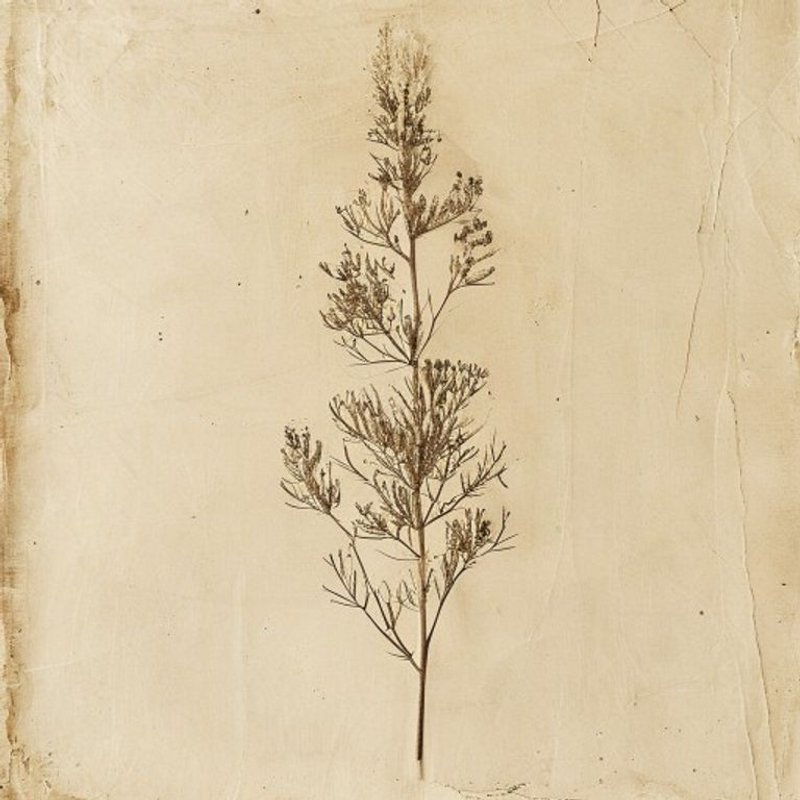
IOverview
Overview
Elatostema dissectum, commonly known as Elatostema dissectum, is a perennial plant native to the forests of Assam, Bangladesh, China South-Central and Southeast regions, East Himalaya, Laos, Myanmar, Nepal, Thailand, and Vietnam. This plant thrives in moist environments with partial sun or shade and can grow up to 0.7 meters tall. It is known for its edible fruit and leaves, making it a valuable resource in the areas where it grows. The leaves can be eaten fresh or cooked as a vegetable, while the fruit is typically consumed raw. Both parts are commonly used in local cuisine but specific preparation methods vary by region. One distinctive feature of this plant is its ability to adapt to various soil types, including light sandy, medium, and heavy clay soils, while requiring full or partial sunlight. While Elatostema dissectum is not known for medicinal uses, its edible parts make it an important part of the local diet in its native regions.
What is Elatostema dissectum?
Elatostema dissectum, commonly known as Elatostema dissectum, is a perennial plant native to the forests of Assam, Bangladesh, China South-Central and Southeast regions, East Himalaya, Laos, Myanmar, Nepal, Thailand, and Vietnam. This plant thrives in moist environments with partial sun or shade and can grow up to 0.
VCultivation
Cultivation
How to grow Elatostema dissectum for the first time
Start with Elatostema dissectum as a simple, low-maintenance perennial for your garden.
- 1
What you'll need
Seeds or young plants, potting soil, containers or garden space.
- 2
Best time to plant
Plant in spring when the weather starts warming up.
- 3
Soil and container prep
Use well-draining soil with a mix of light (sandy), medium, and heavy (clay) textures.
- 4
Sowing or transplanting
Direct sow seeds in the garden or start them indoors 4-6 weeks before planting outside. Transplant young plants carefully to avoid damaging roots.
- 5
First two weeks
Water regularly, keeping soil moist but not waterlogged. Place in partial sun to ensure healthy growth.
- 6
Ongoing care
Provide full or partial sun and keep the soil consistently moist. Prune occasionally for shape and remove any dead leaves.
- 7
Harvest or pruning
Prune plants lightly to encourage bushier growth and remove any yellowing leaves.
VIEdible & utility
Edible & utility
VIIDistribution
10 native · 0 introduced
Distribution
10 native · 0 introducedIXSpecimen gallery
1 image
Specimen gallery
1 imageExplore further
About this entry
- Last updated
- Citation
- How to cite this entry · Submit a correction
Continue reading
Get archive updates
Occasional email when substantial new content lands — plant profiles, seasonal growing notes, folk-remedy additions. Free, no tracking, unsubscribe anytime.