
Finger Millet
Eleusine coracana
Educational content — not medical, botanical, or professional advice. Plant identification, safety, and edibility depend on local conditions, cultivars, and correct identification. Consult a qualified botanist or forager before consuming or handling wild specimens. How we source & review →
Garden journal pausedUse profile notes below
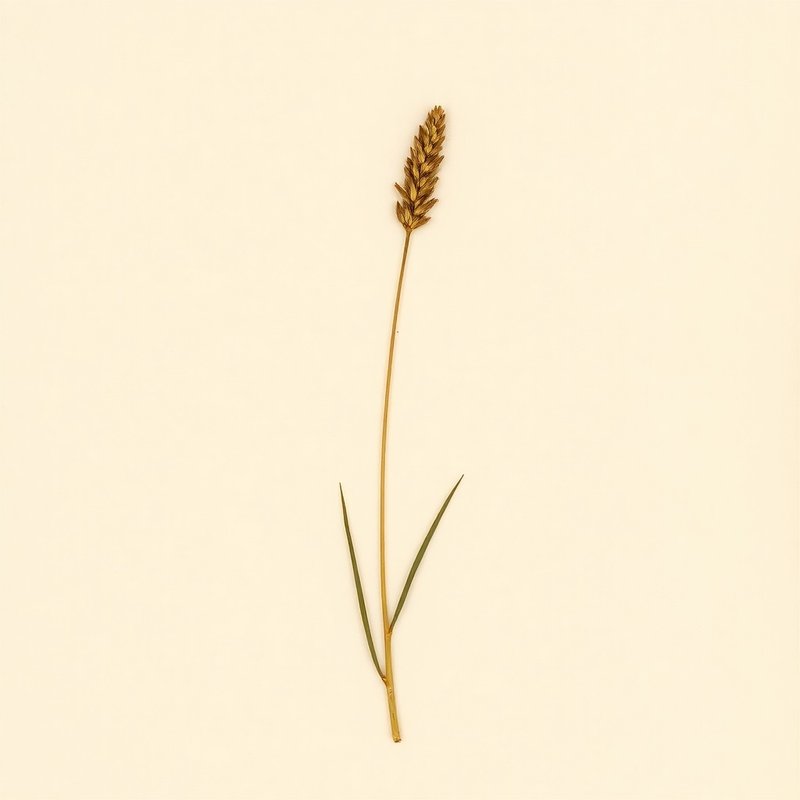
Pl. C962 — Eleusine coracana
Eleusine coracanaEleusine coracanaEleusine coracanaEleusine coracanaEleusine coracanaEleusine coracanaEleusine coracanaEleusine coracanaEleusine coracanaEleusine coracanaEleusine coracanaEleusine coracanaEleusine coracanaEleusine coracana
IOverview
Overview
Finger Millet, scientifically known as Eleusine coracana, is an annual graminoid native to a diverse range of African countries including Angola, Burkina, Burundi, Cameroon, Central African Republic, Chad, Ethiopia, Nigeria, Rwanda, Socotra, Sudan, and Zaïre. This plant thrives in full sun with moist soil that can be light (sandy), medium, or heavy (clay). Finger millet grows up to 0.3 meters tall and is known for its edible seeds, which are often ground into flour for baking or used to make porridge. The seeds can also be eaten whole as a snack or cooked in stews, making it a valuable crop in many parts of Africa where it is cultivated. Finger millet's adaptability to various soil conditions contributes to its widespread cultivation across its native range and beyond. It has been introduced into numerous regions such as Afghanistan, Andaman Islands, Assam, Bangladesh, Brazil West-Central, China North-Central, China South-Central, China Southeast, Czechoslovakia, East Himalaya, Egypt, Fiji, Gulf States, Hainan, India, Inner Mongolia, Japan, Jawa, Laos, Lesser Sunda Islands, Libya, Malaya, Maldives, Mali, Maluku, Marianas, Mauritius, Myanmar, Nepal, Nicobar Islands, Oman, Pakistan, Philippines, Réunion, Saudi Arabia, Senegal, South Carolina, Sri Lanka, Sulawesi, Sumatera, Taiwan, Tanzania, Thailand, Transcaucasus, Trinidad-Tobago, Tunisia, Vietnam, West Himalaya, Western Australia, and Yemen. This plant's ability to grow in diverse environments makes it a versatile crop for cultivation. While finger millet is primarily known for its edible seeds, the distinctive white flowers add aesthetic value to its ornamental use. Its hardiness in zones 8-11 further enhances its suitability for temperate regions where it can be grown directly into the garden after all danger of frost has passed.
Quick answers
What is Finger Millet?
Finger Millet, scientifically known as Eleusine coracana, is an annual graminoid native to a diverse range of African countries including Angola, Burkina, Burundi, Cameroon, Central African Republic, Chad, Ethiopia, Nigeria, Rwanda, Socotra, Sudan, and Zaïre.
Growingconditions · propagation · uses
VCultivation
Cultivation
Finger Millet thrives in full sun and requires moist soil that can be light (sandy), medium, or heavy (clay). It is hardy in zones 8-11 and grows to a height of about 0.3 meters as an annual plant. For propagation, sow seeds directly into the garden after all danger of frost has passed. This grain crop is suitable for temperate regions and can be grown in various soil types, making it adaptable to different gardening conditions.
Light
Full sun
Water
Moist
Soil
Light (sandy), Medium, Heavy (clay)
Hardiness
8-11
Life cycle
Annual
Habit
Graminoid
Mature size
0.3 m tall
For first-time growers
How to grow Finger Millet for the first time
8steps
Start with easy-to-grow Finger Millet for a rewarding beginner gardening experience.
- 1
What you'll need
Finger Millet seeds, a small trowel or scoop, and a container or garden plot.
- 2
Best time to plant
Plant Finger Millet in spring when the soil has warmed up and all frost danger is past.
- 3
Soil and container prep
Ensure your soil is well-draining, with a mix of light (sandy), medium, or heavy clay soils. Containers should be at least 30 cm deep.
- 4
Sowing or transplanting
Direct sow seeds about 2.5 cm deep and 15-20 cm apart in rows spaced 45-60 cm apart. Alternatively, start seeds indoors a few weeks before planting outside.
- 5
First two weeks
Keep the soil moist but not waterlogged during germination. Thin seedlings to about 30 cm apart once they have several leaves.
- 6
Ongoing care
Water regularly, especially in dry periods, and mulch around plants to retain moisture. Fertilize lightly with compost or well-rotted manure.
- 7
Harvest or pruning
Prune any dead or yellowing leaves to encourage new growth and maintain plant health. Harvest the seeds when they turn a golden brown color, usually 90-120 days after planting.
- 8
Common mistakes
Overwatering, not providing enough sunlight, neglecting to thin seedlings, using chemical fertilizers or pesticides, and sowing too deep.
VIEdible & utility
Edible & utility
Edible parts:Seed
Edible uses: The finger millet seed is edible and can be consumed in various forms. It is often ground into flour for baking or used to make porridge. The seeds are also eaten whole as a snack or cooked in stews. Skip
Contextrange · companions · related
VIIDistribution
12 native · 50 introduced
Distribution
12 native · 50 introducedDistribution across3 continents· 12 native· 50 introduced
Asia18 regions
introduced (18)AfghanistanBangladeshChinaIndiaJapanLaosMaldivesMyanmarNepalOmanPakistanPhilippinesSaudi ArabiaSri LankaTaiwanThailandVietnamYemen
Africa16 regions
native (9)AngolaBurkina FasoBurundiCameroonChadEthiopiaNigeriaRwandaSudan
introduced (7)EgyptLibyaMaliMauritiusSenegalTanzaniaTunisia
Oceania1 region
introduced (1)Fiji
Broader regions
native:Central African Repu, Socotra, Zaïre
introduced:Andaman Is., Brazil West-Central, Czechoslovakia, East Himalaya, Gulf States, Hainan, Jawa, Lesser Sunda Is., Malaya, Maluku, Marianas, Nicobar Is., Réunion, South Carolina, Sulawesi, Sumatera, Transcaucasus, Trinidad-Tobago, West Himalaya, Western Australia
IXSpecimen gallery
1 image
Specimen gallery
1 imageXI
Explore further
XII
About this entry
- Last updated
- Citation
- How to cite this entry · Submit a correction
Back to the cataloguePlant id · c9628ad2-ed0e-4d60-9c71-6d234da963e4
Decision aid
Choosing between Finger Millet and something else?
Continue reading
❦❦❦❦
Endpaper · archive updates
Get archive updates
Occasional email when substantial new content lands — plant profiles, seasonal growing notes, folk-remedy additions. Free, no tracking, unsubscribe anytime.
Newsletter returning soon.
We are rebuilding the update list around a lightweight editorial workflow. New dispatches will resume after the next content review cycle.