
Couch Grass
Elytrigia repens
Educational content — not medical, botanical, or professional advice. Plant identification, safety, and edibility depend on local conditions, cultivars, and correct identification. Consult a qualified botanist or forager before consuming or handling wild specimens. How we source & review →
Garden journal pausedUse profile notes below
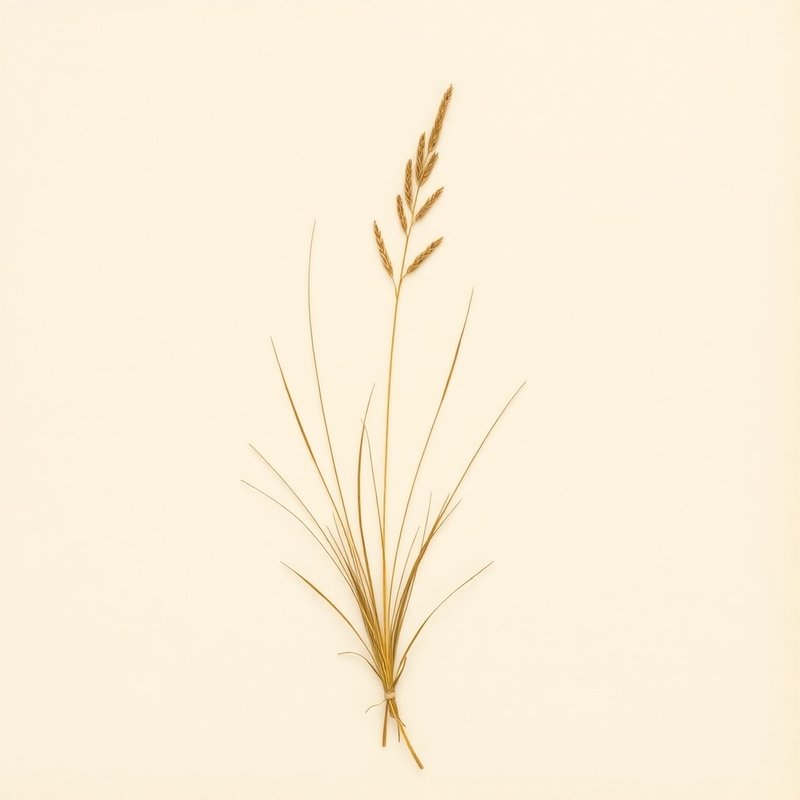
Pl. 9DD4 — Elytrigia repens
Elytrigia repensElytrigia repensElytrigia repensElytrigia repensElytrigia repensElytrigia repensElytrigia repensElytrigia repensElytrigia repensElytrigia repensElytrigia repensElytrigia repensElytrigia repensElytrigia repens
IOverview
Overview
Couch Grass (Elytrigia repens), a perennial grass native to regions spanning from Europe and Asia to North Africa and the Middle East, is highly adaptable due to its wide pH tolerance ranging from 5.2 to 7.8. This hardy plant thrives in various soil types, including light sandy, medium, and heavy clay conditions, making it suitable for diverse growing environments. Known for its edible parts—leaves, roots, seeds, and shoots—it is widely used in culinary applications. Couch Grass can grow up to 0.6 meters tall and is commonly found in habitats such as Afghanistan, Albania, Algeria, Austria, and many other countries listed above. Its distinctive feature lies in its ability to grow in diverse environments, making it a resilient and widespread species. This plant is often used for erosion control due to its robust root system and can also serve as animal feed. While primarily recognized for its culinary uses, Couch Grass is hardy and adaptable, thriving in light (sandy) to heavy soils with medium atmospheric humidity. It prefers well-drained conditions but will tolerate moist environments. Propagation occurs through roots, shoots, leaves, and seeds, ensuring the plant's persistence across various cultivation contexts. Cautiously note that while Couch Grass has multiple practical uses, it is not recommended for medicinal purposes or direct consumption without expert guidance due to potential allergenic properties.
Quick answers
What is Couch Grass?
Couch Grass (Elytrigia repens), a perennial grass native to regions spanning from Europe and Asia to North Africa and the Middle East, is highly adaptable due to its wide pH tolerance ranging from 5.2 to 7.8.
Growingconditions · propagation · uses
VCultivation
Cultivation
Couch Grass thrives in light to moist conditions and prefers well-drained soils of medium or heavy consistency with a pH between 5.2 and 7.8. It is a perennial graminoid that grows up to 0.6 meters tall and can be propagated through its roots, shoots, leaves, and seeds. This plant is hardy in temperate regions and can tolerate various habitats across Europe, Asia, and North Africa. Ensure the soil remains consistently moist but not waterlogged for best growth. While it prefers light (sandy) to heavy soils, it will also adapt to medium-textured ones. Skip fertilization as it grows well in a range of conditions.
Light
7/10
Water
Dry, Moist, wet
Soil
Light (sandy), Medium, Heavy (clay)
Life cycle
Perennial
Habit
Graminoid
Mature size
0.6 m tall
Soil pH
5.2–7.8
For first-time growers
How to grow Couch Grass for the first time
8steps
Start with basic soil preparation and planting, focusing on simple care routines.
- 1
What you'll need
A spade or trowel, seeds or established plants, a garden fork.
- 2
Best time to plant
Plant in early spring or late autumn when the soil is moist but not waterlogged.
- 3
Soil and container prep
Ensure the soil is well-draining with a pH between 5.2 and 7.8, loosen it to about 30 cm deep.
- 4
Sowing or transplanting
Plant seeds 1-2 cm deep in rows spaced 30-45 cm apart; for transplants, space them 30-60 cm apart.
- 5
First two weeks
Keep the soil consistently moist but not soggy. Water gently to avoid disturbing young roots.
- 6
Ongoing care
Water regularly during dry spells and mulch around plants to retain moisture and suppress weeds.
- 7
Harvest or pruning
Prune dead foliage in late winter to maintain a neat appearance; shoots can be harvested for culinary use.
- 8
Common mistakes
Overwatering, planting too deep, neglecting regular maintenance, not mulching properly.
VIEdible & utility
Edible & utility
Edible parts:LeavesRootSeedShoots
Edible uses: Coffee
Other uses:DyeAnimal feedErosion control
Contextrange · companions · related
VIIDistribution
84 native · 91 introduced
Distribution
84 native · 91 introducedDistribution across4 continents· 84 native· 91 introduced
Europe28 regions
native (26)AlbaniaAustriaBelarusBelgiumBulgariaCyprusDenmarkFinlandFranceGermanyGreeceHungaryIcelandIrelandItalyNetherlandsNorwayPolandPortugalRomaniaRussiaSpainSwedenSwitzerlandUkraineUnited Kingdom
introduced (2)PortugalSpain
Asia12 regions
native (11)AfghanistanChinaIranIraqKazakhstanMongoliaPakistanSouth KoreaTurkeyTurkmenistanUzbekistan
introduced (1)Japan
Americas3 regions
introduced (3)GreenlandPeruUnited States
Africa5 regions
native (4)AlgeriaLibyaMoroccoTunisia
introduced (1)Cameroon
Broader regions
native:Altay, Amur, Baltic States, Buryatiya, Chita, Czechoslovakia, East Aegean Is., East Himalaya, Føroyar, Irkutsk, Kamchatka, Khabarovsk, Kirgizstan, Krasnoyarsk, Kuril Is., Lebanon-Syria, Magadan, Primorye, Sakhalin, Tadzhikistan, Transcaucasus, Turkey-in-Europe, Tuva, West Himalaya, Yakutskiya, Yugoslavia
introduced:Alberta, Antipodean Is., Argentina Northeast, Argentina South, Arizona, Arkansas, British Columbia, California, Cape Provinces, Caroline Is., Chatham Is., Chile Central, Chile South, Colorado, Connecticut, Crozet Is., Delaware, District of Columbia, Falkland Is., Idaho, Illinois, Indiana, Iowa, Kansas, Kentucky, Kerguelen, Labrador, Maine, Manitoba, Marion-Prince Edward, Maryland, Masachusettes, Massachusetts, Mexico Central, Mexico Northeast, Mexico Northwest, Michigan, Minnesota, Mississippi, Missouri, Montana, Nebraska, Nevada, New Brunswick, New Hampshire, New Jersey, New Mexico, New South Wales, New York, New Zealand North, New Zealand South, Newfoundland, North Carolina, North Dakota, Northwest Territorie, Nova Scotia, Nunavut, Ohio, Oklahoma, Ontario, Oregon, Pennsylvania, Prince Edward I., Québec, Rhode I., Saskatchewan, South Australia, South Dakota, South Georgia, Tasmania, Tennessee, Texas, Utah, Vermont, Victoria, Virginia, Washington, West Virginia, Western Australia, Wisconsin, Wyoming, Yukon
IXSpecimen gallery
1 image
Specimen gallery
1 imageXI
Explore further
Companion planting
Native to
XII
About this entry
- Last updated
- Citation
- How to cite this entry · Submit a correction
Back to the cataloguePlant id · 9dd4dbc8-1486-4e8c-a01c-b3f52c702bf1
Decision aid
Choosing between Couch Grass and something else?
Continue reading
❦❦❦❦
Endpaper · archive updates
Get archive updates
Occasional email when substantial new content lands — plant profiles, seasonal growing notes, folk-remedy additions. Free, no tracking, unsubscribe anytime.
Newsletter returning soon.
We are rebuilding the update list around a lightweight editorial workflow. New dispatches will resume after the next content review cycle.