
Cupid's Shaving Brush
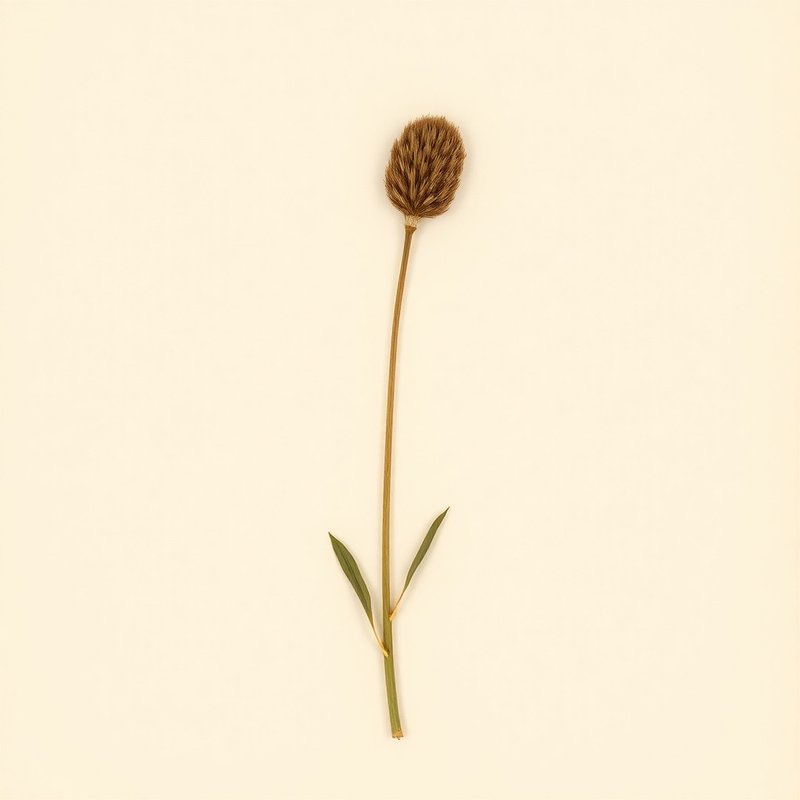
IOverview
Overview
Cupid's Shaving Brush, scientifically known as Emilia sonchifolia, is an annual forb or herb native to a wide range of regions including Angola, Bangladesh, Benin, and Cambodia, and has been introduced to areas such as Belize, Bolivia, and Brazil Southeast. This plant thrives in moist environments, preferring light, full sun and adaptable soil types, from sandy to clay. It can grow up to 0.6 meters in height, making it a notable presence in gardens or natural landscapes. The leaves and shoots of Cupid's Shaving Brush are edible and can be consumed raw or cooked, with young shoots often used in salads or steamed as a vegetable. The plant is found in various parts of Asia and Africa, including China North-Central, South-Central, and Southeast, as well as regions like Japan, India, and Madagascar. While primarily ornamental and edible, Cupid's Shaving Brush can also be used in culinary contexts, adding a unique flavor to dishes. Its adaptability and ornamental value make it a useful addition to gardens and landscapes.
What is Cupid's Shaving Brush?
Cupid's Shaving Brush, scientifically known as Emilia sonchifolia, is an annual forb or herb native to a wide range of regions including Angola, Bangladesh, Benin, and Cambodia, and has been introduced to areas such as Belize, Bolivia, and Brazil Southeast.
VCultivation
Cultivation
How to grow Cupid's Shaving Brush for the first time
Start with Cupid's Shaving Brush as an easy-to-grow annual herb for beginners.
- 1
What you'll need
Seeds or seedlings, a small trowel, and a watering can.
- 2
Best time to plant
Plant in late spring after the last frost when temperatures are consistently above 10°C (50°F).
- 3
Soil and container prep
Choose a well-draining soil mix. Ensure containers have drainage holes if planting in pots.
- 4
Sowing or transplanting
Direct sow seeds 0.6 m apart, or start seedlings indoors and transplant them later.
- 5
First two weeks
Water regularly to keep the soil moist but not waterlogged. Provide full sun exposure.
- 6
Ongoing care
Water when the top inch of soil feels dry. Fertilize lightly every 4-6 weeks with a balanced liquid fertilizer.
- 7
Harvest or pruning
Prune back any leggy growth to encourage bushy foliage and prevent flowering, which can reduce leaf production.
- 8
Common mistakes
Overwatering, planting in heavy soil, neglecting to prune, and not providing enough sunlight.
VIEdible & utility
Edible & utility
VIIDistribution
40 native · 50 introduced
Distribution
40 native · 50 introducedIXSpecimen gallery
1 image
Specimen gallery
1 imageExplore further
About this entry
- Last updated
- Citation
- How to cite this entry · Submit a correction
Continue reading
Get archive updates
Occasional email when substantial new content lands — plant profiles, seasonal growing notes, folk-remedy additions. Free, no tracking, unsubscribe anytime.