
Eminium spiculatum
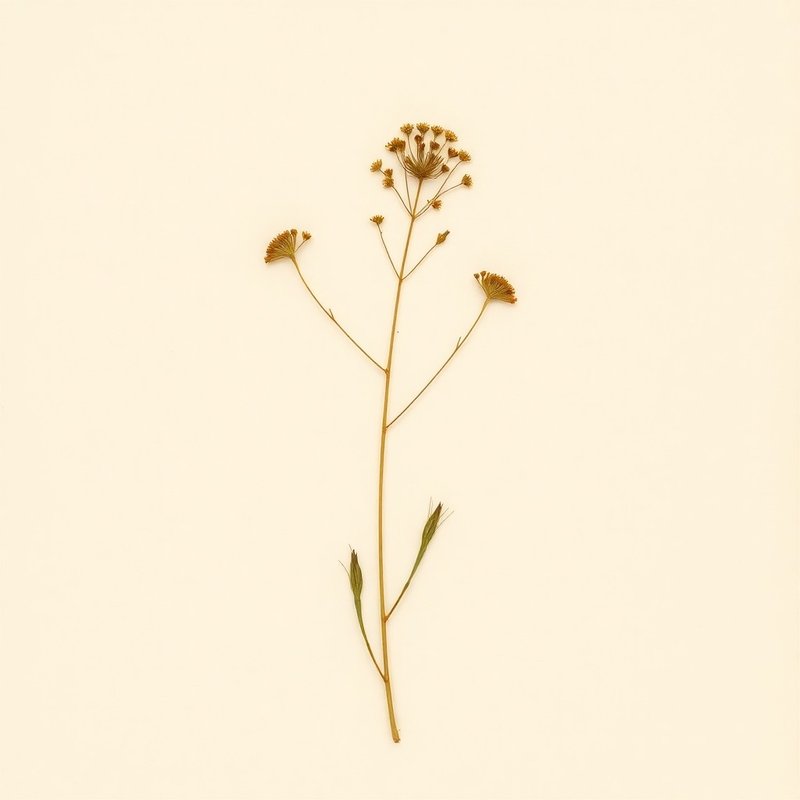
IOverview
Overview
Eminium spiculatum, known as Skip in common parlance, is a perennial plant native to the arid and semi-arid regions of Egypt, Iran, Iraq, Lebanon-Syria, Palestine, Sinai, and Turkey. This light-loving, drought-tolerant species thrives in dry to moist conditions with well-drained soil, making it adaptable to various environments within its native range. Standing at a modest height of 0.3 meters, Skip is valued for its edible roots, which can be harvested for consumption. Its distinctive feature lies in its ability to grow in a variety of soil types, from light sandy to medium-textured soils, and its hardiness across USDA zones 7-10.
What is Eminium spiculatum?
Eminium spiculatum, known as Skip in common parlance, is a perennial plant native to the arid and semi-arid regions of Egypt, Iran, Iraq, Lebanon-Syria, Palestine, Sinai, and Turkey.
VCultivation
Cultivation
How to grow Eminium spiculatum for the first time
Start with planting Eminium spiculatum in a sunny spot, and follow these simple steps for success.
- 1
What you'll need
A small plant or seeds, a pot if container gardening, good quality soil.
- 2
Best time to plant
Plant in spring when the weather starts warming up.
- 3
Soil and container prep
Use well-draining soil. For containers, choose one with drainage holes.
- 4
Sowing or transplanting
Transplant a small plant into your garden or pot. If using seeds, sow them just below the surface.
- 5
First two weeks
Water sparingly to keep soil moist but not soggy. Place in partial shade if direct sun is too harsh.
- 6
Ongoing care
Ensure it gets full sun and water only when the soil feels dry. Prune lightly to encourage bushy growth.
- 7
Harvest or pruning
Prune after flowering to maintain shape and promote new growth.
- 8
Common mistakes
Overwatering, planting in heavy soil, not providing enough sunlight.
VIEdible & utility
Edible & utility
VIIDistribution
7 native · 0 introduced
Distribution
7 native · 0 introducedIXSpecimen gallery
1 image
Specimen gallery
1 imageExplore further
About this entry
- Last updated
- Citation
- How to cite this entry · Submit a correction
Continue reading
Get archive updates
Occasional email when substantial new content lands — plant profiles, seasonal growing notes, folk-remedy additions. Free, no tracking, unsubscribe anytime.