
Mountain Crowberry
IOverview
Overview
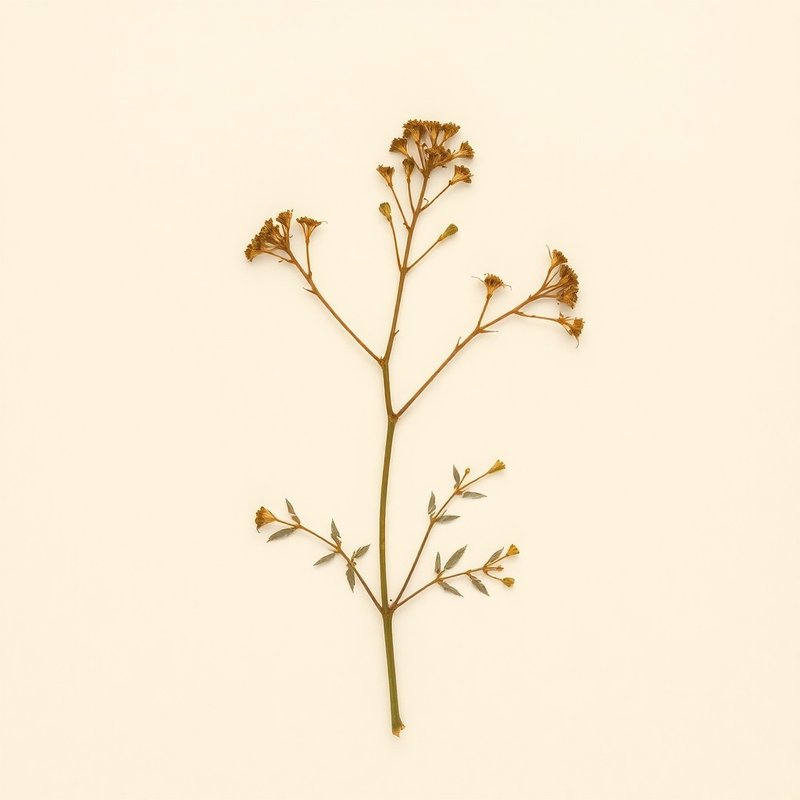
Mountain Crowberry (Empetrum eamesii hermaphroditum) is a small subshrub or shrub native to regions including Alaska, Albania, Alberta, and parts of Europe such as Austria and Belarus. This plant thrives in moist environments with light to medium soil types, including clay, and requires full sun. It can grow up to 0.3 meters tall and is hardy in zones 3-8, making it suitable for temperate regions. The distinctive feature of this plant lies in its edible fruit, which can be used to make tea. Its adaptability to a wide range of pH levels (4.3–7.8) and its ability to grow in various soil types make it a resilient and versatile plant. While primarily known for its ornamental value and edible fruit, Mountain Crowberry is also a ground cover that can be used in landscaping. Its slow growth rate and stoloniferous growth habit make it an excellent choice for creating a dense, low-maintenance ground cover in gardens and natural settings.
What is Mountain Crowberry?
Mountain Crowberry (Empetrum eamesii hermaphroditum) is a small subshrub or shrub native to regions including Alaska, Albania, Alberta, and parts of Europe such as Austria and Belarus. This plant thrives in moist environments with light to medium soil types, including clay, and requires full sun.
VCultivation
Cultivation
How to grow Mountain Crowberry for the first time
Start with a simple, low-maintenance shrub that thrives in various conditions.
- 1
What you'll need
Mountain Crowberry plant or seeds, potting soil, container, watering can.
- 2
Best time to plant
Plant in spring or fall when temperatures are mild.
- 3
Soil and container prep
Use a well-draining potting mix with a pH between 4.3-7.8; ensure the container has drainage holes.
- 4
Sowing or transplanting
Transplant young plants from nursery pots into your garden or container; sow seeds in spring, covering them lightly.
- 5
First two weeks
Water regularly to keep soil moist but not waterlogged; avoid direct sunlight for the first week.
- 6
Ongoing care
Provide full sun and regular watering; prune lightly in late winter to maintain shape.
- 7
Harvest or pruning
Prune in late winter to encourage new growth and remove dead branches; harvest fruit when ripe, usually in summer.
- 8
Common mistakes
Overwatering, planting in full sun, neglecting to prune, using incorrect soil pH.
VIEdible & utility
Edible & utility
VIIDistribution
64 native · 1 introduced
Distribution
64 native · 1 introducedIXSpecimen gallery
1 image
Specimen gallery
1 imageExplore further
About this entry
- Last updated
- Citation
- How to cite this entry · Submit a correction
Continue reading
Get archive updates
Occasional email when substantial new content lands — plant profiles, seasonal growing notes, folk-remedy additions. Free, no tracking, unsubscribe anytime.