
Crowberry
Empetrum nigrum
Educational content — not medical, botanical, or professional advice. Plant identification, safety, and edibility depend on local conditions, cultivars, and correct identification. Consult a qualified botanist or forager before consuming or handling wild specimens. How we source & review →
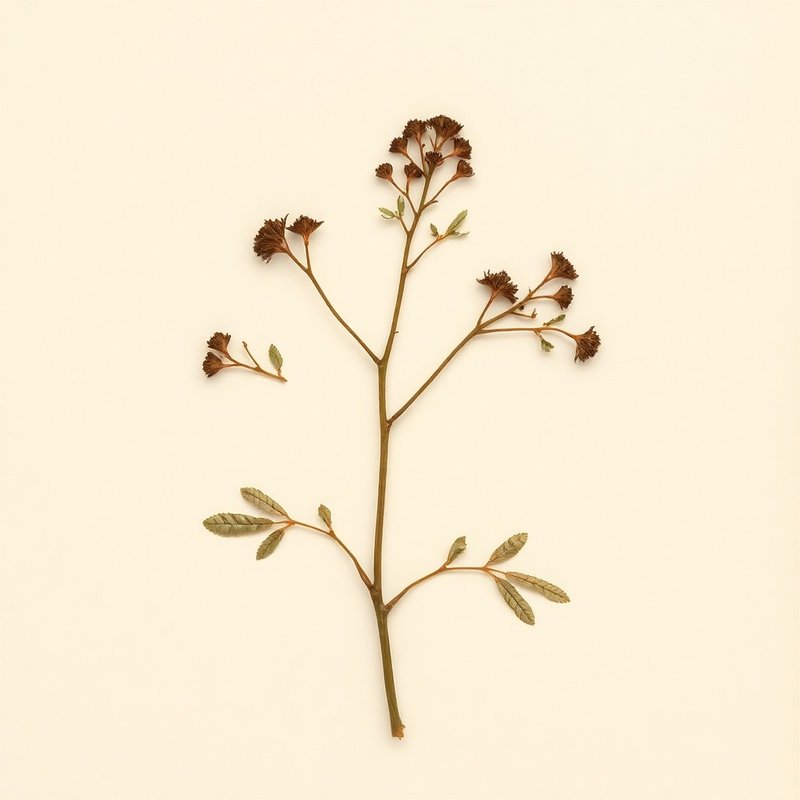
Pl. 8F46 — Empetrum nigrum
Empetrum nigrumEmpetrum nigrumEmpetrum nigrumEmpetrum nigrumEmpetrum nigrumEmpetrum nigrumEmpetrum nigrumEmpetrum nigrumEmpetrum nigrumEmpetrum nigrumEmpetrum nigrumEmpetrum nigrumEmpetrum nigrumEmpetrum nigrum
IOverview
Overview
Crowberry (Empetrum nigrum) is a subshrub or shrub native to the Baltic States, known for its light and moist habitat preferences. This plant reaches a height of 0.3 meters and thrives in various soil types, including light (sandy), medium, and heavy (clay). It has a hardiness range from USDA zones 3-8, making it adaptable to different climates. The fruit of the crowberry is edible, adding a valuable resource for foragers and nature enthusiasts. One distinctive feature of this plant is its ability to grow in a wide pH range, from 4.3 to 7.8, allowing it to flourish in diverse environments.
Quick answers
What is Crowberry?
Crowberry (Empetrum nigrum) is a subshrub or shrub native to the Baltic States, known for its light and moist habitat preferences. This plant reaches a height of 0.3 meters and thrives in various soil types, including light (sandy), medium, and heavy (clay).
Growingconditions · propagation · uses
VCultivation
Cultivation
Crowberry thrives in moist, light (sandy), medium, and heavy (clay) soils with a pH range of 4.3 to 7.8. It is best grown as a subshrub or shrub in partial shade to full sun, with a light requirement of 7/10. Water the plant regularly, ensuring it stays moist. Propagate through seeds or cuttings. Hardy in zones 3-8, this plant can grow up to 0.3 meters tall and is native to the Baltic States. Its edible fruit makes it a valuable addition to any garden.
Light
7/10
Water
Moist
Soil
Light (sandy), Medium, Heavy (clay)
Hardiness
3-8
Habit
Subshrub, Shrub
Mature size
0.3 m tall
Soil pH
4.3–7.8
For first-time growers
How to grow Crowberry for the first time
7steps
Start with a simple planting of Crowberry to gain experience in growing this hardy shrub.
- 1
What you'll need
Crowberry plants or seeds, potting mix suitable for acidic soils, and containers if starting from seed.
- 2
Best time to plant
Plant crowberries in early spring or late fall when the soil is moist but not waterlogged.
- 3
Soil and container prep
Ensure your potting mix has a pH between 4.3 and 7.8, with good drainage for light, medium, or heavy soils.
- 4
Sowing or transplanting
Transplant crowberry seedlings into containers filled with the prepared soil mix, ensuring they are planted at the same depth as in their original pot.
- 5
First two weeks
Keep the soil consistently moist but not soggy. Place them in a partially shaded area to avoid direct sunlight.
- 6
Ongoing care
Water regularly, especially during dry spells, and mulch around the base of plants to retain moisture and suppress weeds.
- 7
Harvest or pruning
Prune lightly after fruiting to maintain shape. Harvest fruits when they turn a deep red color.
VIEdible & utility
Edible & utility
Edible parts:Fruit
Edible uses: Tea
Other uses:DyeGround cover
Contextrange · companions · related
VIIDistribution
30 native · 0 introduced
Distribution
30 native · 0 introducedDistribution across3 continents· 30 native
Europe14 regions
native (14)AlbaniaAustriaBelarusBelgiumBulgariaDenmarkFinlandFranceGermanyIcelandIrelandRussiaSpainUnited Kingdom
Asia1 region
native (1)China
Americas2 regions
native (2)GreenlandUnited States
Broader regions
native:Alberta, British Columbia, New Hampshire, Amur, Czechoslovakia, Føroyar, Baltic States, Aleutian Is., Altay, Buryatiya, California, Chita
IXSpecimen gallery
1 image
Specimen gallery
1 imageXI
Explore further
Companion planting
Growing zone
XII
About this entry
- Last updated
- Citation
- How to cite this entry · Submit a correction
Back to the cataloguePlant id · 8f465307-b926-4085-a4ef-4fab633122fe
Decision aid
Choosing between Crowberry and something else?
Continue reading
❦❦❦❦
Endpaper · archive updates
Get archive updates
Occasional email when substantial new content lands — plant profiles, seasonal growing notes, folk-remedy additions. Free, no tracking, unsubscribe anytime.