
Empetrum rubrum
IOverview
Overview
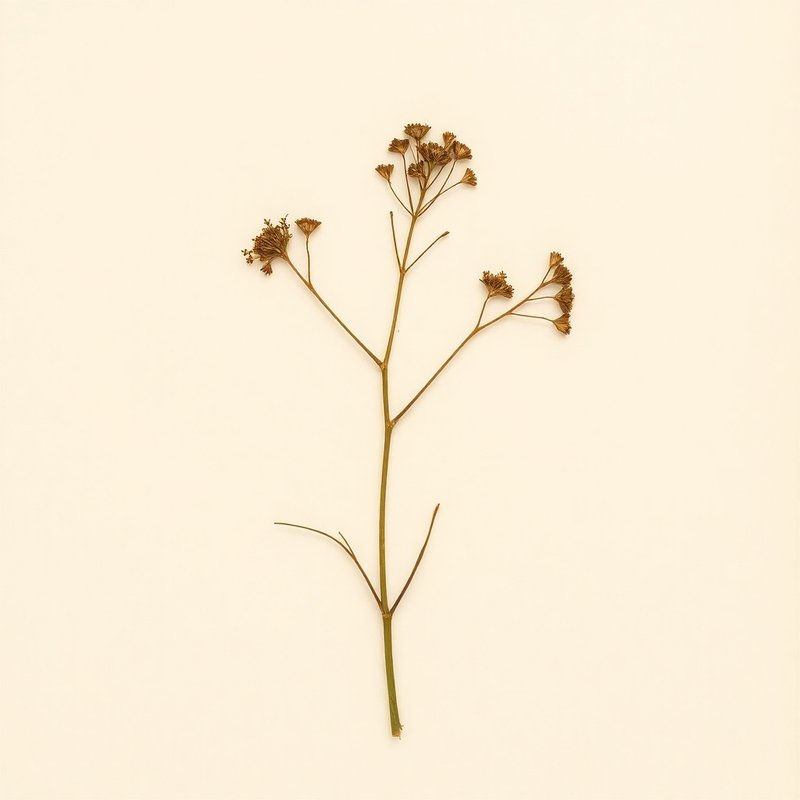
Empetrum rubrum, commonly known as the red bearberry, is a low-growing shrub native to the southern regions of Argentina and Chile, including the Falkland Islands and Tristan da Cunha. This plant thrives in moist environments with light soil types—ranging from sandy to heavy clay—and prefers full sun to partial shade. It is notable for its edible fruit, which can be enjoyed directly or incorporated into various culinary uses. The distinctive feature of Empetrum rubrum lies in its bright red berries and its ability to form dense mats that cover the ground, making it a popular ornamental plant in gardens where its vibrant color adds visual interest. The plant's slow growth and ground-covering nature make it ideal for use as a ground cover in landscaping. While not medicinal, its fruit is a valuable resource, providing a natural sweet treat or ingredient in jams and preserves. Empetrum rubrum's fruit is particularly appreciated for its tart flavor, which can be enhanced through drying or preservation methods.
What is Empetrum rubrum?
Empetrum rubrum, commonly known as the red bearberry, is a low-growing shrub native to the southern regions of Argentina and Chile, including the Falkland Islands and Tristan da Cunha. This plant thrives in moist environments with light soil types—ranging from sandy to heavy clay—and prefers full sun to partial shade.
VCultivation
Cultivation
How to grow Empetrum rubrum for the first time
Start with a simple, low-maintenance approach to growing Empetrum rubrum.
- 1
What you'll need
A small container or garden bed, seeds or young plants.
- 2
Best time to plant
Plant in spring when the soil is moist and warm.
- 3
Soil and container prep
Use well-draining soil with a mix of light (sandy), medium, and heavy (clay) textures.
- 4
Sowing or transplanting
Direct sow seeds in the ground or start young plants indoors before transplanting.
- 5
First two weeks
Water regularly to keep soil moist but not waterlogged. Provide partial sun to full sun exposure.
- 6
Ongoing care
Continue regular watering and ensure the plant gets enough light. Prune lightly if needed.
- 7
Harvest or pruning
Prune in late winter before new growth starts to maintain shape and size.
- 8
Common mistakes
Overwatering, planting in poorly draining soil, not providing enough sunlight.
VIEdible & utility
Edible & utility
VIIDistribution
5 native · 2 introduced
Distribution
5 native · 2 introducedIXSpecimen gallery
1 image
Specimen gallery
1 imageExplore further
About this entry
- Last updated
- Citation
- How to cite this entry · Submit a correction
Continue reading
Get archive updates
Occasional email when substantial new content lands — plant profiles, seasonal growing notes, folk-remedy additions. Free, no tracking, unsubscribe anytime.